Climate Food and Agriculture
Climate + Food and Agriculture
EDITOR’S NOTE
Grist has acquired the archive and brand assets of The Counter, a decorated nonprofit food and agriculture publication that we long admired, but that sadly ceased publishing in May of 2022.
The Counter had hit on a rich vein to report on, and we’re excited to not only ensure the work of the staffers and contractors of that publication is available for posterity, but to build on it. So we’re relaunching The Counter as a food and agriculture vertical within Grist, continuing their smart and provocative reporting on food systems, specifically where it intersects with climate and environmental issues. We’ve also hired two amazing new reporters to make our plan a reality.
Being back on the food and agriculture beat in a big way is critical to Grist’s mission to lead the conversation, highlight climate solutions, and uncover environmental injustices. What we eat and how it’s produced is one of the easiest entry points into the wider climate conversation. And from this point of view, climate change literally transforms into a kitchen table issue.
Featured
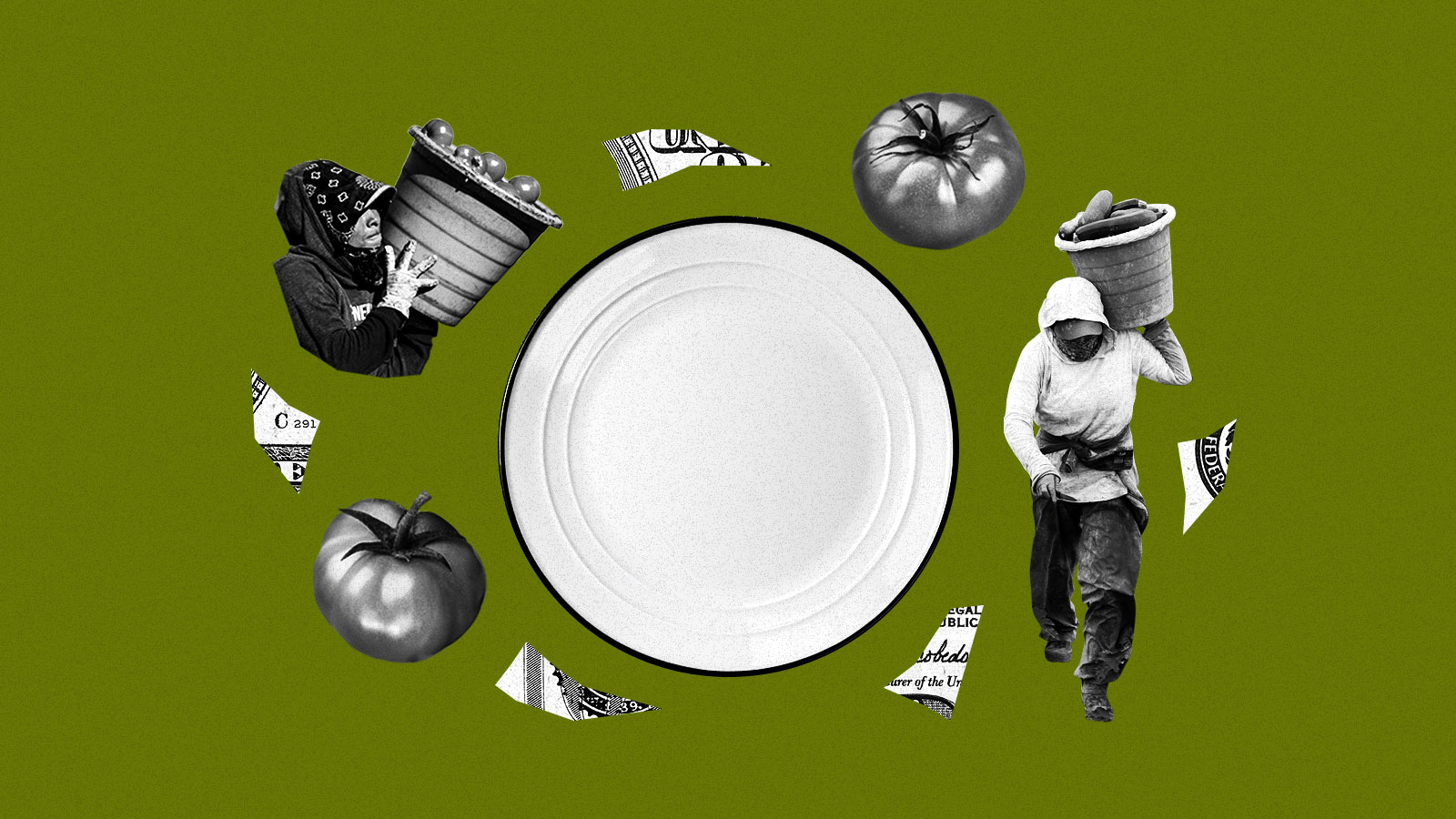
The people who feed America are going hungry
Climate change is escalating a national crisis, leaving farmworkers with empty plates and mounting costs.
Latest Articles
-
![]()
![]()
Purdue’s Gebisa Ejeta on the vexing task of feeding a growing population
Over the next several weeks, I'll be attending the University of Washington's food and environment lecture series and harvesting knowledge from a diverse array of food-system luminaries. Plant breeding expert Gebisa Ejeta of Purdue University opened the series -- and a pot of worms -- by talking up a new petrochemical-dependent "Green Revolution" in Africa and talking down the potential of organic farming in feeding the masses.
-
![]()
![]()
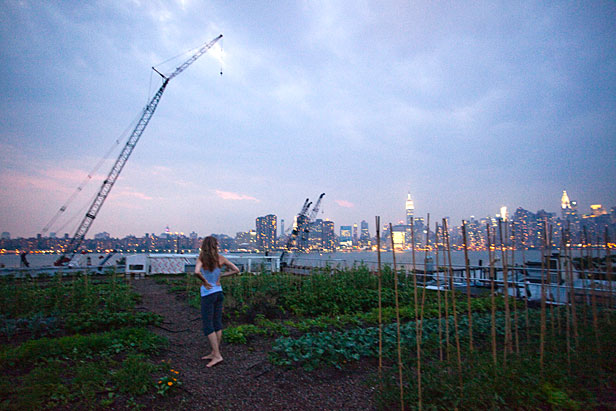
Forbes: By 2018, 'one-fifth of urban food will be grown on rooftops and in former parking lots'
Within a decade, will a huge portion of your food come from around the corner? It sure is pretty to think so.
-
![]()
![]()
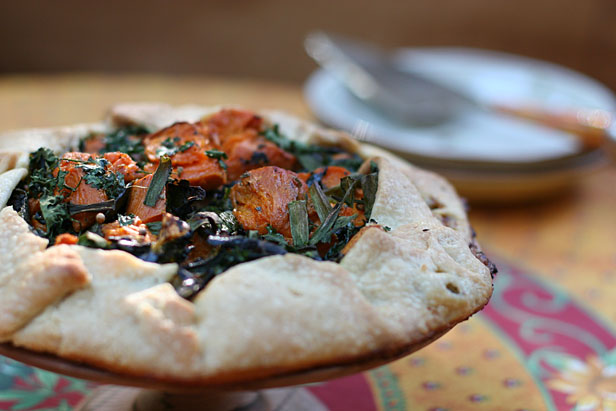
Not your grandma's sweet potato pie
The sweet potato is a very misunderstood vegetable, too often overshadowed in fall by the pumpkin and unfairly compared to the unrelated potato. See how well its sweetness plays against smoky and spicy flavors in this recipe for a free-form tart.
-
Stephen Colbert on the raw-milk raids and our 'right to get dysentery'
What Tea Partiers and hippie-foods Californian co-op members have in common, according to Stephen Colbert.
-
![]()
![]()
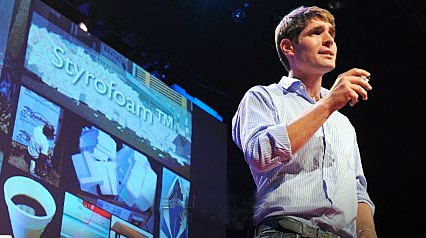
Harnessing mushrooms to replace plastic [VIDEO]
In this TED talk, product designer Eben Bayer describes a low-energy, fully compostable packaging assembled by a fungus from agricultural waste.
-
![]()
![]()
NYC moves to take soda off the food-stamp shopping list
New York City has asked federal permission to ban food stamp purchases of sugar-sweetened drinks. While some fret, it's a move worth making.
-
![]()
![]()
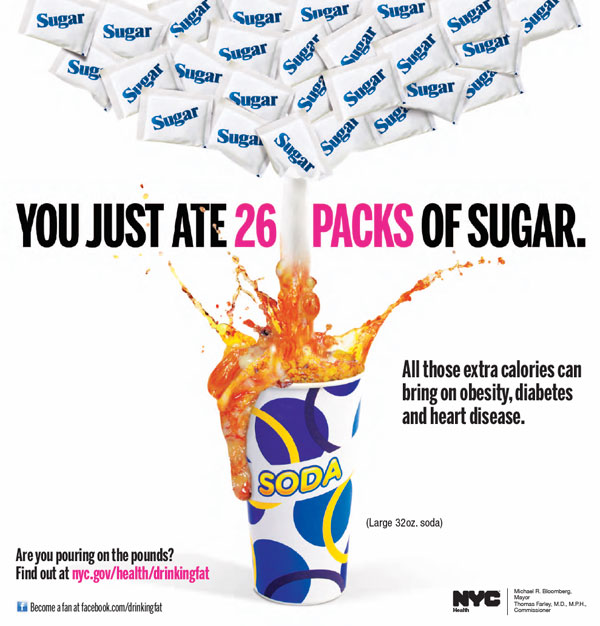
NYC's anti-soda ads hit right in the gut [VIDEO]
New York City's government has declared war on "sugar-sweetened beverages." While Mayor Michael Bloomberg would love to pass a controversial penny-per-ounce soda tax, his government isn't waiting around for the windfall to start discouraging residents from popping open a pop.
-
![]()
![]()
In search of black and Latino farmers in the sustainable food movement
One woman's journey to explore the urban-ag movement, learn to farm, and search for her black roots.
-
![]()
![]()
Life, uncontained: Fighting with weeds, squash — and GMOs
Living things have a habit of not doing what you expect them to. But sometimes plants and animals can go places you aren't intending, and the consequences can be minor ... or catastrophic.
-
![]()
![]()
Wasted food equals wasted energy, new study makes clear
Americans' profligate food-tossing ways waste the energy equivalent of 350 million barrels of oil per year, according to a new study from researchers at the University of Texas. And that figure is probably low, says American Wasteland author Jonathan Bloom.