Climate Food and Agriculture

Climate + Food and Agriculture
EDITOR’S NOTE
Grist has acquired the archive and brand assets of The Counter, a decorated nonprofit food and agriculture publication that we long admired, but that sadly ceased publishing in May of 2022.
The Counter had hit on a rich vein to report on, and we’re excited to not only ensure the work of the staffers and contractors of that publication is available for posterity, but to build on it. So we’re relaunching The Counter as a food and agriculture vertical within Grist, continuing their smart and provocative reporting on food systems, specifically where it intersects with climate and environmental issues. We’ve also hired two amazing new reporters to make our plan a reality.
Being back on the food and agriculture beat in a big way is critical to Grist’s mission to lead the conversation, highlight climate solutions, and uncover environmental injustices. What we eat and how it’s produced is one of the easiest entry points into the wider climate conversation. And from this point of view, climate change literally transforms into a kitchen table issue.
Featured
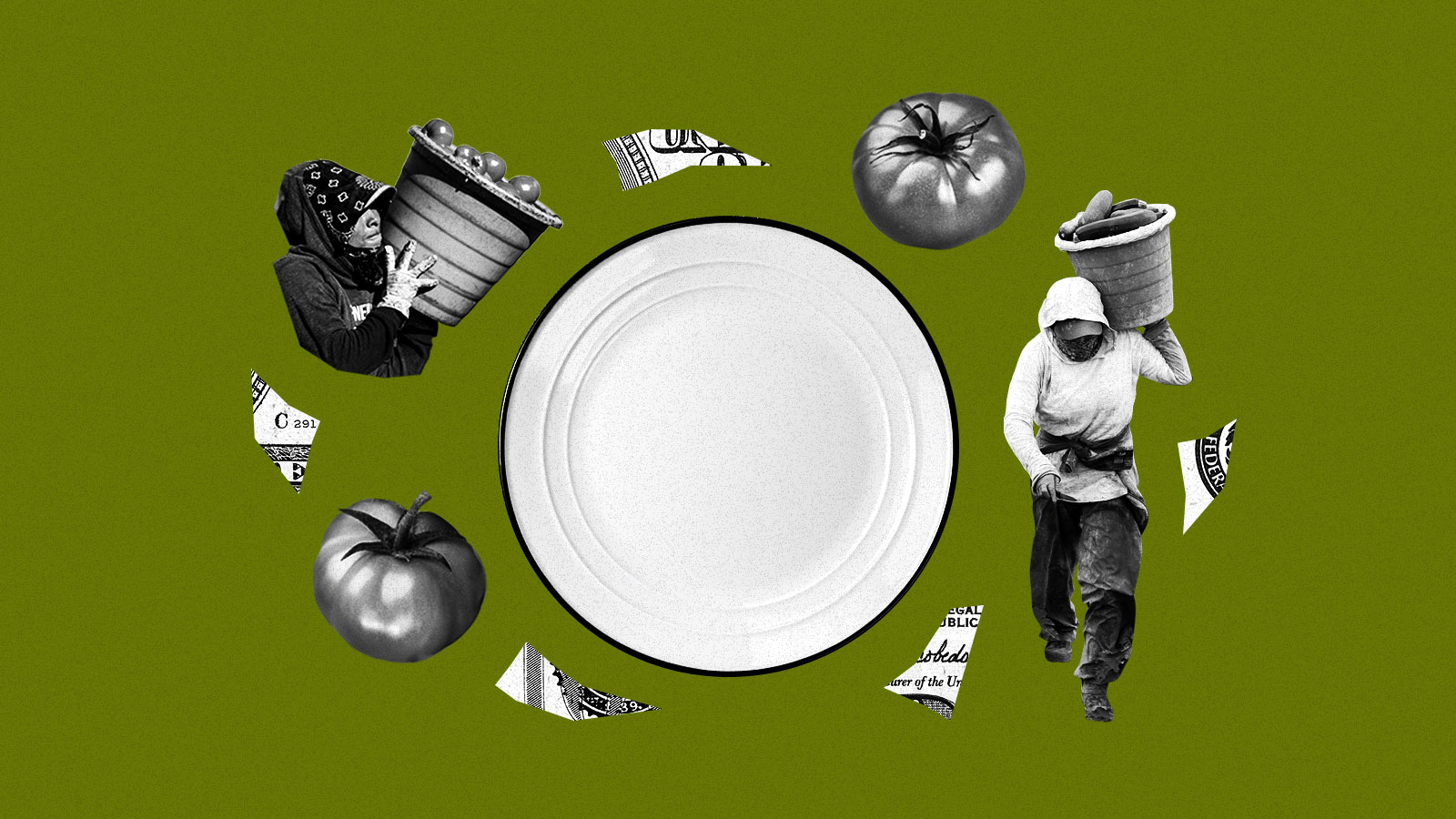
The people who feed America are going hungry
Climate change is escalating a national crisis, leaving farmworkers with empty plates and mounting costs.
Latest Articles
-
![]()
![]()
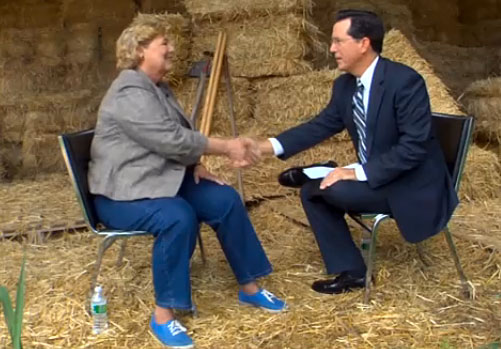
Stephen Colbert takes to the field — and the witness stand — for farm workers
Animal-rights groups have plenty of celebrity spokesmodels, most notably Alicia Silverstone. But labor rights, in particular for immigrant farm workers? Not so sexy. That is, until Stephen Colbert decided to have some fun with it.
-
![]()
![]()
Salmonella-free backyard eggs, coral catastrophe, BPA-go-go, and more
In my latest roundup of interesting food media, I sample eggs you can risk eating raw, the looming coral cataclysm, mega-dairies, and more.
-
![]()
![]()
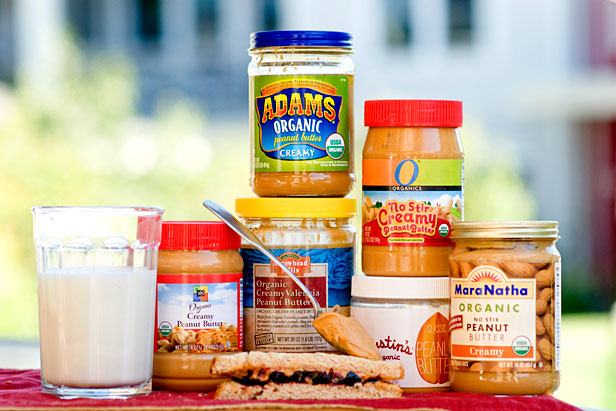
Choosy tasters stick to Skippy-like organic peanut butters
Some of the scary problems with peanut butter can be avoided by buying organic. But do any of them taste as good as the bad stuff? Lou Bendrick assembles a panel to find out. Find out which one will drive your taste buds nuts.
-
Mixed results from the Edible Schoolyard
Elementary school children regularly involved in gardening, cooking and nutrition education are more likely to develop a taste for fresh fruits and vegetables–even leafy greens–and will more eagerly help make fresh meals at home, but those gains come to a screeching halt as kids get older and move into middle school, where they often backslide. Those are […]
-
![]()
![]()
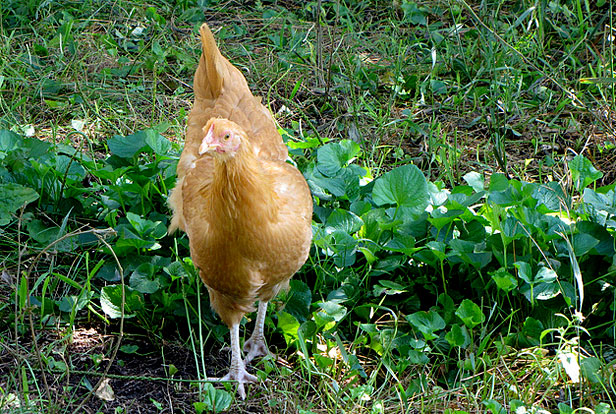
One sick chicken
How far do you go to treat a farm animal? Balancing animal welfare, farm economics, and government means making tough calls.
-
![]()
![]()
High-fructose corn syrup and scientific research: an exchange
On the Atlantic website, James McWilliams chastised me for my past coverage of the health effects of high-fructose corn syrup. Here's my response.
-
![]()
![]()
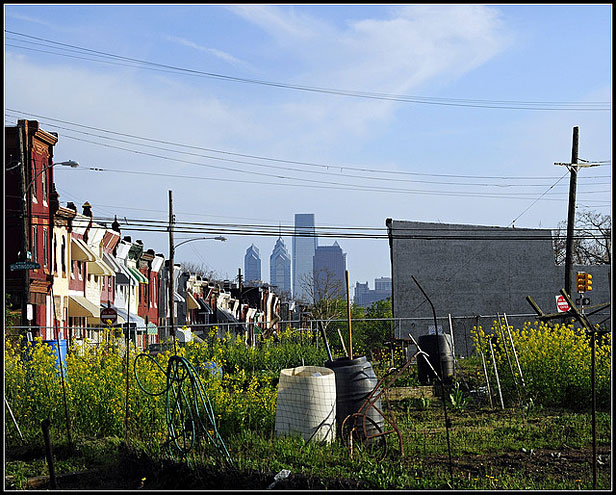
Philadelphia's urban-farming roots go deep — and are spreading wide
Philly's homegrown ag movement isn't just about getting more local produce into farmers markets. It's focused on farming as a source of jobs and skills for city residents as well as a means to provide them affordable, healthy food.
-
![]()
![]()
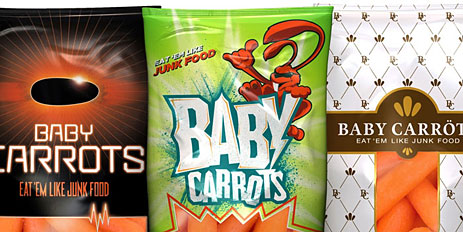
Carrot vending machines a surprise success
As Congress continues to do nothing about school lunch reform, an Ohio and a New York school have installed all-baby-carrot vending machines. And guess what? The kids bought them.
-
![]()
![]()
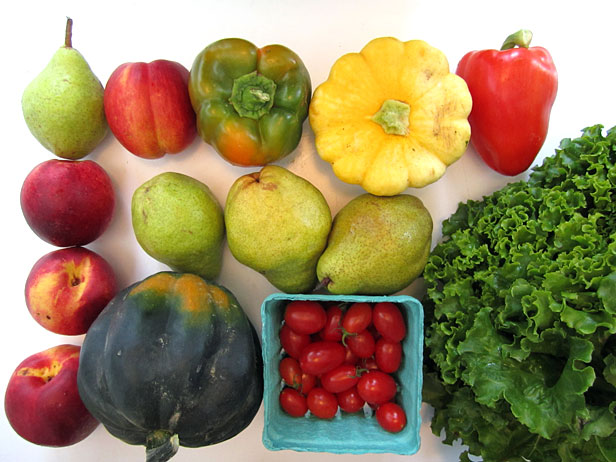
Urbivore’s Dilemma, Week 15: Roasted squash, perfect pears spell summer into fall
The Urbivore got a CSA box full of the tastes of fall, but she has another dilemma. Shying away from factory farm eggs, she's been going for farm-fresh ones. But how does she know these chickens are really "free range"? She decides to find out.
-
![]()
![]()
A new front in the chocolate-milk wars
A Washington Post columnist is worried -- along with the dairy industry -- that kids won't drink milk at all if they can't have chocolate or strawberry. What harm could a few teaspoons of sugar do? Well, a lot -- when they add up to 7 pounds of sugar per kid per year.