Climate Food and Agriculture

Climate + Food and Agriculture
EDITOR’S NOTE
Grist has acquired the archive and brand assets of The Counter, a decorated nonprofit food and agriculture publication that we long admired, but that sadly ceased publishing in May of 2022.
The Counter had hit on a rich vein to report on, and we’re excited to not only ensure the work of the staffers and contractors of that publication is available for posterity, but to build on it. So we’re relaunching The Counter as a food and agriculture vertical within Grist, continuing their smart and provocative reporting on food systems, specifically where it intersects with climate and environmental issues. We’ve also hired two amazing new reporters to make our plan a reality.
Being back on the food and agriculture beat in a big way is critical to Grist’s mission to lead the conversation, highlight climate solutions, and uncover environmental injustices. What we eat and how it’s produced is one of the easiest entry points into the wider climate conversation. And from this point of view, climate change literally transforms into a kitchen table issue.
Featured
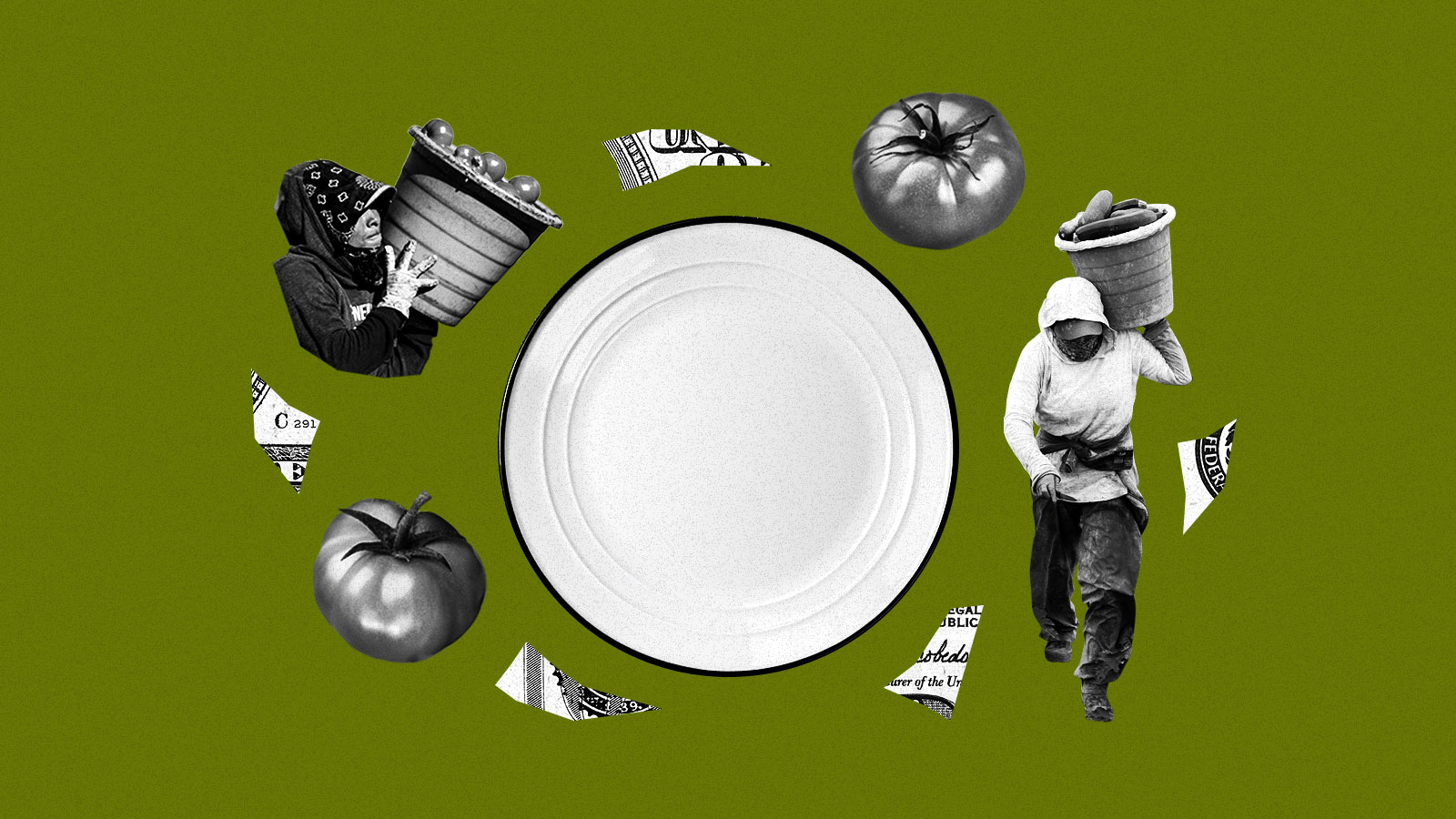
The people who feed America are going hungry
Climate change is escalating a national crisis, leaving farmworkers with empty plates and mounting costs.
Latest Articles
-
![]()
![]()
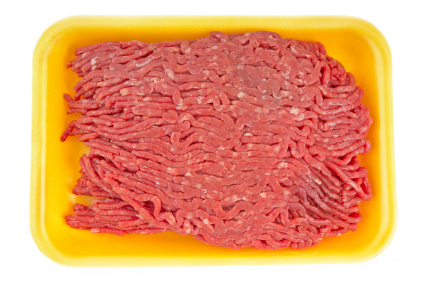
Industrial meat comes with antibiotics and endocrine disruptors
A few years ago, scientists released one of the first studies to examine how diet can affect your exposure to toxic substances. In that case, researchers had a group of Seattle schoolchildren eat an organic diet for five days a week. Almost immediately, pesticide levels in the children’s bodies dropped to almost undetectable levels — […]
-
![]()
![]()
Health risks of potassium bromate maybe not so ‘Fringe’
Fringe mad scientist Walter Bishop goes postal over potassium bromate The sci-fi TV show Fringe had a surreally satisfying sequence in the May 6 episode, available on Hulu.com, in which supposedly mad scientist Walter Bishop goes food shopping. Walter, who in the series spends a lot of time in alternate universes, is holding a box […]
-
![]()
![]()
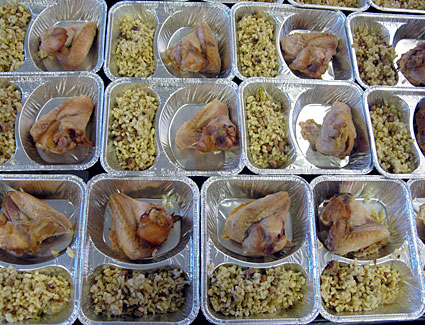
No more nuggets: Berkeley schools serve Epic Chicken
In this second, multi-post set of his Cafeteria Confidential series, Ed Bruske reports on his recent week-long, firsthand look at how Berkeley, Calif., schools part ways from the typical school diet of frozen, industrially processed convenience foods. Cross-posted from The Slow Cook. And check out the rest of the Cafeteria Confidential series. My instructions, simple […]
-
![]()
![]()
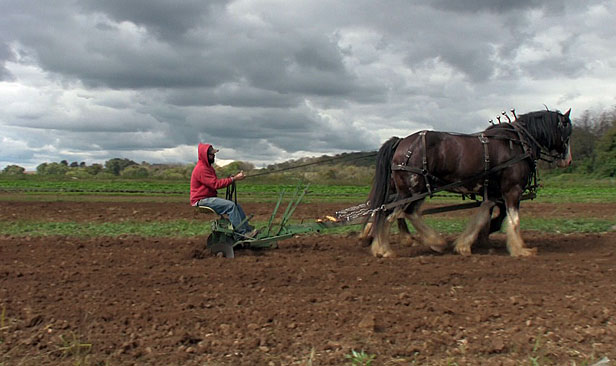
New Jersey horse farmers fueled by hay, not oil
Steed for the tillerman: New Jersey farmer Tom Paduano at work(Photos by Jared Flesher) For the past year, I’ve been following around farmers in New Jersey with a video camera. For the most part, they are young, broke, landless, and optimistic. “I’ve hit the jackpot. I’m getting rich. I’m farming,” deadpanned Aubrey Yarbrough, age 28, […]
-
Oil spill may fatally wound Gulf fishing industry
Among the more than 600 animal species at risk from the massive oil spill in the Gulf are their bipedal predators. May usually marks the start of the Gulf fishing season, Capt. Kip Marquize tells the Natural Resources Defense Council in this video, but he and other Louisiana fishers are cooling their heels on the […]
-
![]()
![]()
CJR puts Philpott in the hot seat
(Bart Nagel Photography)Grist Food Editor and indefatigable reporter Tom Philpott recently spent some quality time on the other side of the tape recorder, for an in-depth Columbia Journalism Review interview about class and the U.S. food system. In the piece, titled “Food Fighter,” Philpott fields the de rigeur “is organic too expensive” question with aplomb […]
-
![]()
![]()
Chemical dispersants being used in Gulf clean-up are potentially toxic
Coast Guard workers spray Corexit in a 2007 Berkeley, California, cleanup. It is not yet being used on Gulf of Mexico beaches. (U.S. Coast Guard photo)We finally know the main two dispersants that BP and the U.S. government are using to treat the ongoing Gulf spill. Both, by their maker’s own admission, have the “potential […]
-
![]()
![]()
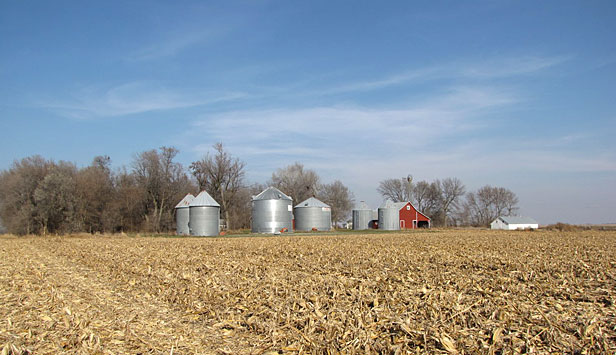
A farm by any other name
Our new farmhouse and outbuildings.Photos: Steph Larsen In Green Acreage, Steph Larsen chronicles the sprouting of a small but sustainable Nebraska property. ——————————— Last December, I bought the farm. Clearly I mean this in the literal, not euphemistic, sense. (Although I’ve spent some time pondering why the phrase “bought the farm” means “to die,” but […]
-
![]()
![]()
Under the wrong conditions, oil spills are forever
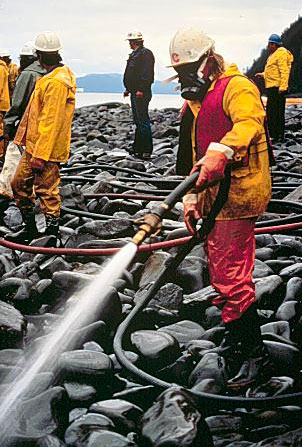
The massive clean-up efforts for the 1989 Exxon Valdez disaster in Prince William Sound. (Photo courtesy of the Exxon Valdez Oil Spill Trustee Council) “A senior BP executive conceded Tuesday that the ruptured oil well in the Gulf of Mexico could conceivably spill as much as 60,000 barrels a day of oil, more than 10 […]
-
![]()
![]()
NYT’s superweeds coverage is welcome but myopic
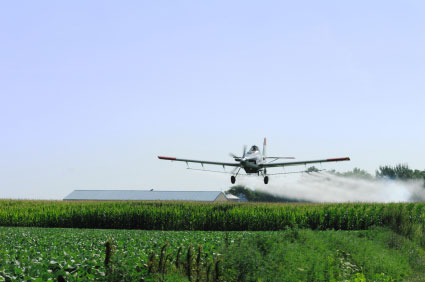
iStockphoto It’s a happy day when the New York Times treads some of Grist’s well-worn paths. This time, it’s about how overuse of Monsanto’s Roundup herbicide has given rise to “superweeds” and an exhausting chemical treadmill: Just as the heavy use of antibiotics contributed to the rise of drug-resistant supergerms, American farmers’ near-ubiquitous use of […]