Climate Food and Agriculture
Climate + Food and Agriculture
EDITOR’S NOTE
Grist has acquired the archive and brand assets of The Counter, a decorated nonprofit food and agriculture publication that we long admired, but that sadly ceased publishing in May of 2022.
The Counter had hit on a rich vein to report on, and we’re excited to not only ensure the work of the staffers and contractors of that publication is available for posterity, but to build on it. So we’re relaunching The Counter as a food and agriculture vertical within Grist, continuing their smart and provocative reporting on food systems, specifically where it intersects with climate and environmental issues. We’ve also hired two amazing new reporters to make our plan a reality.
Being back on the food and agriculture beat in a big way is critical to Grist’s mission to lead the conversation, highlight climate solutions, and uncover environmental injustices. What we eat and how it’s produced is one of the easiest entry points into the wider climate conversation. And from this point of view, climate change literally transforms into a kitchen table issue.
Featured
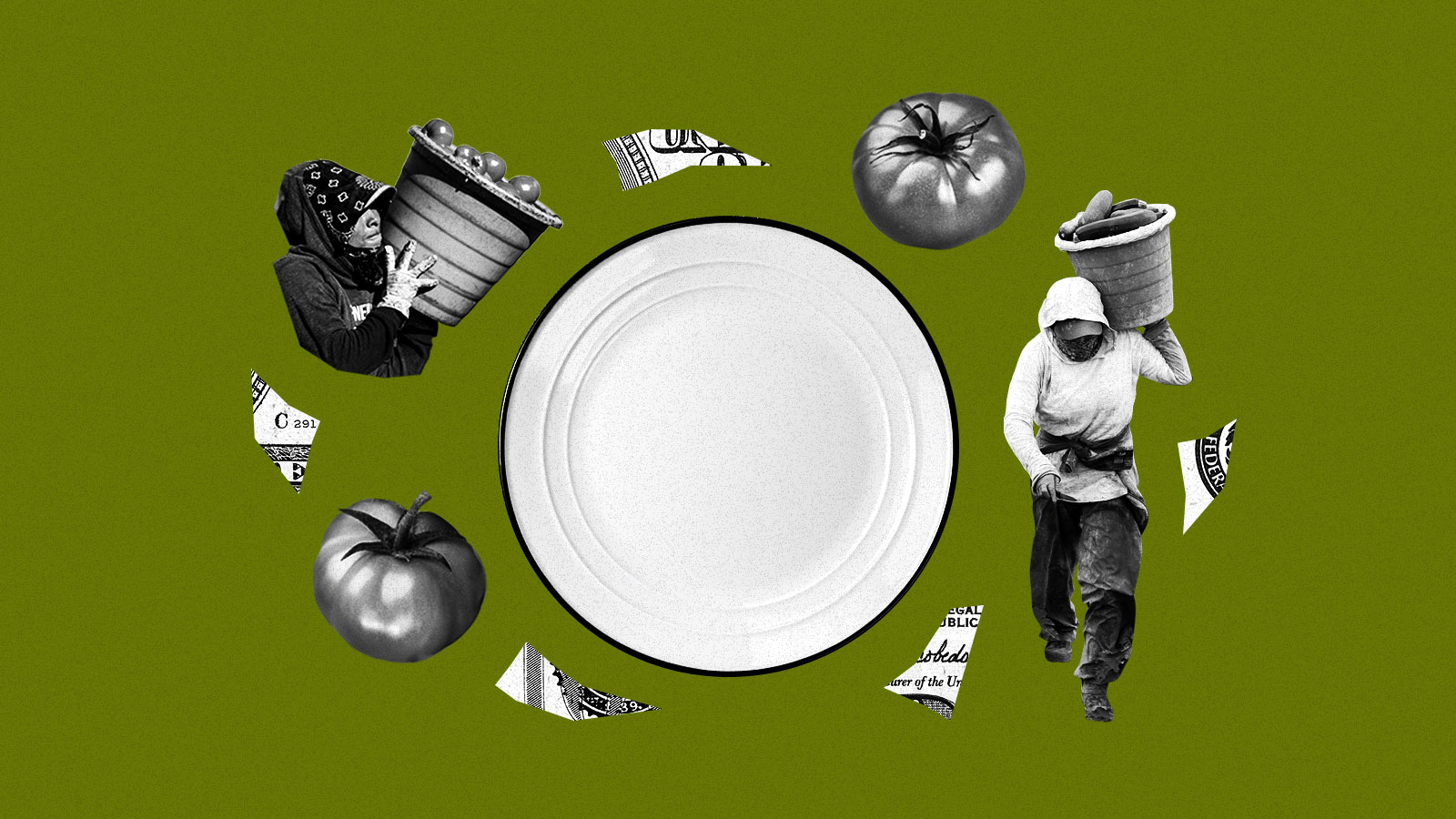
The people who feed America are going hungry
Climate change is escalating a national crisis, leaving farmworkers with empty plates and mounting costs.
Latest Articles
-
-
Demand for food, wood, biofuels driving tropical deforestation, report says
Demand for food, wood, and biofuels will likely contribute to massive deforestation in developing countries around the world by 2030, according to a new report. The Rights and Resources Initiative estimates that if current agricultural land productivity doesn’t increase substantially, by 2030 about 1.2 billion additional acres of land will be needed to meet the […]
-
The toll of agriculture and hundred-year rains on Wisconsin’s farmland
We are, for better or worse, part of the land we live on. We can choose to extract as much as possible from the earth around us, the "Manifest Destiny" (or nature's in my way) line of thinking. Or we can take as little as necessary and leave as small a trace as possible, the "Seventh Generation" concept of the Native American peoples. If farming well were easy and profitable, everyone would be doing it. Farming is never easy, no matter how you go about it, but at least when we farm with nature it's not a 24/7 battle.
-
EPA cracks down on the pesticides on your peppers
The U.S. EPA plans to tighten restrictions on five nasty soil fumigants that keep pests away from strawberries, tomatoes, potatoes, carrots, and peppers. The proposed mitigation measures include buffer zones, warning signs, air-quality monitoring, management and outreach plans, emergency-response training, and provision of breathing masks for farmworkers. The rules would apply to five scary-sounding ‘cides: […]
-
Drought grips Iraq, threatening crops and water supplies
On top of Iraq’s myriad other problems, drought has hit the country hard recently, impacting crops and water supplies in many regions. Rainfall this winter was about 40 percent lower than usual in Iraq and Turkey, and as a result, the Tigris River near Baghdad is at its lowest level since 2001. In the country’s […]
-
USDA pessimistic on hunger outlook
In 2006, the U.S. Department of Agriculture calculated that 849 million people across the globe were “food-insecure” — consuming less than 2,100 calories a day, or, in a word, hungry. But in its 2006 Food Security Report, the agency took an optimistic view of the situation, suggesting that the number of malnourished would fall to […]
-
Conservation land in flood zone opened to grazing
Livestock grazing will be allowed on thousands of acres of Midwest land that had been set aside for conservation, Department of Agriculture Secretary Ed Schaeffer announced this week. Under the federal Conservation Reserve Program, landowners are paid to let their acreage just chill out and be wildlife habitat. But after the region’s recent spate of […]
-
Atlantic Salmon restoration efforts face grim realities
Stocks of wild salmon in the North Pacific are in trouble. That's news.
What isn't news is that the spring has passed us by in Massachusetts again without returning more than a handful of wild Atlantic Salmon. The river closest to me, the Connecticut, saw just 132 salmon return, nearly all of which were captured at either of two dams and whisked away by biologists working for the Connecticut River Atlantic Salmon Restoration program. The fish are bred at hatcheries so next spring the young can be released back into the river, hopefully to grow, go to sea, and return (others were tagged and released upstream of the dams to breed naturally this fall). But is it worth the effort?
-
The unshelled story on the nutty side of our food supply
This post marks the launch of our new food-advice column Checkout Line, by talented, funny, and food-obsessed Lou Bendrick. Ever get confused in the supermarket, wondering which “all-natural” label is legit? Ever wonder what you’d actually say to a farmer at a farmers market, or whether organic is better than local, or how you can […]
-
Economist says biofuels have pushed up global food prices by 75 percent
The “Republican war on science” has evidently opened a new front: economics, a discipline often fetishized by the right. In a startling article published July 4, the Guardian reports that in a "secret" study, a World Bank senior economist concluded that the recent explosion in biofuels use has driven global food prices up by 75 […]
