Climate Food and Agriculture

Climate + Food and Agriculture
EDITOR’S NOTE
Grist has acquired the archive and brand assets of The Counter, a decorated nonprofit food and agriculture publication that we long admired, but that sadly ceased publishing in May of 2022.
The Counter had hit on a rich vein to report on, and we’re excited to not only ensure the work of the staffers and contractors of that publication is available for posterity, but to build on it. So we’re relaunching The Counter as a food and agriculture vertical within Grist, continuing their smart and provocative reporting on food systems, specifically where it intersects with climate and environmental issues. We’ve also hired two amazing new reporters to make our plan a reality.
Being back on the food and agriculture beat in a big way is critical to Grist’s mission to lead the conversation, highlight climate solutions, and uncover environmental injustices. What we eat and how it’s produced is one of the easiest entry points into the wider climate conversation. And from this point of view, climate change literally transforms into a kitchen table issue.
Featured
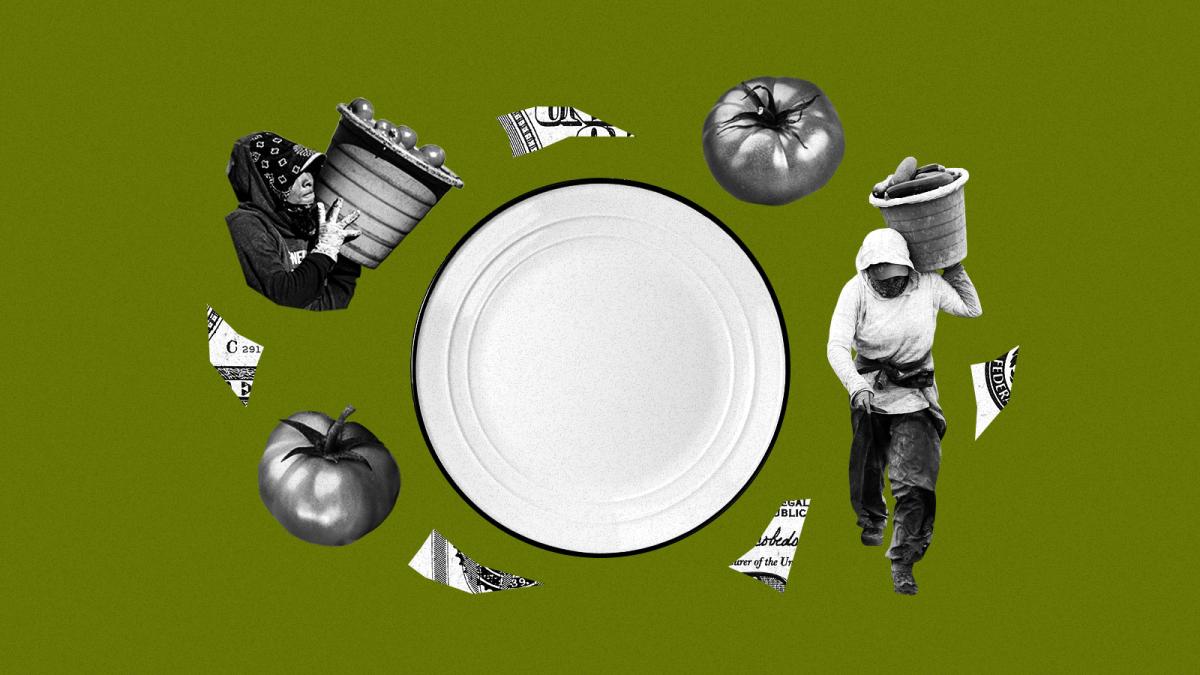

The people who feed America are going hungry
Climate change is escalating a national crisis, leaving farmworkers with empty plates and mounting costs.
Latest Articles
-
Beware of U.S. trade officials bearing gifts
U.S. Trade Representative Susan Schwab made headlines this week by offering to reduce U.S. farm subsidies. The context was the so-called Doha Round of trade talks — the WTO’s latest, oft-stalled effort to grease the wheels of global trade. Among sustainable-food advocates, there’s a reflexive tendency to cheer whenever farm subsidies go on the chopping […]
-
EPA to ban pesticide carbofuran from food in U.S.
In an unexpected move, the U.S. EPA announced Thursday that it will act to ban the pesticide carbofuran from food in the United States before next year’s growing season. The EPA said the pesticide can cause “nausea, dizziness, confusion, and — at very high exposures — respiratory paralysis and death”; the pesticide has also killed […]
-
Declaring an ’emergency,’ EPA allows a restricted pesticide in Florida
If you love starfruit, you may want to consider giving your habit a rest for a while. A friend emailed me this bit from [PDF] from Wednesday’s Federal Register. Declaring an “emergency,” the EPA has established a “time-limited tolerance” for residues of fludioxonil, a pesticide, on starfruit. According to the EPA, Florida starfruit is being […]
-
The paper of record identifies — sort of — a new trend
New York Times food reporter Kim Severson has declared a new trend: “lazy locavores,” people who want to “eat close to home” but are too time-strapped (or lazy) to put much effort into it. According to Severson, “a new breed of business owner” has arisen to cater to their whims. She opens her piece with […]
-
How to ask hard questions of the people who grow your food
In Checkout Line, Lou Bendrick cooks up answers to reader questions about how to green their food choices and other diet-related quandaries. What to do when it’s not so spelled out for you? Photo: Jennifer Dickert Dear Checkout Line, Any suggestions on how to ask local farmers (or the person selling the goods at […]
-
No government disaster assistance for alternative farmers in Iowa
In "Dispatches From the Fields," Ariane Lotti and Stephanie Ogburn, who are working on small farms in Iowa and Colorado this season, share their thoughts on producing real food in the midst of America's agro-industrial landscape.
-----
Now that Iowa has started to dry out from record flooding, farmers are looking to their fields and feeling the uncertainty of this year's crop. For conventional commodity crop farmers, that feeling is fleeting; they can breathe a sigh of relief knowing that government-backed crop insurance and disaster assistance programs [PDF] will cover their losses. For Iowa's alternative farmers, government-backed crop insurance is a pipe dream that requires them to be innovative in their risk management strategies.
-
WaPo’s misguided call to scale back the Conservation Reserve Program
Back in April, it already seemed obvious: Spooked by skyrocketing prices for corn, soy, and wheat, policymakers would push to put as much land as possible in the Midwest under the plow, environmental consequences be damned. One of the first policy levers, I figured, would involve gutting the Conservation Reserve Program. The CRP is a […]
-
Judge says Calif. salmon in trouble but offers no short-term solution
The dams and aqueducts that shuttle water from California’s Sacramento River Delta to the rest of the state will “appreciably increase jeopardy” to salmon and steelhead in the coming months, U.S. District Judge Oliver Wanger said Friday. But while Wanger agreed with environmentalists that “the three salmonid species are not viable and are all in […]
-
Sick of algae-polluted water, Florida groups sue EPA
A flock of Florida green groups has sued the U.S. EPA, seeking state and national water-pollution standards for fertilizer runoff from factory farms. Nitrogen and phosphorus flow from agricultural operations into many Florida waterways (among other places), triggering algae blooms which suck oxygen from the water and kill off marine life. Exposure to the algae, […]
-
Ugandan coffee endangered by climate change
Uganda’s coffee industry could be basically kaput in 30 years, according to a new Oxfam report. Uganda is Africa’s second-largest coffee exporter after Ethiopia, but the report direly predicts that if “average global temperatures rise by two degrees or more, then most of Uganda is likely to cease to be suitable for coffee.” In the […]
