Climate Food and Agriculture

Climate + Food and Agriculture
EDITOR’S NOTE
Grist has acquired the archive and brand assets of The Counter, a decorated nonprofit food and agriculture publication that we long admired, but that sadly ceased publishing in May of 2022.
The Counter had hit on a rich vein to report on, and we’re excited to not only ensure the work of the staffers and contractors of that publication is available for posterity, but to build on it. So we’re relaunching The Counter as a food and agriculture vertical within Grist, continuing their smart and provocative reporting on food systems, specifically where it intersects with climate and environmental issues. We’ve also hired two amazing new reporters to make our plan a reality.
Being back on the food and agriculture beat in a big way is critical to Grist’s mission to lead the conversation, highlight climate solutions, and uncover environmental injustices. What we eat and how it’s produced is one of the easiest entry points into the wider climate conversation. And from this point of view, climate change literally transforms into a kitchen table issue.
Featured
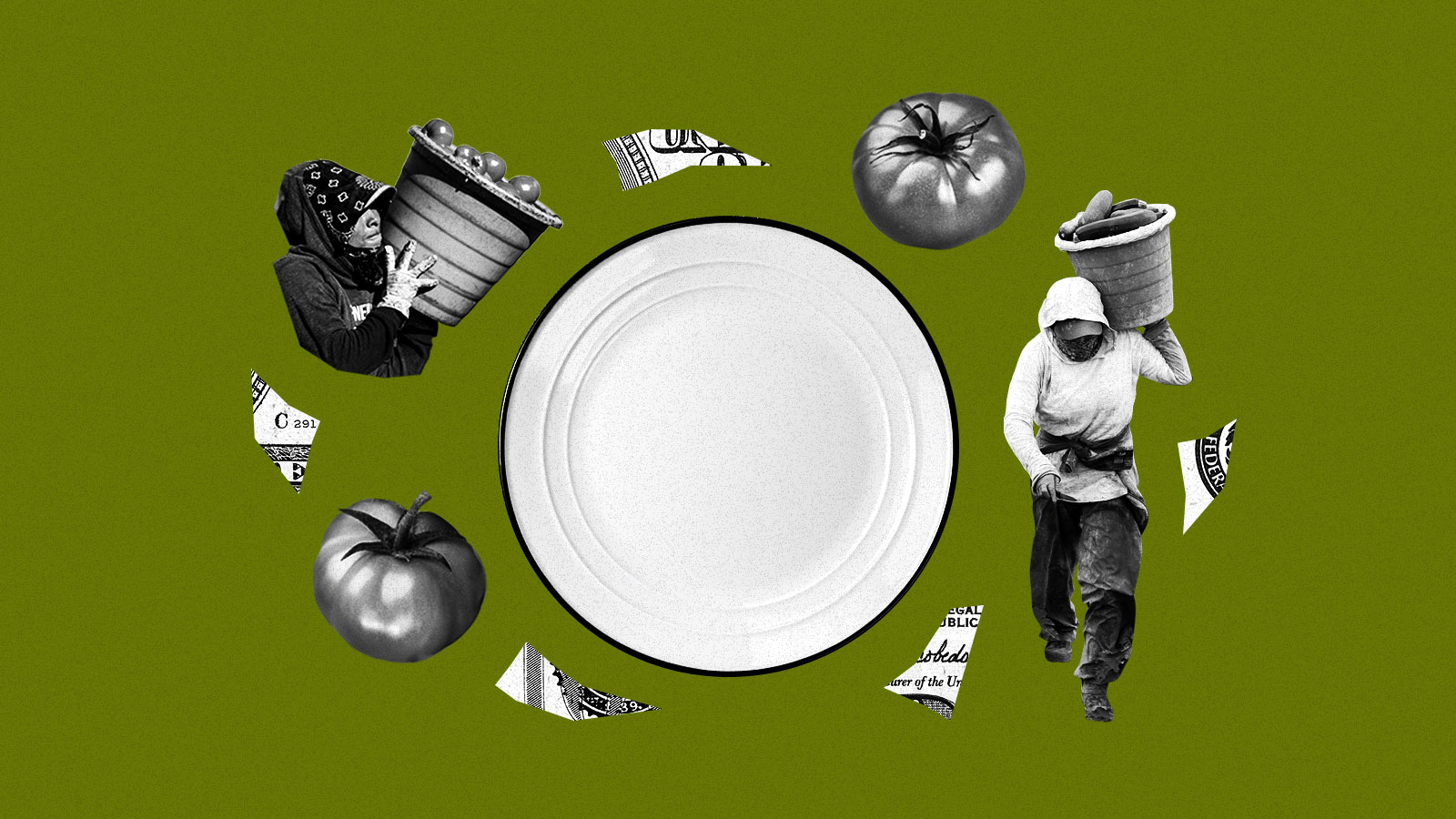
The people who feed America are going hungry
Climate change is escalating a national crisis, leaving farmworkers with empty plates and mounting costs.
Latest Articles
-
The E. coli outbreak’s continuing negative effect on wildlife
Farming is often seen as in conflict with wildlife, but it needn't be. The Wild Farm Alliance is a grassroots group that's trying to chart a new direction. They don't just talk about how agriculture can coexist with cougars and wolves, though. It's also about the little guys -- the birds and rodents that live in the wild margins between fields.
That's why the USDA's proposed Leafy Green Marketing Agreement (a national version of the California program of the same name, which came about after last year's E. coli outbreak) has them riled, and rightly so.
-
The ethanol boom could trigger a ‘tipping point’ in the Gulf
Days after Congress voted to ramp up the government mandate for corn ethanol, bringing it to fully three times current production levels within a decade, we get bracing news from the Gulf of Mexico. Here is the AP: The nation’s corn crop is fertilized with millions of pounds of nitrogen-based fertilizer. And when that nitrogen […]
-
China drafting rules for humane slaughter of livestock
Under pressure from international animal-rights advocates and food-safety organizations, China has announced it’s drafting rules for the “humane” treatment and slaughter of livestock. The proposal recommends stunning animals before slaughter, ensuring as little time as possible passes between stunning and killing, making sure unloading platforms are at heights where pigs won’t injure themselves when offloading, […]
-
Why bees and pigs are not machines
In yesterday's New York Times Magazine, Michael Pollan writes, "Two stories in the news this year, stories that on their faces would seem to have nothing to do with each other let alone with agriculture, may point to an imminent breakdown in the way we're growing food today."
Can you guess what they are?
Answer here.
-
An unbiased, factual report on biofuels: How rare is that?
The Worldwatch Institute has produced an interesting summary of what's happening in the world of grain supplies.
They also just published a book called Biofuels for Transport. Along with all of the positive potential for biofuels, I'm sure it also discusses the "potential" problems with "first generation" biofuels.
These are some of the latest buzzwords being used to support industrial agrofuels. The word "potential" suggests that there are not yet any actual problems. The words "first generation" suggest that all of these "potential" problems will fail to materialize thanks to the timely arrival of "second generation" fuels.
The reality, of course, is that these fuels (i.e., industrially grown food monocrops) are already wreaking all kinds of havoc and are likely to remain the only commercially viable biofuels for the foreseeable future (i.e., forever).
-
Wild salmon and coral both in trouble, say studies
Infestations of sea lice (ew) in salmon farms off the west coast of Canada are threatening local wild salmon populations — to the extent that the wild fish could be extinct within four years, says a new study published in Science. While the researchers focused on fish populations off the coast of British Columbia, they […]
-
Cruelty to hogs, and wretched meatpacking conditions
As the Senate debates the farm bill, which contains an entire title that would limit the power of the industrial-meat giants, you might think the industry would be on its best behavior, trying to act mellow while its lobbyists sort things out on the Hill. And yet the industry is currently churning out outrages as […]
-
And other revelations from the latest big-media expose of local food
About a year ago, The Economist ran a big article purporting to show that eating locally is actually worse for the environment than typical supermarket fare. I debunked the article here. About six months later, the NYT op-ed page ran a piece making similar arguments. And I responded again. In both of these pieces, the […]
-
More on feedlots and distillers grains
Last week, I wrote about how feeding cows waste from the ethanol process, known as distillers grains, seems to increase incidence of the deadly pathogen E. coli 0157:H7. I added that — coincidentally or not — a recent spike in recalls of E. coli 0157:H7-tainted hamburger meat has coincided with a surge in distillers grains […]
-
U.S. government wants to boost fish-farming industry
Eighty percent of American fish dishes are imported, and the federal government is eager to get the U.S. seafood market on equal footing (finning?) by kicking off industrial-scale fish farming in the Gulf of Mexico. Under regulations to be considered next month, fish born in laboratories would be transported to gigantic underwater cages capable of […]
