Climate Food and Agriculture

Climate + Food and Agriculture
EDITOR’S NOTE
Grist has acquired the archive and brand assets of The Counter, a decorated nonprofit food and agriculture publication that we long admired, but that sadly ceased publishing in May of 2022.
The Counter had hit on a rich vein to report on, and we’re excited to not only ensure the work of the staffers and contractors of that publication is available for posterity, but to build on it. So we’re relaunching The Counter as a food and agriculture vertical within Grist, continuing their smart and provocative reporting on food systems, specifically where it intersects with climate and environmental issues. We’ve also hired two amazing new reporters to make our plan a reality.
Being back on the food and agriculture beat in a big way is critical to Grist’s mission to lead the conversation, highlight climate solutions, and uncover environmental injustices. What we eat and how it’s produced is one of the easiest entry points into the wider climate conversation. And from this point of view, climate change literally transforms into a kitchen table issue.
Featured
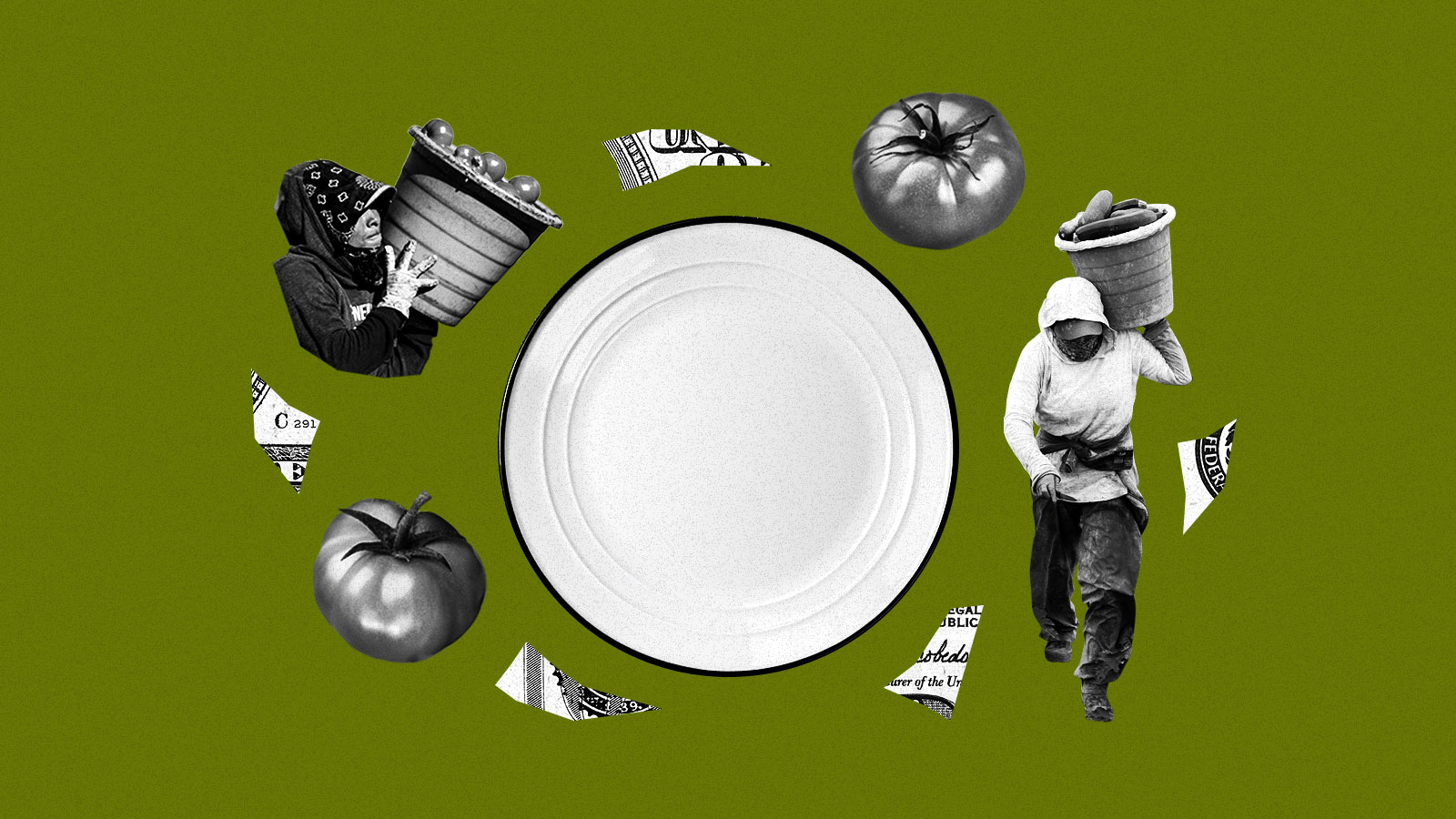
The people who feed America are going hungry
Climate change is escalating a national crisis, leaving farmworkers with empty plates and mounting costs.
Latest Articles
-
Grass Backwards
Carbon dioxide contributing to un-grassing of grassland, says new study Thanks in part to rising levels of carbon dioxide, the world’s grasslands are turning into woody shrublands, says a new study by the U.S. Department of Agriculture. When researchers artificially doubled CO2 levels over sections of the Colorado plains, they observed a fortyfold increase in […]
-
Umbra on singles and CSAs
Hi Umbra! I’ve held back from joining a CSA because 1) I live alone and am worried about wasting food, and 2) I’m worried I’ll get so much oddball stuff, especially in the winter, that I won’t know what to do with it. I figure I can overcome No. 1 by seeking out some sufficiently […]
-
Radiation breeding of plants is way better than it sounds
Think two wrongs don’t make a right? Meet radiation breeding, a method of modifying crops by zapping them with gamma rays. While “radiation” and “modify” are unpleasant words to many, “I’m not doing anything different from what nature does. I’m not using anything that was not in the genetic material itself,” says plant breeder Pierre […]
-
Urban agriculture does more than provide healthy food for those who need it
Phoebe Connelly and Chelsea Ross have a detailed and incredibly heartening story on urban agriculture in In These Times. It focuses on urban ag projects that target inner city "food deserts," where liquor stores outnumber groceries 20-to-1 and the most easily available food is fried. It’s not just about food, though: “We are what most […]
-
A small grocery chain uses food mileage as an advertising tactic
Roth's, a tiny (11 store) grocery chain in Oregon's mid-Willamette Valley, is promoting a "Go Local" campaign that's interesting in many respects, including its "Support our Northwest food system" slogan and ads:
- "Go Local" products are grown, caught, or produced in Oregon, Washington, Idaho, or Northern California.
- Look for the "Go Local" icon on products in your weekly Roth's ad. Buying these products will help build a regional food economy, ensuring farms in our community [sic] and protecting our food security for years to come.
- Where does your food come from? If it's a "Go Local" product from Roth's, then it comes from right here in the Northwest. If you think about the average distance food has to travel from farm to plate (around 1,500 miles), and think about how it got there (fossil fuels), you might be left wondering about the negative impact it will have on the environment. "Go Local" products are produced locally which in turn helps the environment and helps to support our local food system.
Perhaps even more interesting is that it gives the number of miles the featured foods traveled to reach the Roth's stores in Salem. A few items of note:
-
Haiku Times on community gardens (with gorgeous photos)
There is a really nice issue of Haiku Times devoted to community gardens. The haikus are variously lovely, funny, and insightful, and the photos are absolutely beautiful.
-
![]()
![]()
On summer’s end and salad dressing
It’s mid-August and the Pioneer Valley of western Massachusetts is filled with crops that are making their final push to ripeness and fruition. On a warm day, the air feels like it is practically vibrating with all that energy. As I drive to the Hampshire College campus for the annual Northeast Organic Farmers’ Association conference, […]
-
The vexed question of exactly how far our food travels.
Update [2007-8-24 9:4:33 by Tom Philpott]: Now this is really getting vexed. As Gristmill blogger JMG comments below, the Department of Energy did not exist in 1969. (Jimmy Carter started it in ’77.) Hmmm. Rich Pirog of the Leopold Center, mentioned below the fold, emailed me with his source on the 1969 study: a paper […]
-
Umbra on community-supported agriculture
Umbra, Please illuminate CSAs for us, how they work, and how your readers can join one. Thanks! (And by the way, that photo of a peach in your recent column is an apricot.) Bobbe Santa Fe, N.M. Dearest Bobbe, Alas for stone-fruit misidentification. Hopefully corrected by the time this question hits the screen, but still. […]