Climate Food and Agriculture
Climate + Food and Agriculture
EDITOR’S NOTE
Grist has acquired the archive and brand assets of The Counter, a decorated nonprofit food and agriculture publication that we long admired, but that sadly ceased publishing in May of 2022.
The Counter had hit on a rich vein to report on, and we’re excited to not only ensure the work of the staffers and contractors of that publication is available for posterity, but to build on it. So we’re relaunching The Counter as a food and agriculture vertical within Grist, continuing their smart and provocative reporting on food systems, specifically where it intersects with climate and environmental issues. We’ve also hired two amazing new reporters to make our plan a reality.
Being back on the food and agriculture beat in a big way is critical to Grist’s mission to lead the conversation, highlight climate solutions, and uncover environmental injustices. What we eat and how it’s produced is one of the easiest entry points into the wider climate conversation. And from this point of view, climate change literally transforms into a kitchen table issue.
Featured
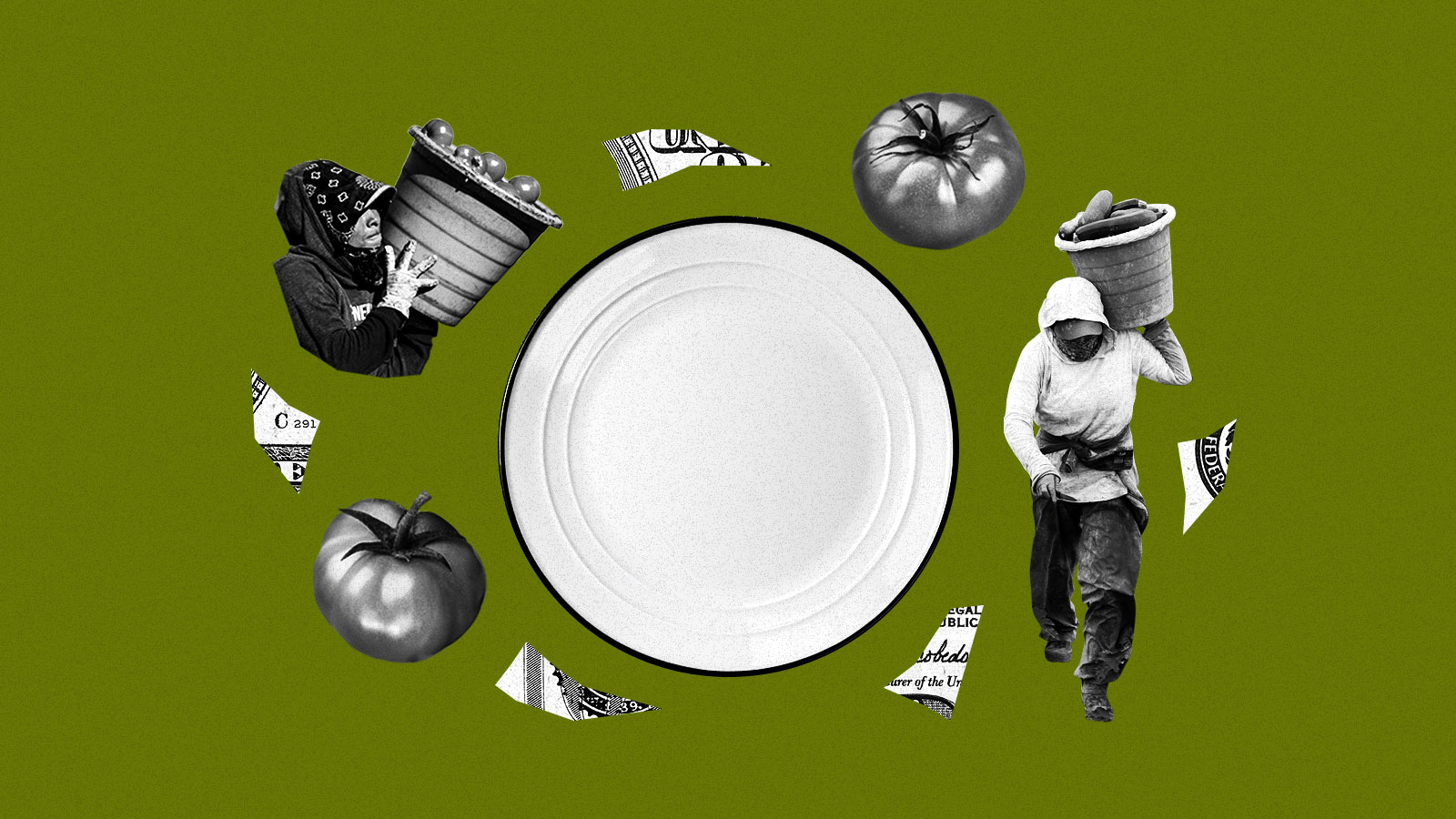
The people who feed America are going hungry
Climate change is escalating a national crisis, leaving farmworkers with empty plates and mounting costs.
Latest Articles
-
Kenya Opener
Even though Kenya is a major food exporter, it hasn’t reaped much benefit from the $20 billion-per-year global market in organic foods. Now some farmers and nonprofits in the African nation are trying to change that. Many Kenyans already grow their crops without chemical inputs, but up till now, not a single one has been […]
-
The After-kla-math
The U.S. National Academy of Sciences has determined that there was “no sound scientific basis” for the federal government’s decision to deny irrigation water to more than 1,000 farms in Oregon’s Klamath Basin during last summer’s drought. A panel of 12 independent scientists, convened at the behest of Interior Secretary Gale Norton, concluded that there […]
-
Danube Blues
The Danube River in Europe may be blue, but it’s not very green — and its environmental problems are slated to get even worse, the World Wildlife Fund warns in a report being released today. More than 80 percent of the river’s wetlands and flood plains have already been destroyed in the name of flood […]
-
I Didn’t Realize That England Had Food
England’s food production and farming needs to take a radical turn for the greener, according to a new report by the Policy Commission on the Future of Farming and Food. The commission, which was convened following devastating outbreaks of foot-and-mouth disease in the U.K., calls for some farm subsidies to be based on conserving the […]
-
Famous-er Potatoes
Organic foods, long associated with the crunchy West Coast and the yuppie East, have made dramatic inroads into more conservative places — so dramatic, in fact, that Idaho, home to many rabid anti-enviros, has become one of the top five states in the nation for total organic acreage. Part of the new popularity of organics […]
-
Deep Sea Diving
As if all the political strife weren’t enough, here’s more grim news from the Middle East: The Dead Sea, the lowest spot on Earth, is getting even lower. In the last decade, the sea, which already lies more than 1,300 feet below sea level, has fallen an additional 20 feet. Scientists attribute the change to […]
-
Its Bark Is Worse, and That Bites
Last month, Mexican officials learned their country is losing its forests at a rate of nearly 3 million acres a year, or nearly twice the clip previously thought; now, they’re blaming the heavy deforestation on impoverished indigenous farmers in Chiapas, who slash and burn the jungle to scrape out their meager living. The long history […]
-
P-ouch!
Australia Environment Minister David Kemp has angered environmentalists by agreeing to allow 6.9 million kangaroos and wallabies to be killed for commercial purposes this year. The figure represents a 1.5 million increase over past culls of Australia’s national symbol. State governments had requested an even larger increase, saying the kangaroo population was on the rise. […]
-
Food for Thought: Britain’s food system
The fixings for a traditional British turkey dinner could travel more than 24,000 miles before they reach the table, according to a report released yesterday by the U.K. lobby group Sustain. On average, food consumed in Britain travels 50 percent more than it did a decade ago, at the expense of human and environmental health. […]
-
Speedy Gone-zales
Mexico is losing forests at almost twice the rate previously thought, the country’s Environment Ministry announced yesterday. A new multi-agency study of satellite images taken from 1993 and 2000 found that average forest loss in that time was about 2.78 million acres a year, the world’s second-highest deforestation rate. Over the eight years, the amount […]
