California Gov. Jerry Brown is arguably the most pro-climate governor in the country. So when he spoke to a group of scientists about Donald Trump’s election last month, you might have expected him to fret about all the damage a climate-denying White House can manage in the next four years.
Instead, Brown came out swinging. If the Trump administration ends NASA’s climate research, Brown promised that California would step up, reminding the crowd that he was once called Governor Moonbeam for his fascination with outer space.
“If Trump turns off the satellites, California will launch its own damn satellite,” he said. “We’ve got the scientists, we’ve got the lawyers, and we’re ready to fight.”
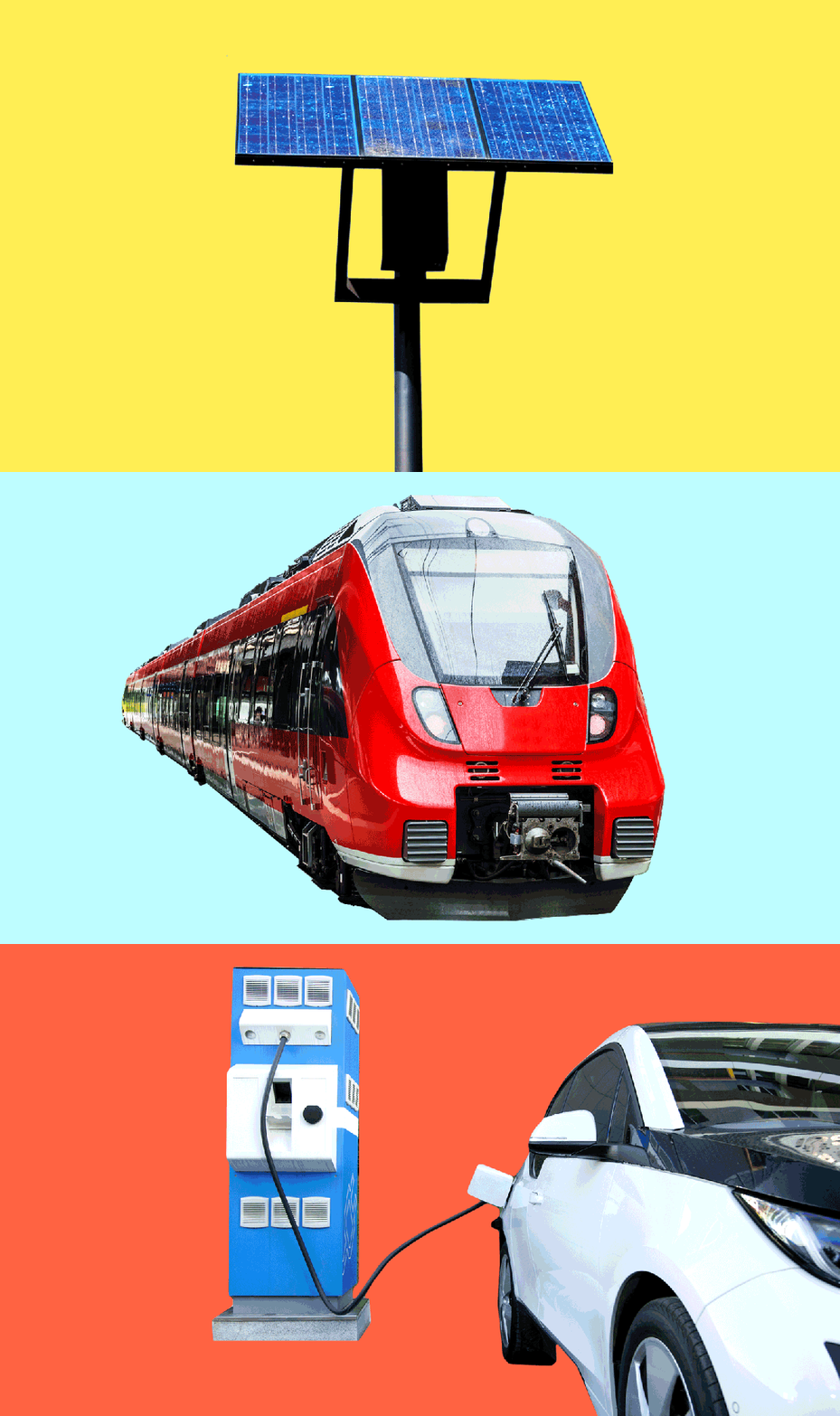
This can-do climate attitude has swept the country in recent years. And now that a climate science–denier is moving into the White House, activists, mayors, and state legislators from across the country are pulling up their organic cotton socks and setting more aggressive goals. They’re pushing for more wind and solar power, trying to block coal exports, and planning to put more electrical vehicles on the road.
“States have always led ... Read more