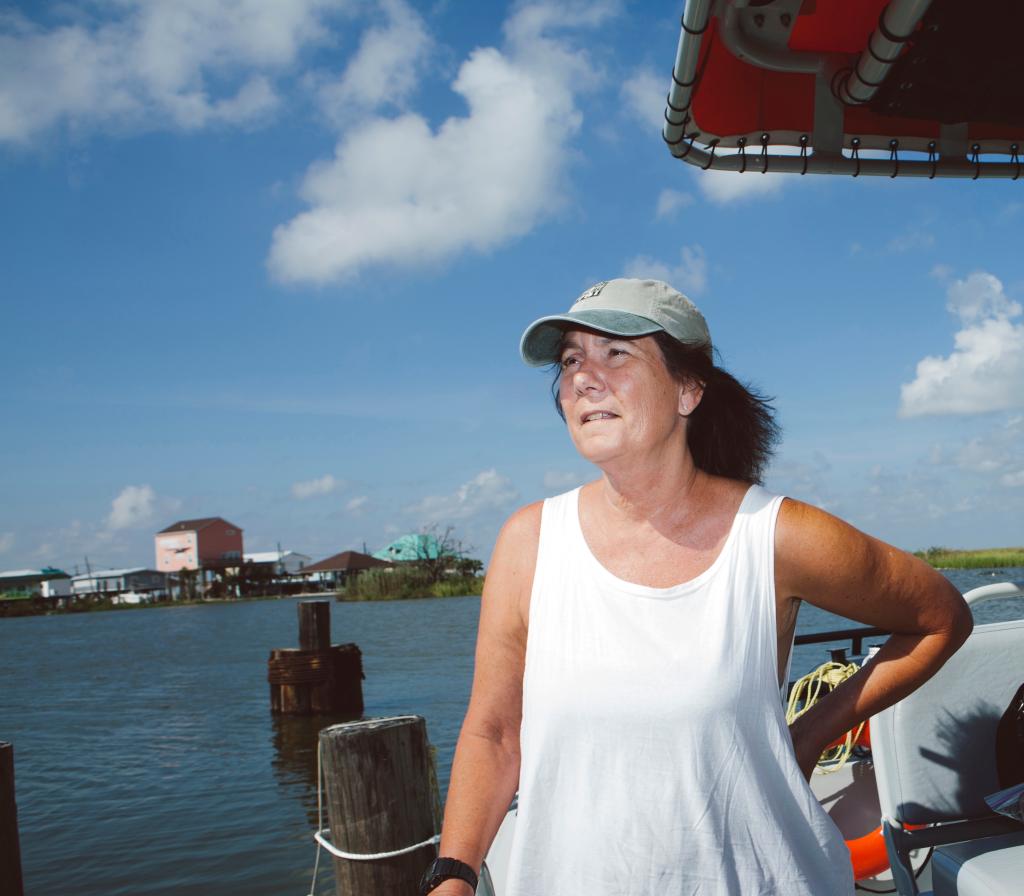
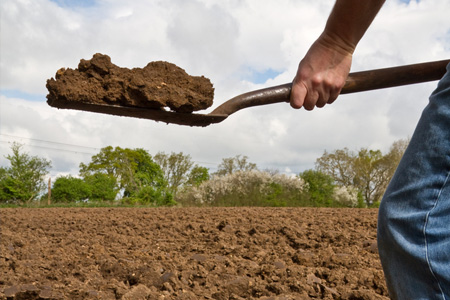
Chef Andrea Reusing harvests produce at Blackberry Farm for a collaborative meal at the pilot food policy boot camp. (Photo by Beall + Thomas.)Were you as disappointed as I was to see the French Laundry’s Thomas Keller flat-out reject his role as an influencer with power to change the food system recently? If so, this might give you hope.
This week, The James Beard Foundation (JBF) -- best known for its annual food industry awards -- sent 15 chefs to food policy boot camp. That’s right, the iconic culinary organization has partnered with Pew Charitable Trusts to actively encourage chefs to push for real, tangible change.
The intent, says JBF Vice President Mitchell Davis, is not to make all chefs advocates. But, he told the blog The Braiser, “increasingly, chefs are interested in these bigger issues, and increasingly they have some input that would help form some larger policy ... that certain set of values, beliefs, experience [that comes from] literally feeding people on the front line.”
The boot camp brought a mix of celebrity chefs -- from Top Chef Masters’ Hugh Acheson and Top Chef’s Mike Isabella, to well-loved regional chefs like Michael Anthony of New York's Gramercy Tavern and Maria Hines from Seattle’s Tilth and Golden Beetle -- to Tennessee’s Blackberry Farm for three days of policy education. The group took a deep dive into antibiotic overuse in animals (and the link to antibiotic superbugs, as it relates to Pew’s Save Antibiotics campaign) and got a primer on the current farm bill.
They also had a chance to strategize more generally about how to work with NGOs and advocates, and how to introduce their (often sizable) social media followings to important, if less sexy, food issues. (The 15 chefs attending reach over 100,000 followers on Twitter alone.) They also cooked what looks like a delicious collaborative dinner together.

Screwed by climate change: 10 cities that will be hardest hit
Why we need competitive electricity markets (with fennec foxes!)
No whey: Greek yogurt imperils fish
If you’re even remotely interested in food, there’s a very good chance you’ve seen the article that ran in Sunday’s New York Times called “
Advocates of community-supported fisheries say eating locally caught fish from small boats might just be the best way to protect the oceans. See
It has been said that California cuisine isn’t so much about cooking as it is about shopping. In summertime, this rule applies just about everywhere. And while the original shopping-not-cooking comment was meant as an insult, I’ve found it to be a helpful framework on which to hang many a meal. Buy the best ingredients, subject them to just the right combination of salt, lemon, and olive oil, and it’s hard to go wrong.
Here's last year's Gulf dead zone. How big will this year's be? (Photo courtesy of NOAA.)
It's that exciting time of the year again when the Senate and House Appropriations Committees get together to hash out the annual agriculture budget. I know, right? Really fun stuff.
If last week’s Rio+20 Earth Summit made anything clear to those of us at home, it's the degree to which the world’s developed nations have been sitting on their hands since the original Earth Summit 20 years ago. As Grist's Greg Hanscom
Photo courtesy of Save Family Farms.