Plans for a celebrity-backed “hyperscale” data center in rural Utah, so massive that it would consume more than double the state’s current electricity use, have generated an intense public and political backlash in a state where the motto is “industry” and a Republican supermajority tends to be deferential to development.
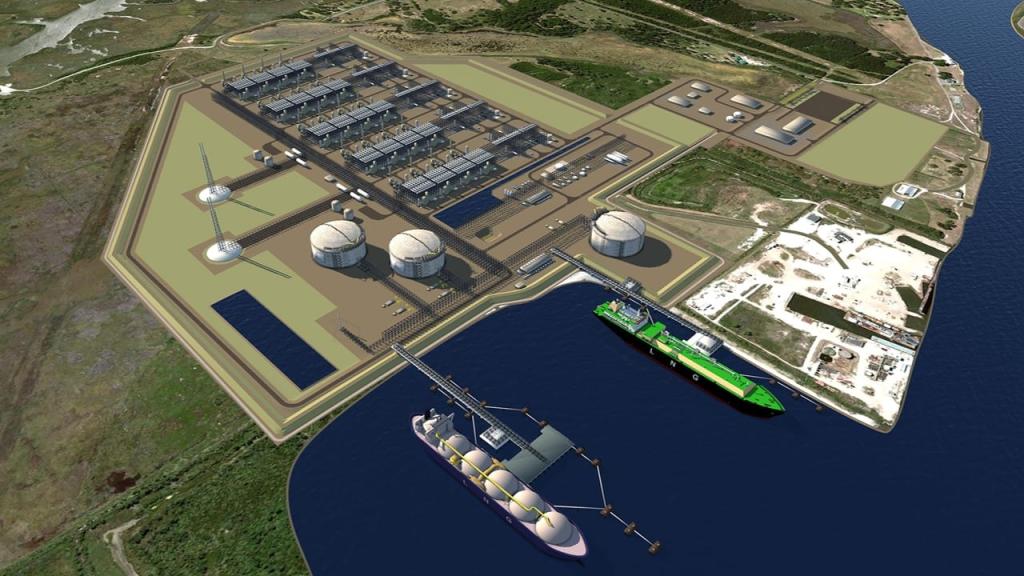
The project, brought by “Shark Tank” TV personality Kevin O’Leary, would span 40,000 acres, demand 9 gigawatts of power once completed, and raise the state’s carbon emissions by 64 percent, according to estimates. While its water needs remain unknown, the sprawling data center would neighbor the northernmost tip of the shrinking Great Salt Lake, which will likely hit a record-low elevation this year following an unprecedented dry winter.
It could also create a massive heat island capable of devastating the area’s ecology, said Robert Davies, a physics professor at Utah State University. Davies estimated that the finished project would cover about as many square miles as Washingt... Read more