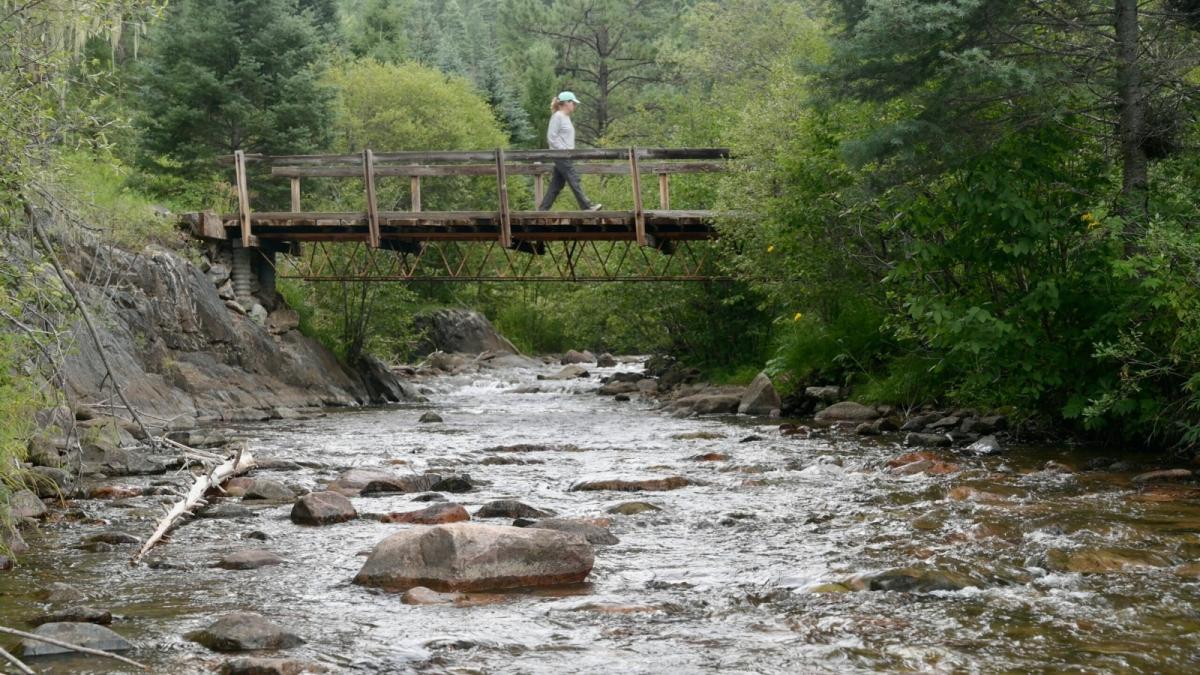
It’s an early May afternoon, and Charlie Barrett has parked his pickup in a pullout along a county road a few hundred feet from the Black River in southern New Mexico, just a mile from where it empties into the Pecos River.
He has stopped to set up a video camera that detects heat and gasses invisible to the eye to check for emissions at a nearby oil and gas operation.
Stepping out of the truck, Barrett finds the pullout muddy and dotted with puddles — an anomaly during an ongoing drought. A gray chunk of salt the size of a medicine ball sits near a mud puddle flecked with shimmering, white crystals.
“Unfortunately this is pretty common,” he said. “It’s also quite dangerous.” It appeared that someone had dumped oilfield wastewater — also known as produced water — at the pullout. The extremely saline and toxic byproduct of oil and gas production carries a mix of petroleum compounds and oilfield chemicals. Produced water can be radioactiv... Read more