Cindy O’Neil understands the boom-and-bust cycles of industry. Her husband spent years working in Carbon County’s namesake coal mines. In this pocket of central Utah, energy and the economy have long been intrinsically linked, at great sacrifice to county residents.
“We’ve had the coal. We’ve dealt, the whole community, with black lung,” O’Neil said. “The explosions, the fires and all the things that came along with it.”
But a new industry and type of energy production is about to move near her rural home. And she says it has her and her neighbors even more worried than they were about the dangers that came from their long history with coal.
“It’s all descending, these data centers,” said O’Neil, who tracks mysterious new projects in the works and shares updates on Facebook community pages. “They’re setting these things within a couple of miles of homes.”
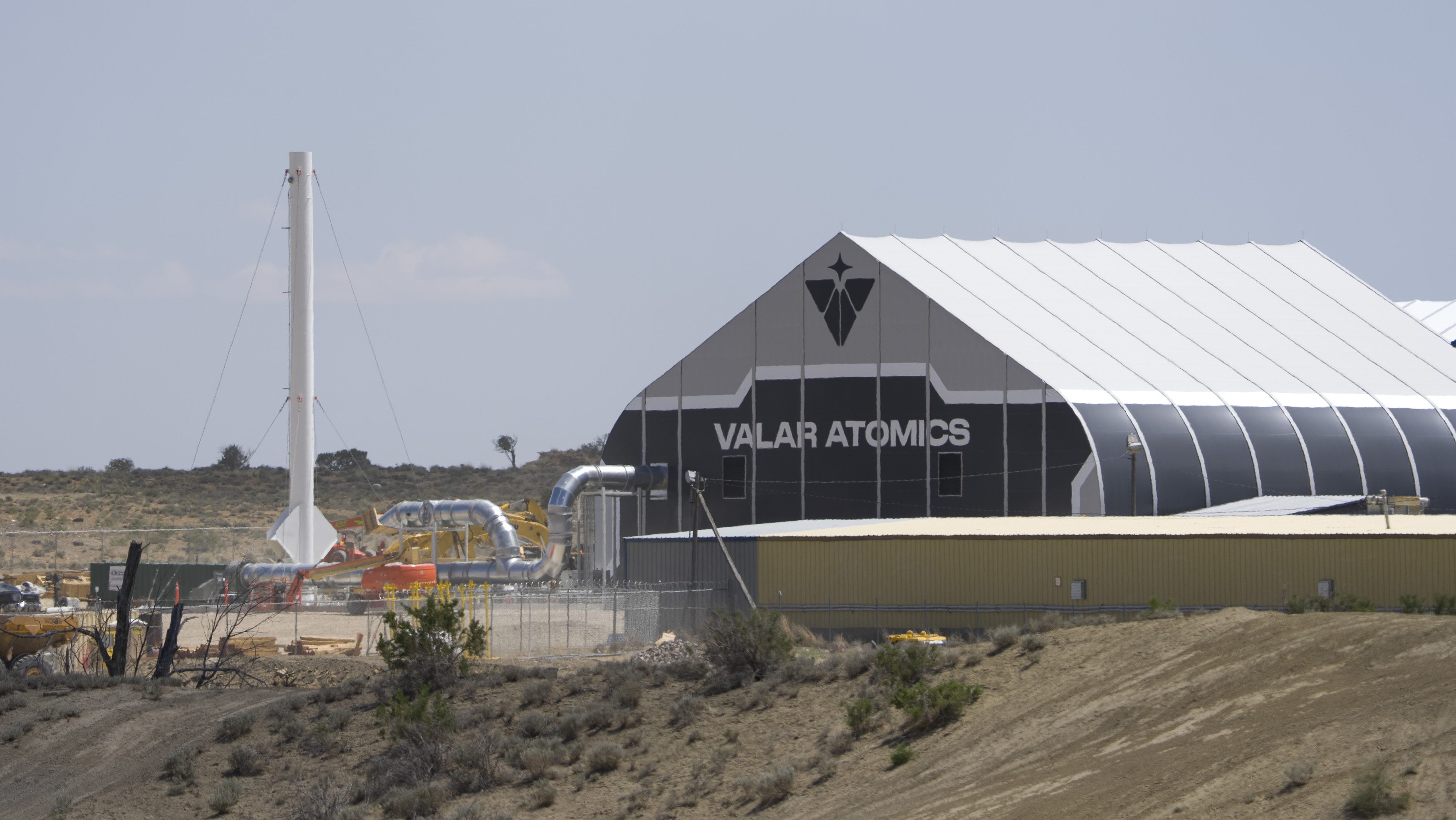
Her latest updates involve a lot of chatter about Valar Atomics, a nuclear startup. The company plans to build a mega-complex of 456 small modular reactors — a still largely untested and unproven technology in the United States — on the vast tracts of Bureau of Land Management land in the county. The project will store radioactive waste, according to a report from National Public Radio, and power an array of industrial activities, including data centers. “Project Beehive” has support from the state of Utah, and will include a square mile of state-owned trust lands.
Another data center complex planned for the county, Altigen Energy’s “Jurassic Spark,” will cover hundreds of acres and include a massive natural gas plant.
It’s an abrupt shift. Carbon County’s coal mines produced nearly 10 million tons of coal in 2006. But a shift to cheaper energy sources, like renewables and natural gas, along with depleted supplies in the coal seams, sank the region’s main economic engine in just a few decades. Since 2023, not a single pound of coal has been mined in Carbon County.
“They say everything’s left us, and if we don’t grab these table scraps we’re not going to get anything,” said O’Neil. “I don’t think our county has to take the table scraps.”
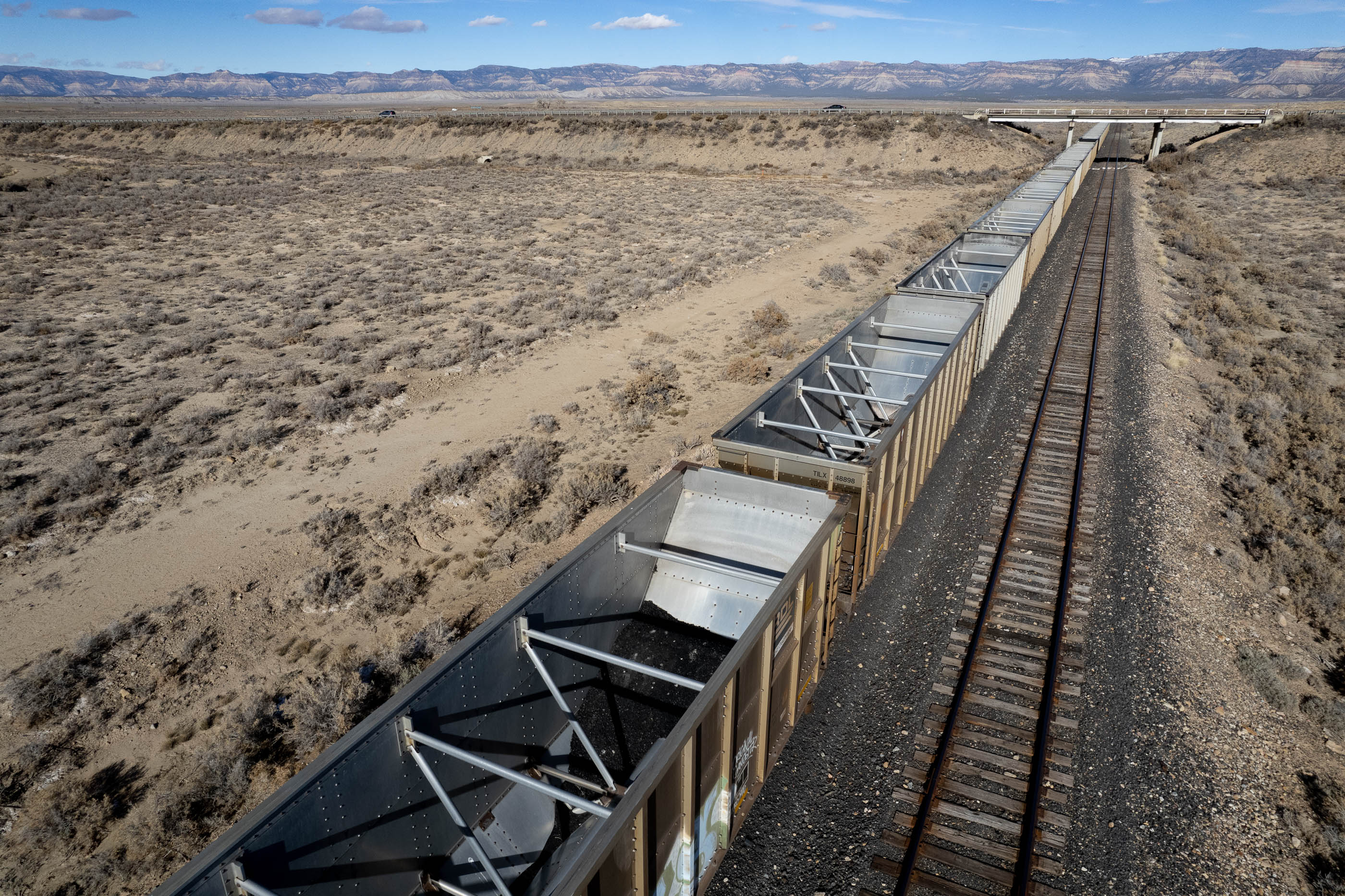
None of Carbon County’s new data center plans call for coal. The Utah Trust Lands Administration recently agreed to lease a square mile of its state-owned land for up to 100 years to Valar Atomics. The nuclear startup intends to use that lease to run some of its SMRs, process its uranium TRISO-fuel to feed the reactors, build water desalination, manufacture steel, refine critical minerals — and support data centers.
The Valar site is expected to generate $35 million in lease rents over 50 years, according to information the Trust Lands Administration staff presented to its board last month. Revenue collected from the project benefits Utah schools. (The state agency declined to comment on the Valar project.)
During that September board meeting, three Carbon County residents who are employed or expected to be employed by Valar spoke in favor of the project. All three of the Carbon County Commissioners also voiced their support.
“[We] realize that this topic is a hot button now, along with data centers,” said Larry Jensen, one of the commissioners. “It’s important that you understand that the Carbon County Commissioners are committed to allowing these things to move forward. Even with the pushback — we realize that there are a few in our community who will push back — but the silent majority are the ones that we really represent.”
Cheryl Lupo, a longtime resident of the county, balked at that assertion. She is running for a seat on the county commission this year. As an unaffiliated candidate, she had to collect 300 signatures to land on the ballot. She said the opinions she heard during that process were overwhelmingly opposed to data centers and nuclear plants.
“People are up in arms,” Lupo said. “Torches and pitchforks. Because they’re not being heard.”
Governor Spencer Cox, U.S. Senator John Curtis and other high-ranking Utah officials welcomed Valar to the state earlier this year, allowing it to test its “Ward250” microreactor at the San Rafael Energy Lab in neighboring Emery County. Valar announced it had achieved “self-sustaining criticality” in June – a process where atoms split and maintain a steady fission chain reaction without being fed more neutrons. The company has plans to power a 30-megawatt nuclear-powered AI data center in Emery County, too, in partnership with the computer-chip giant Nvidia.
Small modular reactors have yet to be deployed for commercial use in the United States. During last week’s Trust Lands Administration meeting, Mike Nelson, the board’s chair, seemed to acknowledge that the deal with Valar came with some unknowns. “We weren’t always sure what to ask about,” Nelson said, while offering praise for the nuclear startup, “and probably still aren’t sure of everything to ask about because this is a first, right?”
Utah has a troubled history with nuclear testing. Lupo’s mother was 38 years old when she died, and Lupo believes the cause was downwind effects from radioactive weapons testing in nearby Nevada during the 1950s. Her mother lived in Carbon County at the time. She believes the fallout caused her grandfather’s death, too.
“I will never, ever be a proponent of nuclear,” Lupo said.
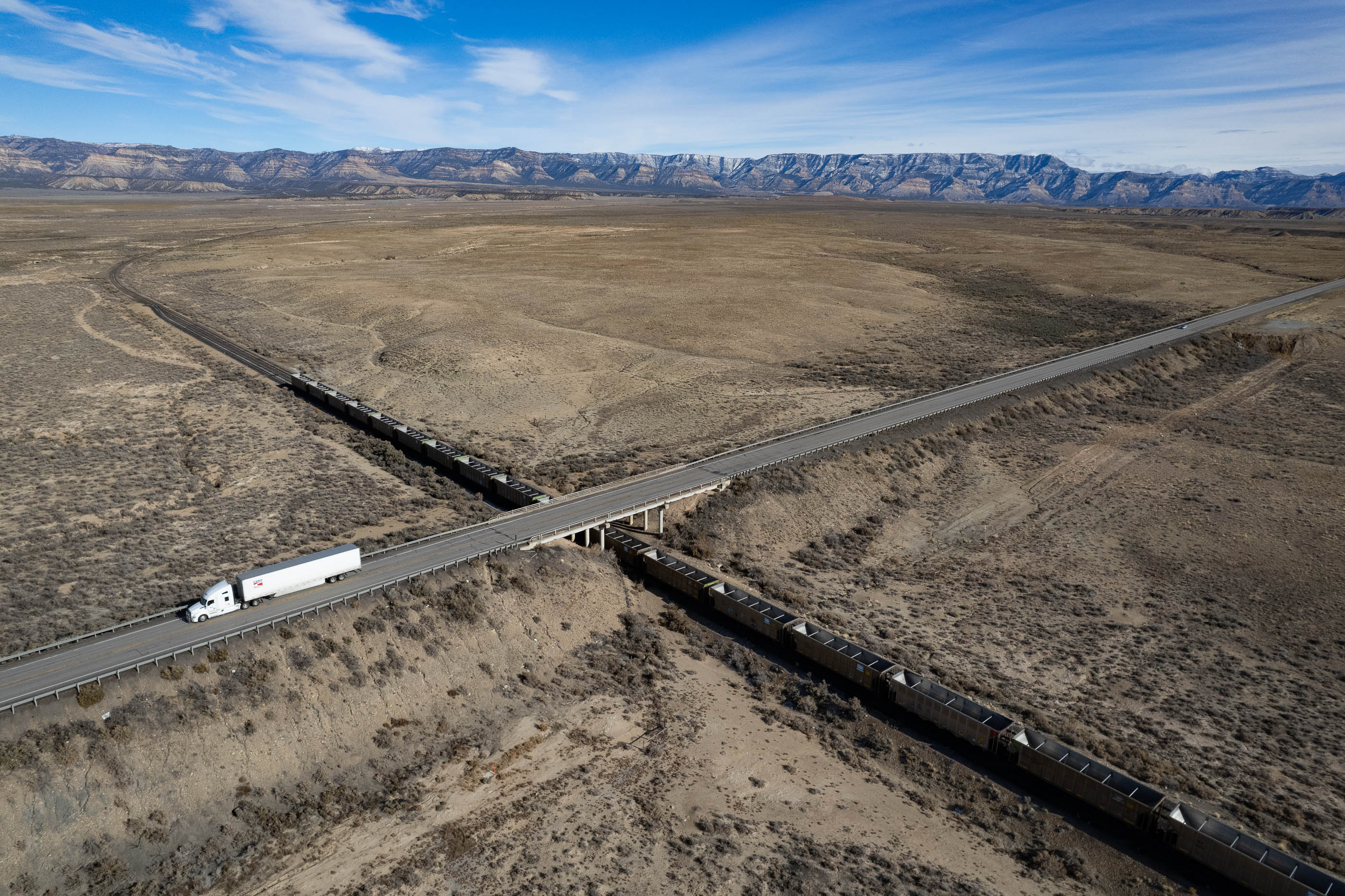
Even before the proposal to build Valar’s complex started causing a stir, rumors swirled about the possibility of another data center campus in Carbon County.
Altigen, a company that builds natural gas-power plants for data centers, has selected an area east of Wellington for its 1,200-acre “Jurassic Spark” project — nearly double the size of the Valar campus, according to meeting minutes from the local Community Economic Development Board. Plans call for building a 250-megawatt gas plant to power the complex initially, but it could eventually produce 3 gigawatts of electricity, according to Jensen. For the sake of comparison, the entire state of Utah uses about 4 gigawatts. (Altigen did not respond to a request for comment.)
Data center developers are increasingly turning to natural gas to power their projects since utilities have struggled to supply the intense electricity demands of AI servers.
Last year, the Utah Legislature passed SB 132, allowing private companies with energy demands of 100 megawatts or more to build their own self-contained generating stations. The idea was to support business development, including data centers, without putting a strain on the grid used by nearly everyone else. The result was a surge of builders issuing plans and applying for permits to build gas-fired power plants.
Natural gas, however, is a potent greenhouse pollutant mostly composed of methane. It helps fuel climate change and pollutes the air in surrounding communities. And natural gas plants can produce immense amounts of heat..
But nuclear plants can produce even more heat than natural gas plants because they are less efficient, according to Robert Davies, a professor of physics at Utah State University. “If you’re in a contained valley, it concentrates the problem,” he said.
As it happens, the Wellington area sits in a valley, hemmed in by the Wasatch Range to the west and the Book Cliffs to the north and east.
“The heat island that the data centers produce, that concerns me,” said Aspen Westenskow, who has lived in Carbon and Emery counties all her life. “They go clear all this land, the brush, the trees. What helps cool the planet down? Not flat dirt.”
Westenskow said water remains her biggest source of distress. The region is water strapped, with every drop spoken for.
Valar says its reactors use closed-loop helium cooling which requires little water, and data developers have asserted they will also use closed-loop cooling systems with low water demands.
On July 3, Carbon County issued a statement responding to their residents’ concerns. The region faces a difficult economic reality due to the decline of the coal industry, the statement said. That has shifted more of the county’s property tax burden to homeowners and remaining businesses. Data centers have earned the commissioners’ support because of their potential to infuse tax rolls with much-needed revenue.
The statement also addressed concerns over the non-disclosure agreements that some residents have questioned. “Without these agreements,” the statement reads, “some companies would choose not to explore projects in Carbon County.”
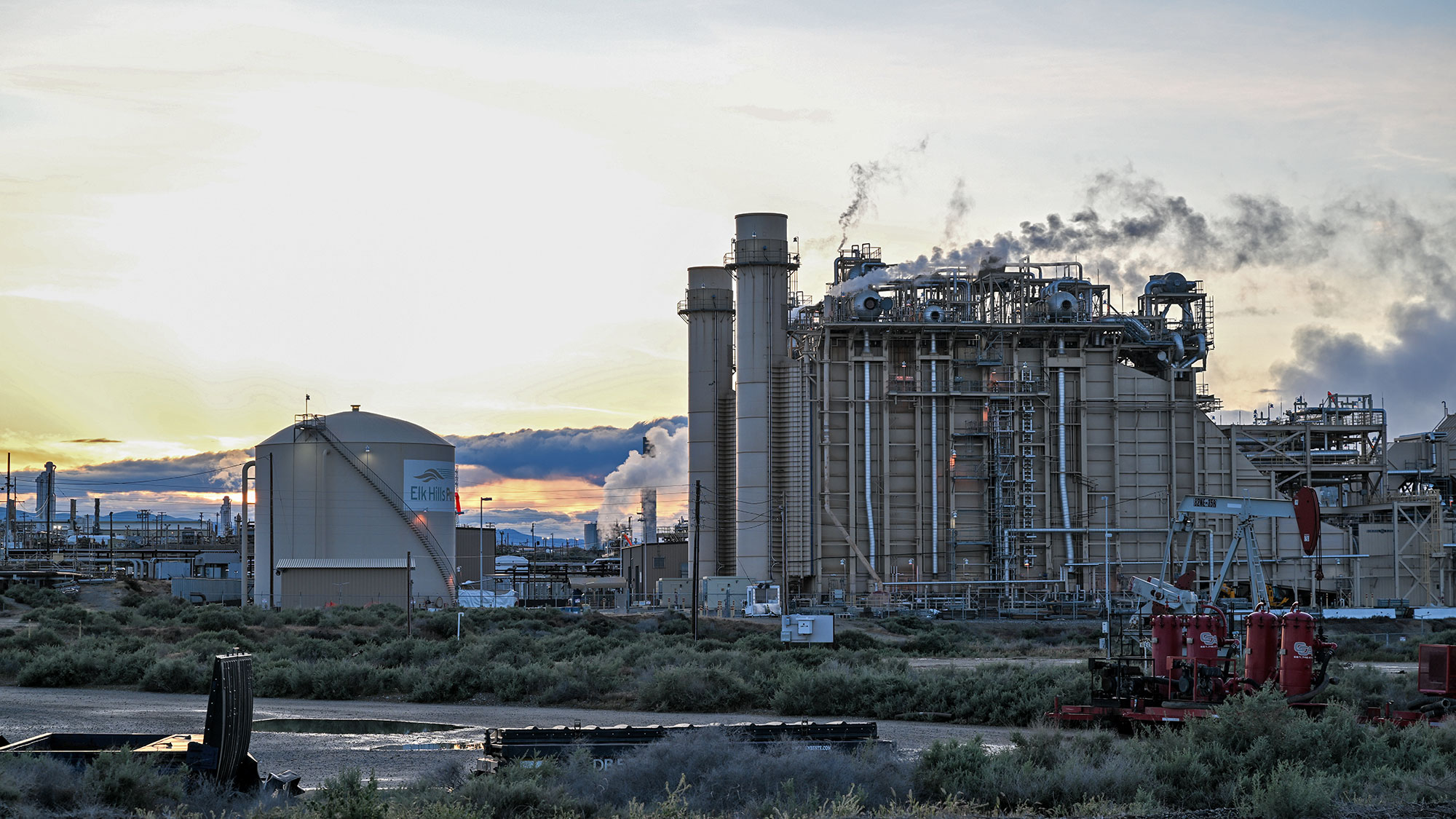
It’s not clear whether the county had non-disclosure agreements with Altigen or Valar. But they’re common for companies looking to do business in Carbon County. Oran Stainbrook, one resident, said he was aware of several when he served on the county planning commission and economic development board. He resigned from those positions a few months ago to take a job in Colorado, he said.
Although he wasn’t aware of any agreements involving the data center projects, Stainbrook said he believed the commissioners were looking out for the county’s best interests, trying to lure jobs and investment.
O’Neil, from her home on U.S. Highway 6, sees things differently.
“You shouldn’t be hiding what you and the company are going to bring to a community,” O’Neil said, “and not tell the community until it’s too late and a done deal.”