When 83-year-old Sam Getsinger thinks about the future, she pictures her five grandchildren and the world she wants to leave them. An important part of that world, Getsinger said, is a healthy democracy. So when she first heard about an initiative to limit Michigan utilities’ influence in political campaigns, she immediately volunteered to support it.
“I don’t want our politics to continue so that the person with the most money wins everything,” Getsinger said. “I don’t think that’s a very sound democracy.”
Getsinger spent months knocking on doors throughout northern Michigan. She said nearly all the people behind those doors agreed with her that utilities shouldn’t wield as much political influence as they do.
Keeping corporate money out of elections is notoriously difficult in the United States, but next week Michiganders are going to vote on whether they should try it anyway, with a particular focus on the state’s electricity and gas utilities. Saying they are sick of power outages and high bills, advocacy groups and volunteers are pushing for a ballot measure they say will roll back utilities’ influence over state elections, freeing lawmakers to hold them accountable. Polls from supportive organizations show strong voter approval of the initiative, but even if it passes, and even if it survives legal challenges, some experts say it still won’t get all utility money out of politics.
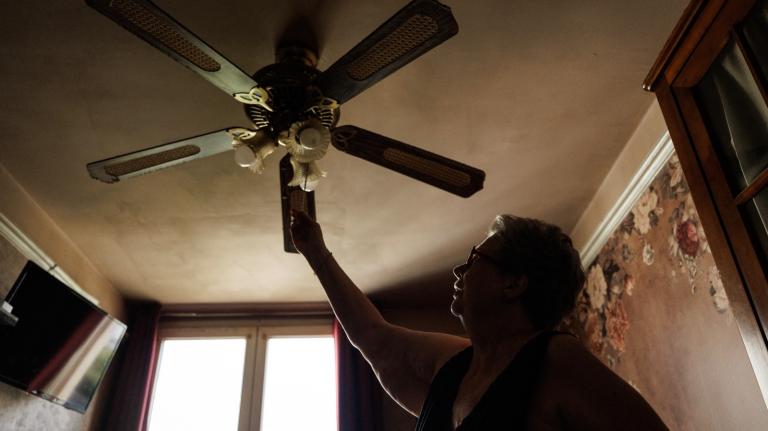
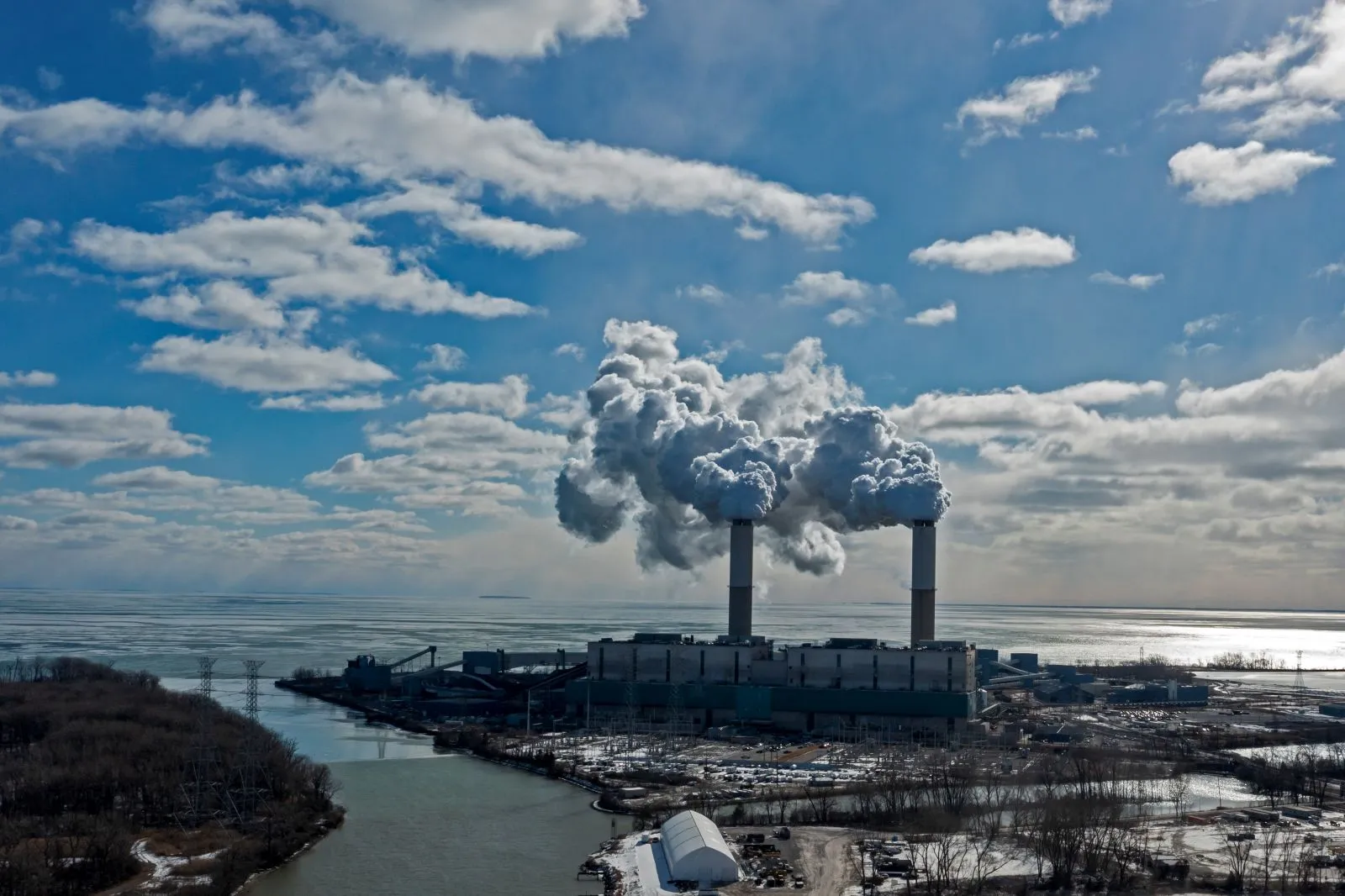
The ballot proposal comes as customer dissatisfaction with Michigan utilities mounts — the state sees some of the highest utility rates in the country and the least reliable service. Rounds of extreme weather events like ice storms and tornadoes over the last few years left people without power for extended periods of time. Residents are angry at the increasing footprint of data centers in the state and the utilities that power them.
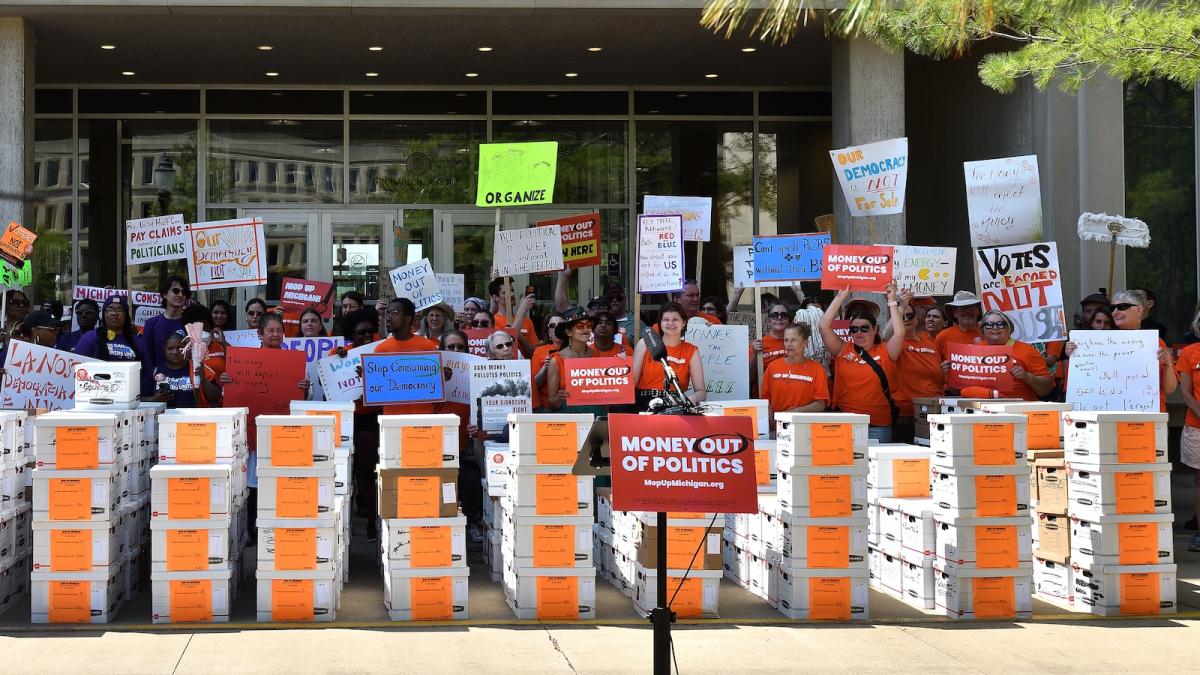
“Everything is more expensive. The quality of service is worse, and we are dealing with more air and water pollution as a result of utility influence in Lansing,” said Christy McGillivray, co-chair of Michiganders for Money Out of Politics, a coalition of local groups that collected 560,000 signatures to put the proposal on the ballot. “So we have to put a stop to it.”

The measure is designed to plug up leaks in Michigan’s laws restricting corporate influence over politics. The state already prohibits corporations, including investor-owned utilities, from giving directly to political campaigns, but corporate dollars have plenty of other avenues into elections. The classic example is for companies to establish and fund nonprofit organizations known as political action committees, or PACs, which then contribute to campaigns or launch political advertisements. Last year, Michigan lawmakers and committees on both sides of the aisle accepted $421,000 in corporate utility donations, according to the Michigan League of Conservation Voters. In the 2022 election cycle, donations totaled more than $1.6 million across state and local races.
Proposal 2 would end some of that spending, prohibiting utility-funded PACs from giving directly to campaigns. It would also go a step further by prohibiting utility executives, board members, and even the family members of those individuals from giving to campaigns or parties. The same would go for other companies that provide services to state or local governments with contracts larger than $250,000.
The measure would also tighten some loose bolts in Michigan’s campaign finance laws, making the funding of certain political ads more transparent and adding legal definitions to online political advertisements.
For Getsinger and many of the voters she spoke to, climate was an important motive in wanting to limit utilities’ political power. Michigan has set ambitious climate goals that require utilities to get 100 percent of their energy from clean and renewable sources by 2040, but utilities in Michigan have been seen as impeding climate and environmental progress.
Michigan utilities have lobbied against community solar, arguing that these programs would increase electricity rates. Legislation that would force utilities to pay to clean up contaminated sites has stalled at the state house because of industry pushback. And previous attempts to introduce legislation on what this year’s ballot proposal aims to do — curb utilities’ influence in the state capitol — have failed.
However, it appears that Michigan lawmakers have become aware of the unpopularity of utility influence in politics. When the Michigan League of Conservation Voters launched its “No Utility Money Challenge” in 2025, pushing lawmakers to promise they wouldn’t accept money from utilities or associated groups, fewer than 10 candidates signed on. Today, that number has jumped to 126 candidates for state office, including Democrats and Republicans.
“These pledges are reflective of how toxic utility money has become, and that’s new,” said Karlee Weinmann, a research and communications manager for the Energy and Policy Institute, a think tank that focuses on utilities. “It used to not even be controversial in the state capitol to be connected with the utilities as a lawmaker.”
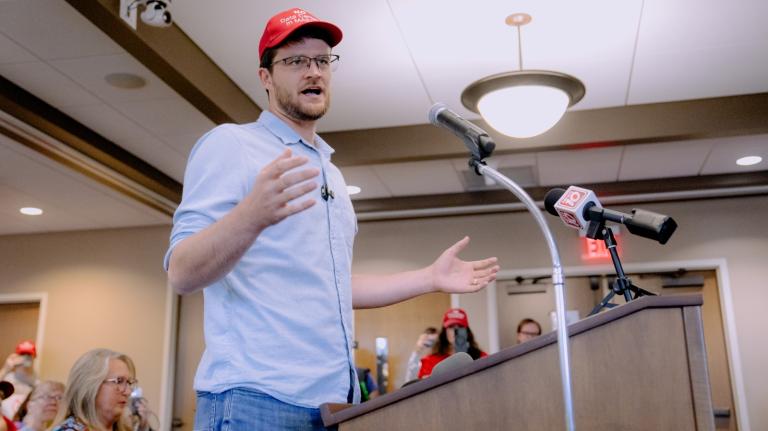
Critics like utilities and interest groups argue that Prop 2 infringes on freedom of speech and fails to address the outsize influence of out-of-state groups.
John Sellek, spokesperson for the opposition group Protect MI Free Speech, said supporters are using voters’ frustration with high costs of living “to carry out a much wider sneak attack” on Michiganders who can’t support candidates “simply because of who they are related to or contract with.” The group formed after Prop 2 was first proposed in 2025. Protect MI Free Speech has received $232,000 from utility interest groups, out of a total of about $851,000 from all sources, according to campaign finance disclosures tracked by the Michigan Transparency Network. In contrast, Michiganders for Money Out of Politics, also known as Mop Up Michigan, has received more than $8.7 million in contributions from individuals and voter interest groups.
Consumers Energy, one of the state’s largest publicly regulated utilities, said it follows all campaign finance laws and reports political donations transparently.
“Mop Up Michigan’s approach won’t eliminate money in politics — it will simply shift influence away from Michigan companies and toward wealthy national donors and special interests,” said Katie Carey, a spokesperson for the company.
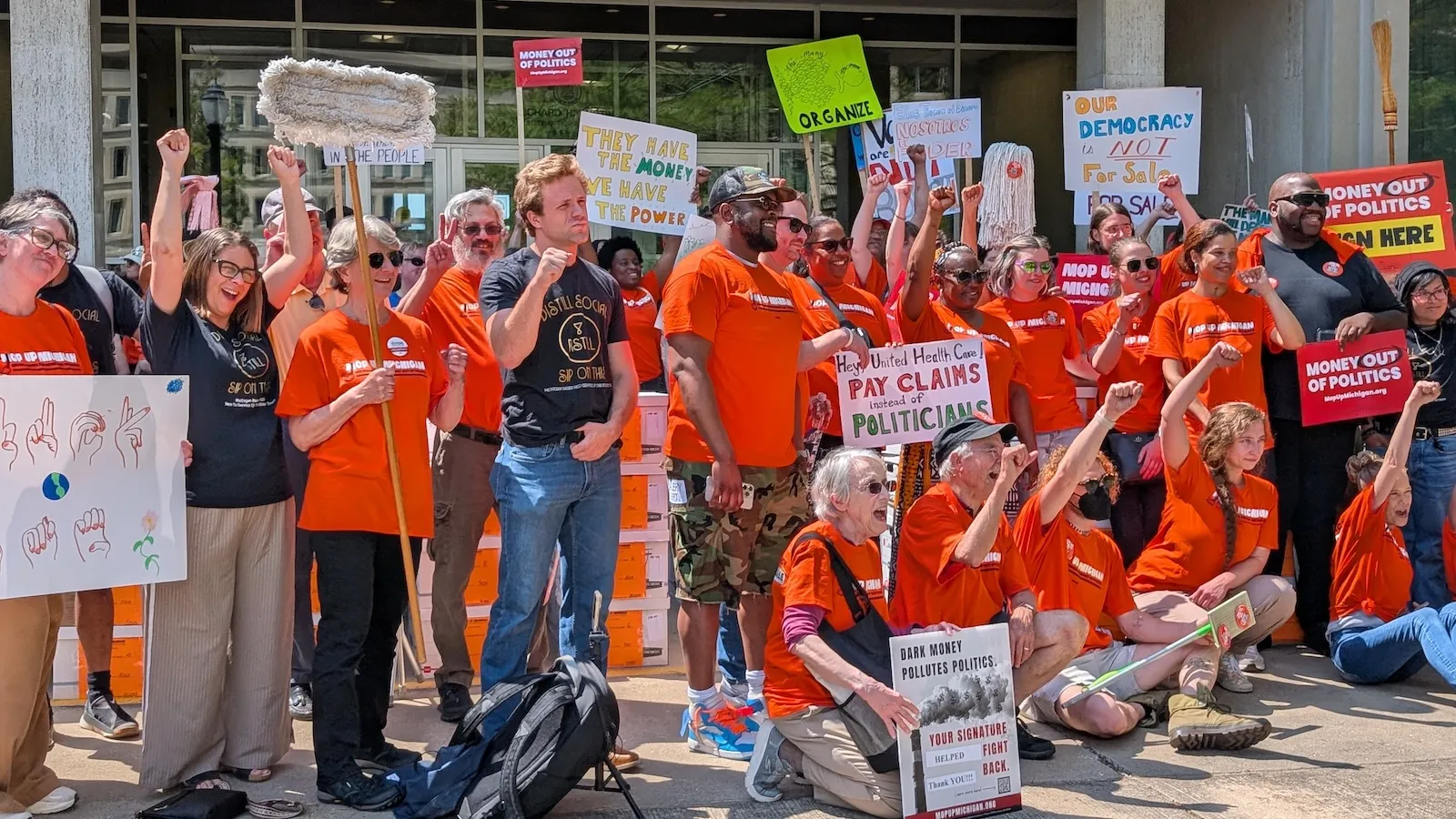
Photo courtesy of Michiganders for Money Out of Politics
Twenty-one states have made it illegal for corporations to donate directly to campaigns, but very few have tried to expand those limits as far as Prop 2 would, and none have done so by specifically targeting utilities. The coalition that helped write the ballot question said the goal was to rein in some of the “worst spenders” in state politics. “Nothing happens in our state legislature if regulated gas and electric utilities don’t greenlight it,” said McGillivray with Michiganders for Money Out of Politics.
Hawai‘i lawmakers passed a law in 2026 that would prevent all kinds of political spending by organizations, whether they’re corporations or nonprofits. (That law has already received two challenges in court.) Montana voters will see a similarly ambitious effort on their ballot in November. And states including Colorado, Connecticut, and Maine have set limits on utilities’ ability to fund political lobbying with ratepayer money.
If voters pass the measure, Michigan will almost certainly test the limits of what states can legally do to limit corporate money’s influence in politics. Though residents of many states might want restrictions like the ones listed in Prop 2, they probably haven’t materialized because the Supreme Court has severely limited their options.
In 50 years of cases, culminating in the 2010 Citizens United case, courts have ruled that political spending is protected as a form of free speech, and that corporations have speech rights like individuals. As a result, governments have limited legal means to control corporate spending on elections.
Governments can ban direct corporate contributions to candidates, courts have said, because it helps prevent corruption and its appearance, as well as the circumvention of contribution limits. States and federal lawmakers can also limit the amount that anyone, including corporate-aligned nonprofits, donates to campaigns. But lawmakers cannot prevent corporations from funding PACs that donate to campaigns. And governments can put almost no limits on some other kinds of political spending, namely expenditures on political advertising that supports a campaign without coordinating directly with that campaign. Corporations can contribute unlimited amounts of money to aligned nonprofit organizations that run these kinds of ads, trying to convince voters in one direction or another.
With those court decisions in place, some experts believe it would take nothing short of a constitutional amendment to put meaningful limits on corporations’ or wealthy individuals’ political spending.
Opposition groups have vowed to sue Michigan if the ballot initiative wins. Experts point to limitations on PAC spending and family members’ political contributions as particularly vulnerable to legal attack.
And even if it beats those challenges, the measure still wouldn’t address the amount of corporate spending on politics, including lobbying and political spending on uncoordinated advertisements.
“If one avenue is closed off to them, they can redirect that money to other entities that can effectuate pretty much the same goal,” said Karley Abramson, a research associate at the Citizens Research Council of Michigan, a nonpartisan research organization.
Advocates for the initiative, like the Michigan League of Conservation Voters, acknowledge the limits on what it can do. It doesn’t matter, they say: Even if the measure can’t satisfy the system-wide frustration voters are feeling, it’s a step in the right direction. And anyway, it will let politicians know how serious their constituents are about holding utilities accountable.
“This is a really solid first step in starting to kind of push forward some more transparency,” said Nick Dodge, senior director of programs for the Michigan League of Conservation Voters.