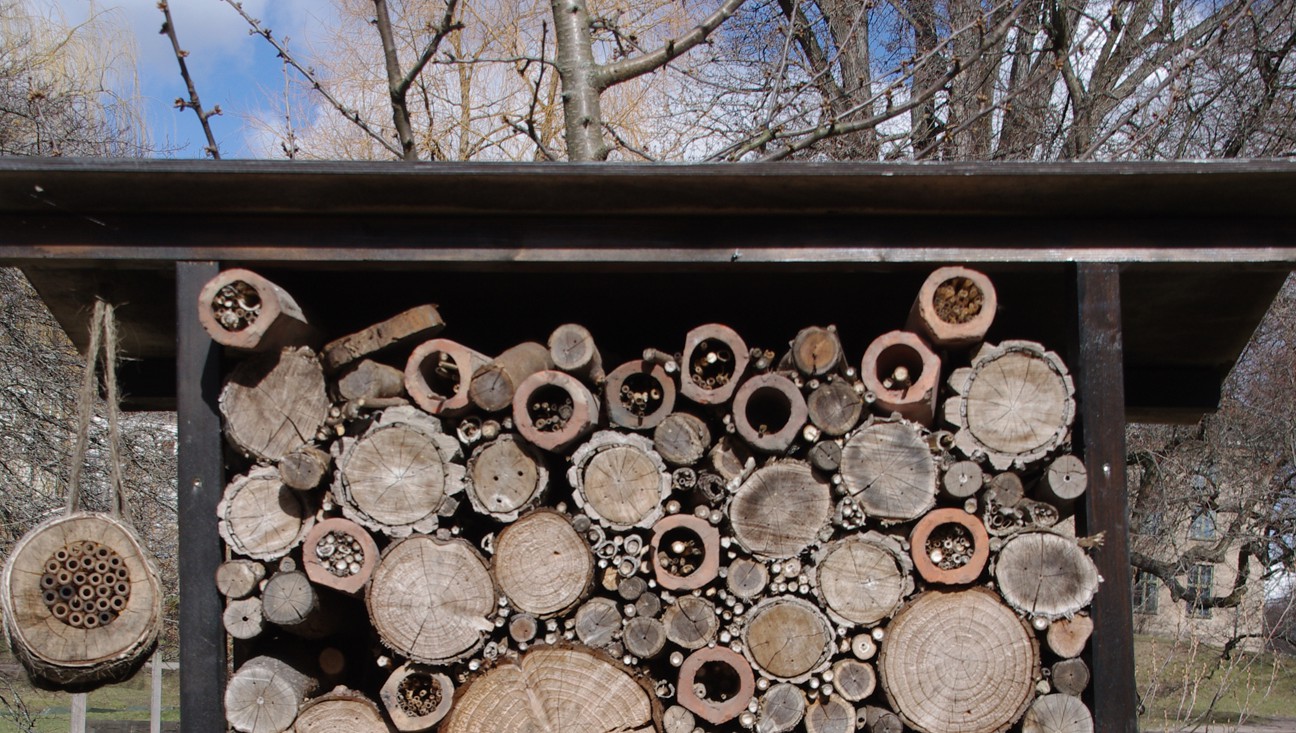
Oslo is transforming a strip through the city into a series of bee pastures — parks, and green roofs, and balcony flower beds — each a short flight from the next. I like to imagine that from the air you could look down and see ribbon of blossoms, stretching from one side of the city to the other.

According to the Guardian:
Oslo’s “bee highway” aims to give the insects a safe passage through the city, lined with relays providing food and shelter – the first such system in the world, according to the organizers.
Participants in the project – state bodies, companies, associations and private individuals – are invited to post their contribution on a website (polli.no), which maps out the bees’ route across the city.
Like many living creatures, insects are struggling to survive in the world that humans have altered and shaped. (I’ve been writing about bees’ troubles.) But it’s also within our power to alter the landscapes we’ve transformed — and invite the wild things back in.
A message from
Your support keeps our climate news free.
Grist is the only award-winning newsroom focused on exploring equitable solutions to climate change. It’s vital reporting made entirely possible by loyal readers like you.
At Grist, we don’t believe in paywalls. Instead, we rely on our readers to pitch in what they can so that we can continue bringing you our solution-based climate news. Donate today to keep our site free.