Shutterstock
Like a towheaded baby whose golden curls inevitably turn mousy brown at exactly the same age he or she starts giving a crap about hair color, our planet is going darker on top as it ages. That’s bad news for a couple of reasons — first, because it’s happening as a result of global warming, and second, because it will make global warming worse.
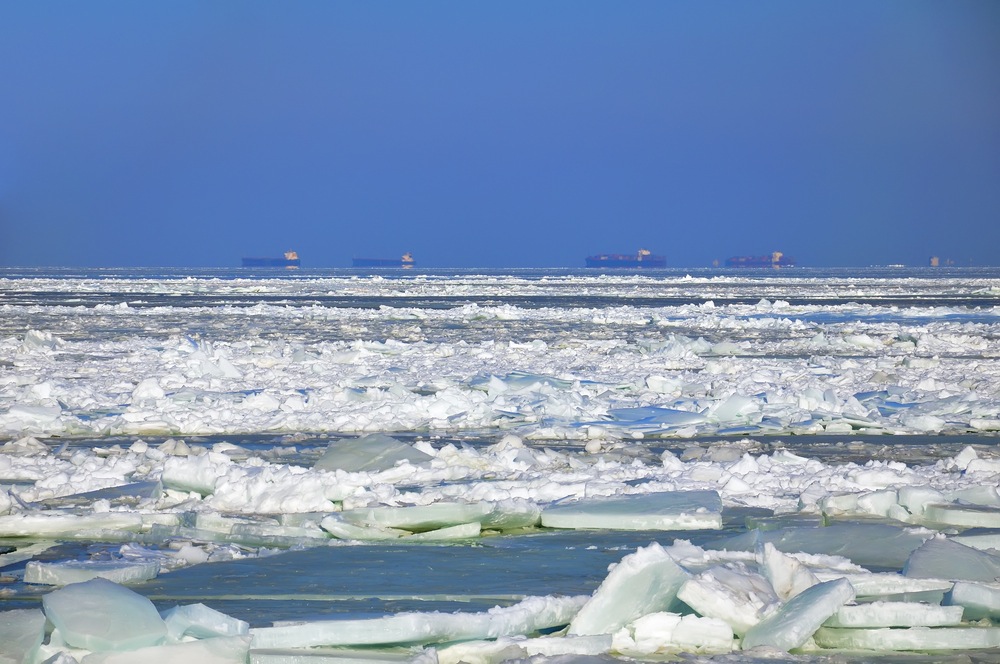
Scientists analyzed 30 years of data and discovered that the Arctic is losing some of its reflectivity — i.e., it’s getting darker. That’s because of thinning ice showing the darker water below, and dark ponds of water forming on the ice’s surface. All in all, the Arctic is 15 percent less reflective than it used to be.
And that’s a problem. Because the more sunlight the Arctic absorbs instead of reflecting, the warmer it will get. It’s the same principle behind painting your roof white to save energy and keep your house cool. We had a natural white roof in the form of Arctic ice, and now it’s darkening.
There’s only one possible solution: Paint the Arctic white. Or bleach it. That’s what people do to their hair, and it seems to work.
A message from
Your support keeps our climate news free.
Grist is the only award-winning newsroom focused on exploring equitable solutions to climate change. It’s vital reporting made entirely possible by loyal readers like you.
At Grist, we don’t believe in paywalls. Instead, we rely on our readers to pitch in what they can so that we can continue bringing you our solution-based climate news. Donate today to keep our site free.