The war launched by the United States and Israel on Iran has caused an unprecedented disruption in global energy markets, bottlenecking 20 percent of the world’s supply of oil and liquefied natural gas. We don’t yet know exactly what this means for the fight against climate change. But, thanks to two new reports released this week, we now have the clearest picture yet of the path the world was on before the conflict sent the price of oil soaring — and it was a path where the fossil fuels threatened by the war were less central than ever to meeting growing global energy needs.
The world is entering an “age of electricity,” according to the reports, which come from the International Energy Agency, or IEA, an intergovernmental organization that publishes the world’s most authoritative analyses on the global energy sector, and the think tank Ember. That’s because core economic activities that traditionally involve burning oil and gas — driving cars, heating buildings, and even running industrial processes like steelmaking — are increasingly powered by electricity instead. And, most importantly for the climate fight, an ever-larger share of that electricity is coming from renewable sources.
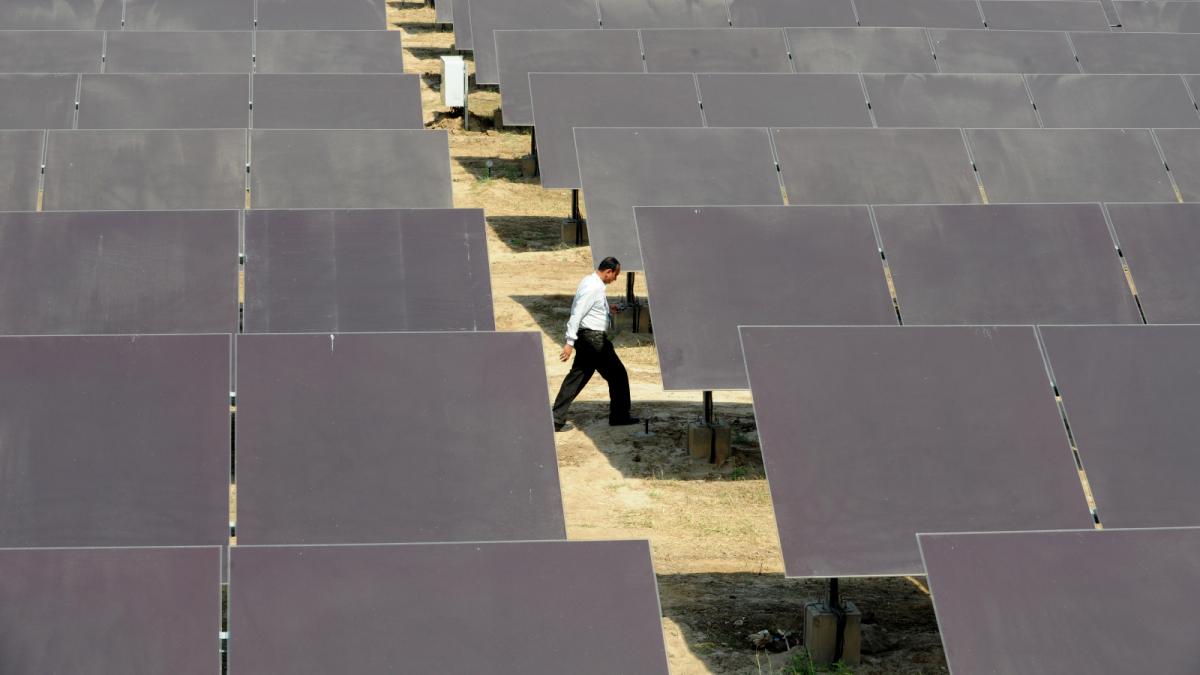
The two new analyses confirmed that 2025 was a banner year for renewable energy. Solar power was the single biggest source used to meet humanity’s growing appetite for electricity. New power generation from the broader suite of carbon-free sources — including wind, nuclear, and hydropower — actually exceeded the overall rise in electricity demand, meaning renewables began to displace fossil fuel sources. If this trend sticks, it would mean that the so-called energy transition meant to shepherd humanity out of the climate crisis is no longer theoretical.
“This was a year when the economy boomed, electricity demand grew very healthily — and still all that demand growth was met with renewables,” said Daan Walter, a lead researcher at Ember.
In 2025, renewables edged out coal in global electricity generation for the first time in more than a century. This progress was fueled by China and India, the world’s two most populous countries that together comprise 42 percent of global fossil power generation. The nations both saw electricity generated by fossil fuels fall in the same year for the first time this century. Like other countries around the world, China and India have been rapidly building out solar, wind, and battery infrastructure. (The cost of batteries fell 45 percent in 2025, an even steeper decline than the 20 percent drop in costs that analysts tracked in 2024.)
There’s another sign that 2025 marked a turning point in the energy transition, according to the Ember report: Unlike in past years, the plateau in fossil fuel use was not tied to a recession. Global economic growth last year was normal, which indicates that renewable energy is driving a structural trend away from fossil fuels when it comes to generating electricity.
But that doesn’t mean that oil, gas, and coal use are nearing extinction. When it comes to the broader energy economy, rather than just electricity generation, the IEA’s report finds that renewables still aren’t displacing fossil fuels fast enough to force a sustained decline in the world’s use of greenhouse-gas-emitting energy. (This is because not all energy — for instance that which currently powers jets, cargo ships, and many motor vehicles — is generated from electricity.)
As a result of complications like these, global carbon dioxide emissions reached a record high last year, rising 0.4 percent from 2024 levels. The pace of the increase, however, is declining as renewables rise. For years, emissions declines were driven by developed countries like the United States and European Union member states. Last year, however, emissions from advanced economies grew faster than emissions from developing countries for the first time since the 1990s, according to the IEA.
The trend reversal was driven by the U.S., where coal demand rose 10 percent last year. Rising natural gas prices prompted power producers to switch back to coal, which had been displaced by fracked natural gas in recent years. Plus, electricity use rose thanks to a harsh winter across much of the eastern part of the country, as well as the rollout of industrial-scale power customers like the data centers needed for new artificial intelligence applications.
But trends in the opposite direction in developing countries played a role, too. In Indonesia, for example, electric cars now comprise more than 15 percent of new car sales — a larger share than in the United States and up from virtually 0 percent in the early 2020s. Many customers are “leapfrogging” gasoline-powered cars altogether and purchasing an EV as their first vehicle.
“The energy transition was conceived as something that is led by the developed world, and the developing world kind of hobbles after at a slower pace,” said Walter. “We’re now seeing ‘leapfrogging’ across the world where actually developing economies are going faster in many ways than developed economies.”