Despite the backlash against ethanol in the U.S. and biodiesel in the E.U., global production of biofuels was up 17 percent in 2010. That's 27.7 billion gallons of liquid fuel for the year. (For reference, the U.S. uses 137 billion gallons of gasoline per year, though that's not directly equivalent because biofuels include biodiesel, and ethanol contains slightly less energy than regular gasoline.)
What's driving this bumper crop? High oil prices, "which encouraged several large fuel companies, including Sunoco, Valero, Flint Hills, and Murphy Oil, to enter the ethanol industry," according to the WorldWatch Institute. Same thing's happening in Brazil, where "drivers have switched to sugarcane ethanol because it is cheaper than gasoline."
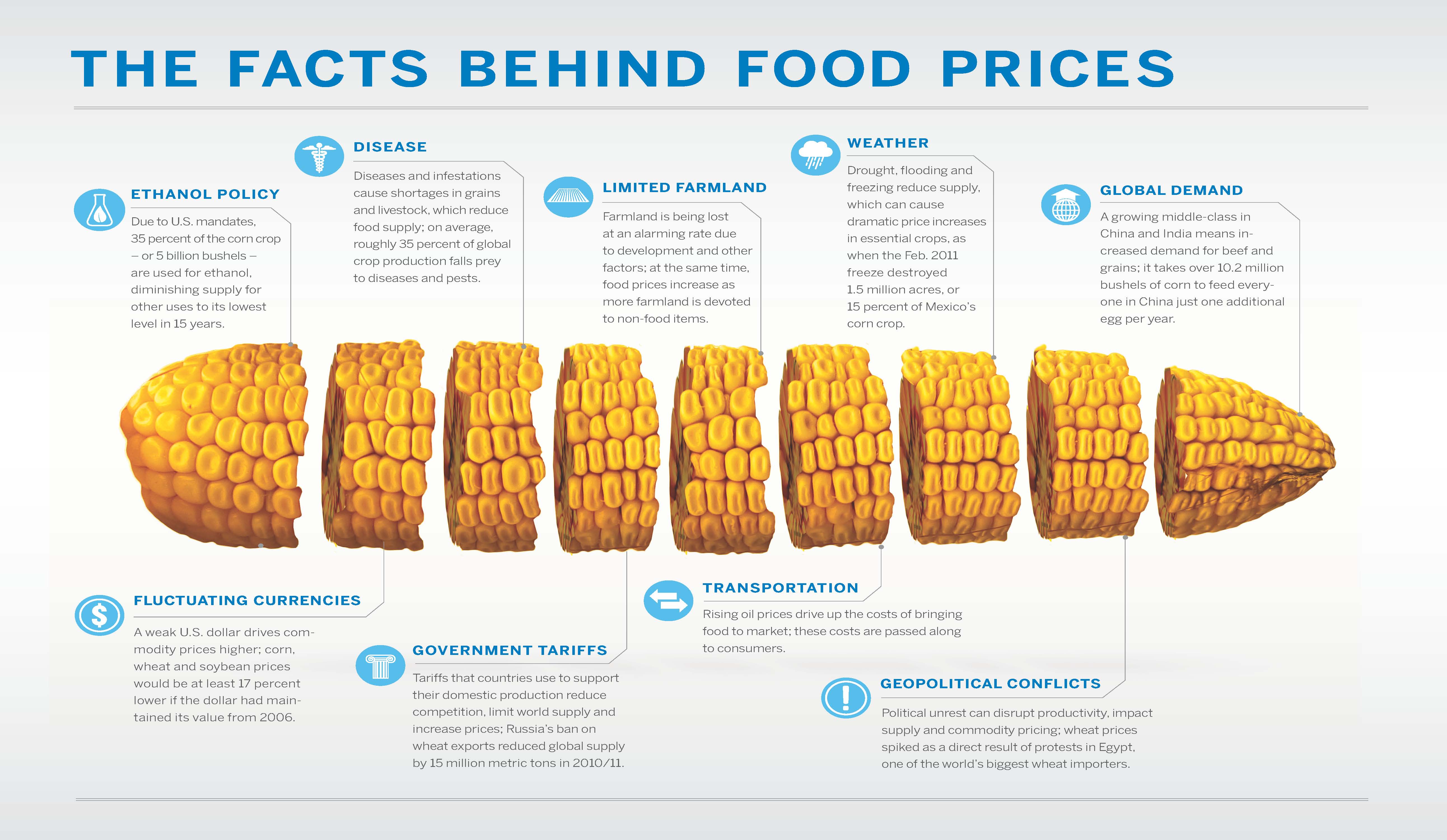
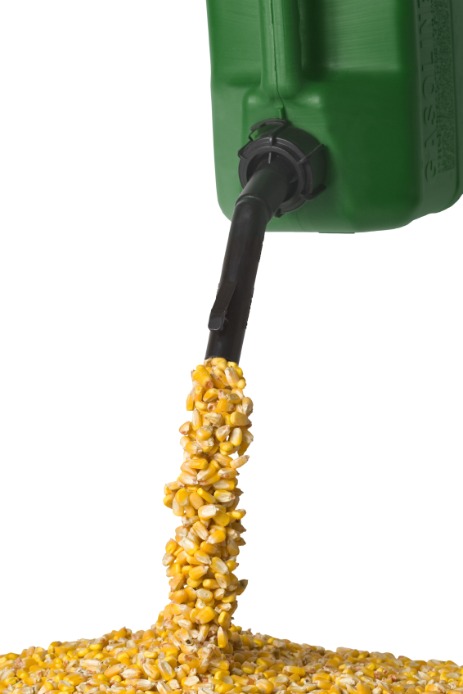
So is this a good thing? Most definitely not, as long as we insist on growing fuel with crops and land that are suitable for food. As of this summer, the U.S. is now using more corn for ethanol than for food. And our redirection of food calories into our gas tanks is a major factor driving up food prices worldwide.
But with the addition of some panda poop, who knows.
A message from
Your support keeps our climate news free.
Grist is the only award-winning newsroom focused on exploring equitable solutions to climate change. It’s vital reporting made entirely possible by loyal readers like you.
At Grist, we don’t believe in paywalls. Instead, we rely on our readers to pitch in what they can so that we can continue bringing you our solution-based climate news. Donate today to keep our site free.