👋 Hi, everybody! Now that we’ve cleared Labor Day, summer is officially winding down. The changing of the seasons is a time when I — and maybe others — think about the natural world and its ebbs and flows a little bit more than usual. This week, we’re sharing some thoughts on how the way we pay attention to nature, or don’t, seeps into things like culture and even vocabulary. We’ve also got some upcoming Gristy events to tell you about, some news about the future of climate research, and a special treat: a poem from a reader.
What we lose when nature fades from our everyday language
How often do you talk about nature? Do you have a name for the flowers, insects, or bodies of water that exist around you, wherever you live? How much do you notice, and care for, those living and nonliving things in what we call “the outdoors”?
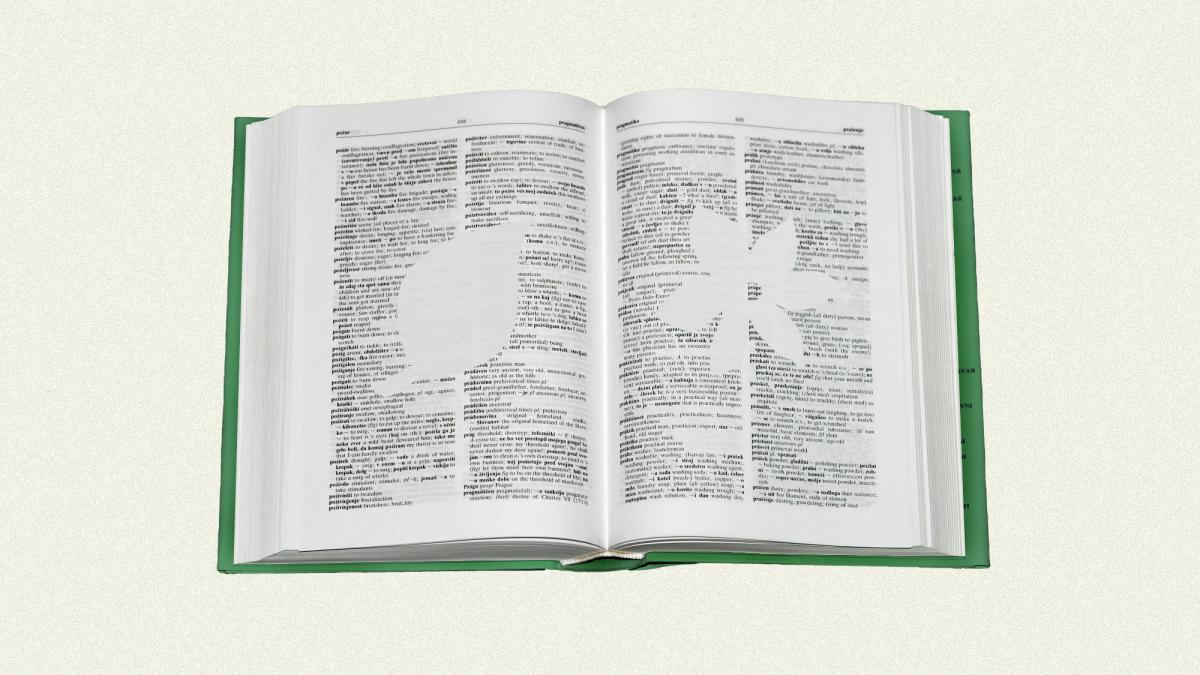
This week, my colleague Kate Yoder wrote about how nature has been slipping out of our vocabularies and culture, and what that says about our relationship with our environment. A recent study in the journal Earth looked at how frequently a set of broad, nontechnical nature-related terms (like “river,” “birds,” and “branches”) show up in English language books. The study found that use of these words has declined about 60 percent across published works over the past two centuries.
“These words reflect what people noticed, valued, and wrote about,” the study’s author, Miles Richardson, wrote in a blog post.
Richardson connected this trend to industrialization and urbanization, finding that the decline became more pronounced after around 1850. Essentially, as we began living in ways that separated us from nature, it became less and less present in what we read as well.
As Kate noted, this paper is one of many that show how elements of nature are fading or changing in our language and culture. A 2017 study examined how references to nature have been decreasing steadily in songs, fiction books, and movie plots since 1950. And a 2022 study looked specifically at changes in the words we use to describe trees — observing a general shift away from words that describe beauty and health toward ones about degradation or economic value.
“When nature disappears from culture, then all these opportunities to evoke appreciation for nature, respect for nature, interest in nature — those disappear,” said Pelin Kesebir, a social psychologist whom Kate interviewed for her story. It nods to a vicious cycle, wherein nature’s waning place in our culture, a symptom of our growing detachment, makes us even more detached.
Kate described the uproar several years ago when the Oxford Junior Dictionary, used in classrooms across the United Kingdom, replaced dozens of words related to the natural world (like “acorn” and “magpie”) with ones related to modern inventions (like “blog” and “chatroom”). One of the criticisms was that the dictionary has a duty to include “not just words that are used but words that should be used.” In other words, language need not only describe our diminishing relationship with nature, but might be part of how we repair it as well.
Earlier this year, I had the opportunity to interview Thor Hanson, author of Close to Home: The Wonders of Nature Just Outside Your Door. Observing and appreciating nature can start anywhere, he said. It could mean downloading an app like iNaturalist to learn a bit more about the flora and fauna in your area. It could mean planting a native pollinator garden, if you have the space. It could mean spending just a little more time noticing the birds in your city, and what they’re up to. (Residents’ observations of city bird behavior have even contributed to some pretty cool research.)
Humanity’s contrived separation from the natural world is a systemic issue — but, as Hanson emphasized to me, shifting cultural norms has a lot to do with shifting our own mindsets and behaviors. “The change needs to start with us,” he said. “It needs for us to believe that all of the individual actions that we take add up to make a difference. Because that is what changes the culture — it is the accumulation of individual decisions, individual people changing how they live.”
Read more:
- The words we use to talk about nature are disappearing. Here’s why that matters.
- The wildlife all around us is doing fascinating things. Are you noticing?
Share your thoughts
This spring, my husband and I made friends with a pair of crows that nested in a tree outside our house. We got used to seeing and hearing them pretty much every day — and they got used to the peanut snacks we would bring out whenever they cawed outside our door. We even got to watch the clumsy little fledgling leave the nest. It was so cool. What’s a fun encounter (or just a fleeting observation) you’ve had with wildlife where you live? Reply to this email to share.
More from Grist
🌽Food for thought
In the aftermath of devastating hurricanes — and a slow, inadequate federal aid response — Puerto Rican communities have devised their own systems for food security and resilience. This local food renaissance means residents are more prepared for future disasters, but there’s still concern that the current retreat of federal assistance will hamper their efforts. Read more
🔥Droning on
As the threat of wildfires grows in the American West, the Forest Service is experimenting with technological tools to usher in a new age of fire management — in particular drones, which can fly when it isn’t safe for helicopter pilots to do so, and can also help ignite controlled burns with something called a “dragon egg.” Read more
💧The mine next door
In rural Florida, residents are banding together to investigate possible radium contamination from a nearby mining giant. They’re also curious if wastewater discharge from the mining operations might have something to do with unexpectedly high flooding in the area. Read more
🌎And one more thing
Grist will be at Climate Week NYC this month! If you’ll be there as well, we’d love for you to join us for some exciting events. We’re partnering with Holes in the Wall Collective for a citywide scavenger hunt that runs all through September (more info on how to participate here) and a live event and ferry tour discussing the future of NYC waterways (tickets are available here). We’ll also be at The Marketplace of the Future — you can snag special discount passes to this world’s fair-style expo showcasing innovative solutions to climate change here, using the code WITHGRIST. Stay tuned for even more places you can find us at Climate Week NYC! We hope to see you there!
In other news
- U.S. climate scientists will contribute to international research efforts, even in the face of federal opposition to science (Inside Climate News)
- Domestically, a team of researchers is also working to revive the climate.gov website and the Fifth National Climate Assessment (CNN)
- Geothermal, especially in the West, is an underutilized energy source. What would it take to tap into it? (Mountain Journal)
- AI weather forecasting models are getting faster, more effective, and even require less computing power than traditional models (The Conversation)
- Want to take advantage of clean energy tax credits before they expire? This nonprofit is here to help. (Canary Media)
And finally, looking forward to …
… appreciating the simple beauty of nature. This week, we’re sharing a poem (of approximately drabble length) by longtime Grist reader Alex Siminoff. This short poem, titled “Butterfly,” fits the theme of this week’s newsletter pretty darn perfectly. You can check out more of Alex’s poetry at his Substack here.
🦋🦋🦋
A field of daisies
Sway side to side in the wind
Monarchs float with the breeze
Landing on the petal of a rare milkweed
The scent of lavender
Attracts a colony of bees hunting for a bloom
A buzzing community of happiness
Losing their habitat to supply ours
Butterflies take to the sky
Migrating in search of new homes
As their numbers dwindle every year
Our appreciation of their beauty grows
What’s love got to do
With the conservation of nature
— a poem by Alex Siminoff
🦋🦋🦋
Got a vision of your own to share? We would love to hear from you! Please send us your poems, drabbles, or general musings about our climate future anytime old at lookingforward@grist.org
👋 See you next week!