The clean energy industry has learned the hard way that having the law on your side doesn’t always mean you win.
Since taking office for his second term, President Donald Trump has attempted to delay or cancel dozens of wind and solar projects. These projects all underwent extensive reviews to secure federal approval, but the Department of the Interior and other agencies have frozen their permits for vague “national security” reasons, or with no explanation at all. These attacks have all but tanked the offshore wind industry and have led many developers to take payouts from the administration rather than fight for permits.
This attack is one big reason why solar and wind companies have been supportive of efforts in Congress to negotiate a bipartisan “permitting reform” bill. A group of senators reached a compromise earlier this month on a bill they call the Bipartisan American Affordability and Jobs Act. Lawmakers won’t vote on it until after the midterm elections, but the renewable energy sector has hailed it as a win. The bill would speed up environmental reviews for all kinds of energy projects, from transmission wires to oil pipelines, and it also contains a number of provisions that are designed to deter current and future presidents from blocking clean energy. Trump reportedly told aides just before the compromise became public that he would ease up on wind projects in order to reach a deal.
Cracks are already emerging in the deal. While the renewable energy industry has remained steadfast in its support of the bill, a number of experts and key climate advocates are arguing that the “project certainty” provisions would do little to prevent Trump or another president from blocking solar farms and offshore wind turbines. The Trump administration itself threatened the compromise bill this week when it announced that it would review three permits for wind farms off the Atlantic Coast, including one that is already up and running.
“The administration’s action against [the wind projects] just further demonstrates the lengths they will go to to obstruct clean energy progress, especially offshore wind,” said Elizabeth Klein, who led the Bureau of Ocean Energy Management, which oversees offshore wind permits, under former president Joe Biden.
The project certainty portion of the Senate bill has two key parts. First, it declares that the federal government “shall not take any new action that would revoke, rescind, withdraw, terminate, suspend, amend, or alter” a project that has already received a permit. This is just a forceful restatement of the status quo, since permits that are issued aren’t supposed to be canceled for no reason. But the bill goes further by offering companies two main remedies if the government does take such prohibited actions.
One is the reinstatement of the permit — which is somewhat redundant. Judges have already shot down the Trump administration’s past attempts to stop wind projects, but the administration is still seeking to revoke those permits. If the bill passes, all the courts would be able to do is to order it in stronger terms to restore them.
The other remedy is a cash payout. The courts would be able to order the government to refund a project developer between 25 and 50 percent of the costs of their project, which for a big offshore wind farm could reach well into the billions. The money would come from the Judgment Fund, a bank account the federal government uses to pay out legal settlements. This fund typically disburses around $2 billion in settlements per year, and successful claims under the permitting bill could lead to a big spike in payouts.
The other key part of project certainty in the bill is an anti-discrimination clause that would ban “disparate treatment” of any particular energy source, whether it’s solar panels or coal plants. If a wind developer found evidence that the government denied them permits as part of an anti-wind pattern, they could present that evidence to a judge. If persuaded, the judge would then order the government to restore the permit and pay the developer the entire construction cost of the wind farm — albeit only if the developer finished building it.
Supporters of the bill argue that the promise of financial relief would help lure investors back to the renewable energy industry, which has been in turmoil under Trump. This is most important for offshore wind. Big companies like Ørsted and Equinor spent billions of dollars to build wind farms in the Atlantic under the Biden administration, but their costs ballooned after the pandemic snarled their supply chains and Trump tried to destroy their existing projects. These companies now view the United States as uninvestable, but Northeastern states still need a lot more offshore wind in order to meet their climate goals.
The cash payout provision is supposed to help make the U.S. seem like a less risky place to invest. The American Clean Power Association, a trade group representing wind and solar developers, said in its analysis of the bill that “greater certainty lowers financing risk before construction and reduces the chance that years of development and investment will be stranded by a later policy reversal.”
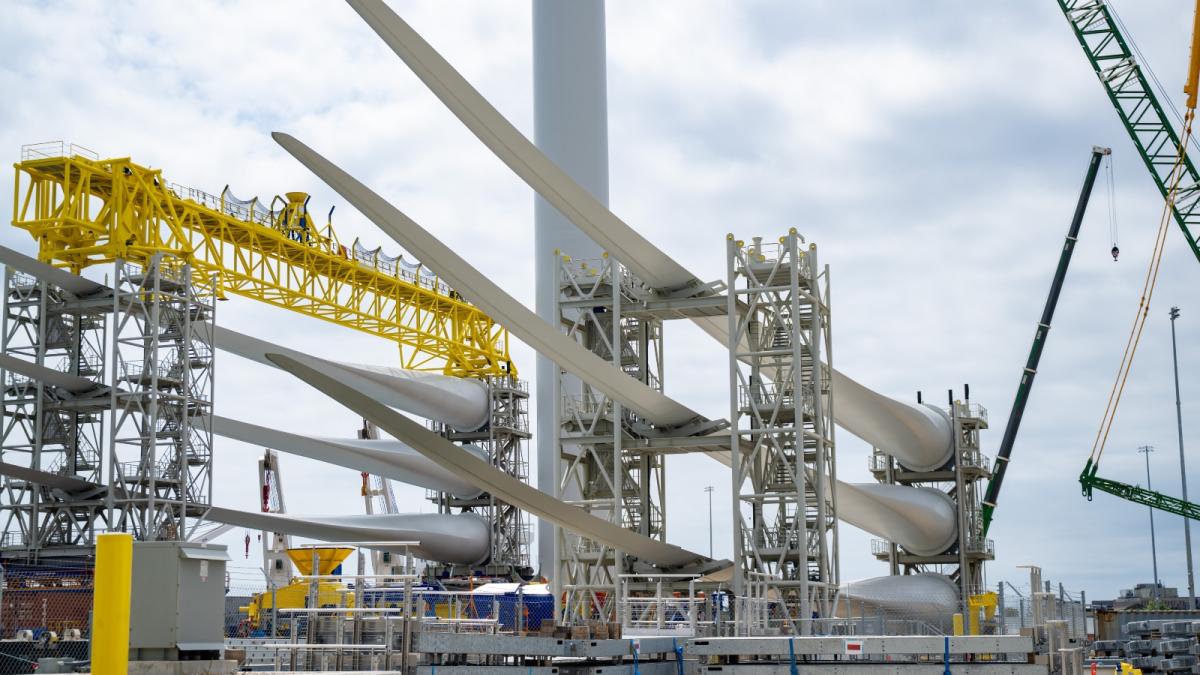
While the promise of reimbursement from the federal government would be good news for investors, it’s not clear that it would actually lead to more clean energy getting built. Opponents of the permitting reform bill point out that Trump has already been paying to stop renewable power plants from being built, albeit on a smaller scale. The president has worked out several deals to buy back offshore wind leases from energy developers in exchange for those developers committing to build a fossil fuel project elsewhere. These arrangements are being challenged in court, but in the meantime they function as repayments for leases that Trump intended to block.
The project certainty “provisions are unlikely to deter the Trump Administration from continuing to mess with clean energy permits, since this administration has shown an eagerness to use the public’s money to advance its own policy goals,” said Matthew Littleton, a former attorney at the U.S. Department of Justice who worked on environmental law issues.
Littleton also points out that the anti-discrimination provision may not work as intended. The baseline for calculating “disparate treatment” is the average pace of project approvals over the most recent five years. By the time Trump leaves office, he will have spent four years permitting oil and gas projects while delaying almost all major solar and wind efforts. This baseline would prevent wind developers from making a discrimination claim — while also preventing a future president from walking back support for new oil and gas.
As if to highlight these risks, the White House has said in court filings over the past week that it is seeking to rescind permits for three offshore wind projects on the Atlantic Coast. One of these projects, the 700-megawatt Revolution Wind, is already complete and delivering power to Rhode Island, while the other two are still in the early stages. In each filing, the government has said only that it seeks to “reevaluate … compliance” with federal law.
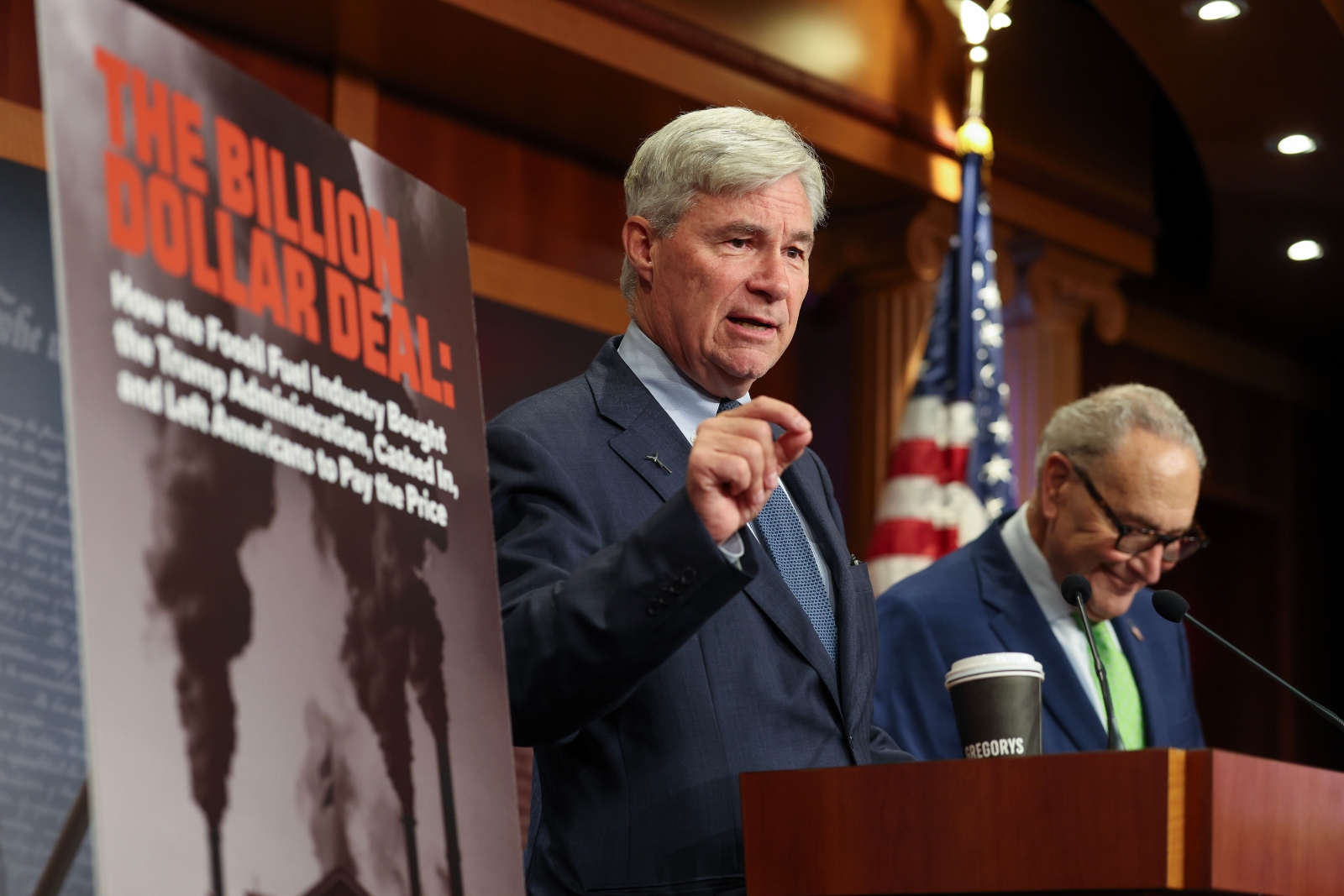
Over the past year, Democratic negotiators in the Senate have said that this sort of behavior would jeopardize any bipartisan deal. Senator Sheldon Whitehouse of Rhode Island, one of the authors of the bill, said in the spring that he would not endorse a compromise bill unless the administration stopped blocking wind farms. This week he appeared to change tack, and described the move against Revolution Wind as another reason to pass the bill. “Frankly, we need to get permitting certainty in law, and this proves it,” he said in a statement.
The bill would in fact offer financial protection to a company like Ørsted, ensuring that a president could not wreck billions of dollars worth of investment with no justification at all. The question is whether it could end the government’s prejudicial assault against offshore wind.The answer could determine how millions of people in the Northeast keep their lights on and heat their homes, and right now, it’s up in the air.