Earlier this month, after a series of stops and starts, the U.S. Department of Agriculture announced changes to a long-running program that is supposed to help farmers and rural small businesses stand up renewable energy projects.
The new rules, set to go into effect today, October 16, effectively make any solar power development ineligible for funding through the Rural Energy for America Program, or REAP. It’s the latest of multiple rollbacks by the second Trump administration that advocates say are essentially making the program unusable.
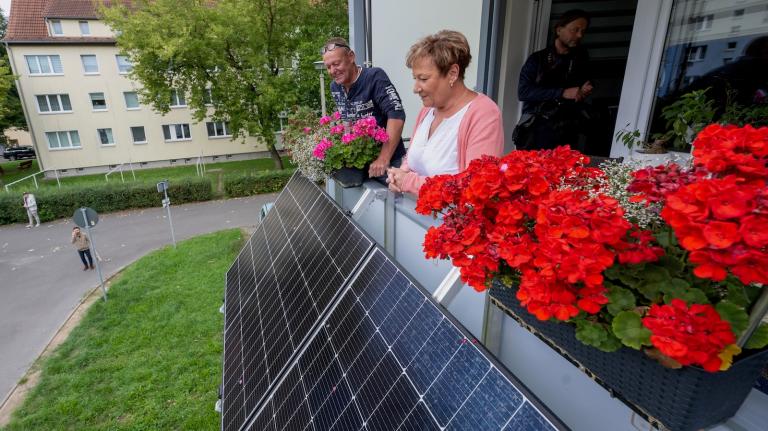
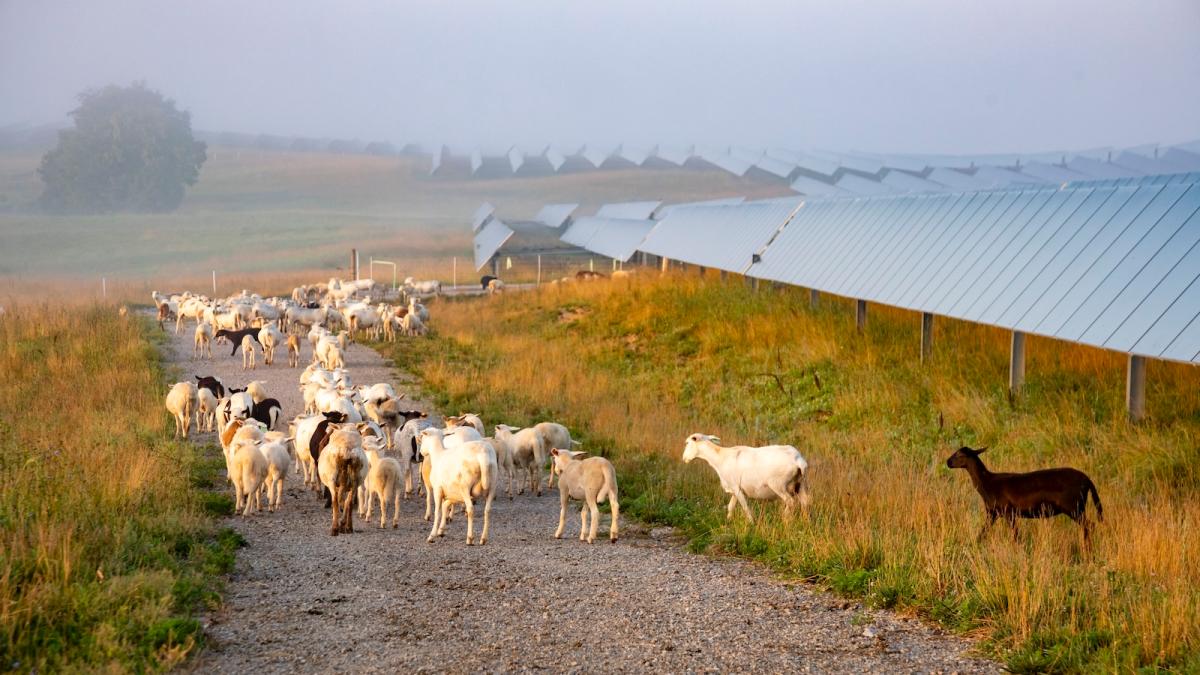
Installing solar systems on farmland can cost tens of thousands of dollars upfront, which many agricultural producers may not have or may be reluctant to spend, given their low profit margins. REAP has long provided financial support to farmers to build out renewable energy systems on their land.
These projects often provide multiple benefits to participants. First, they can help lower utility bills ... Read more