Trees, be warned: the process of photosynthesis — once the exclusive domain of nature — has just been not only co-opted but upgraded by Harvard scientists.
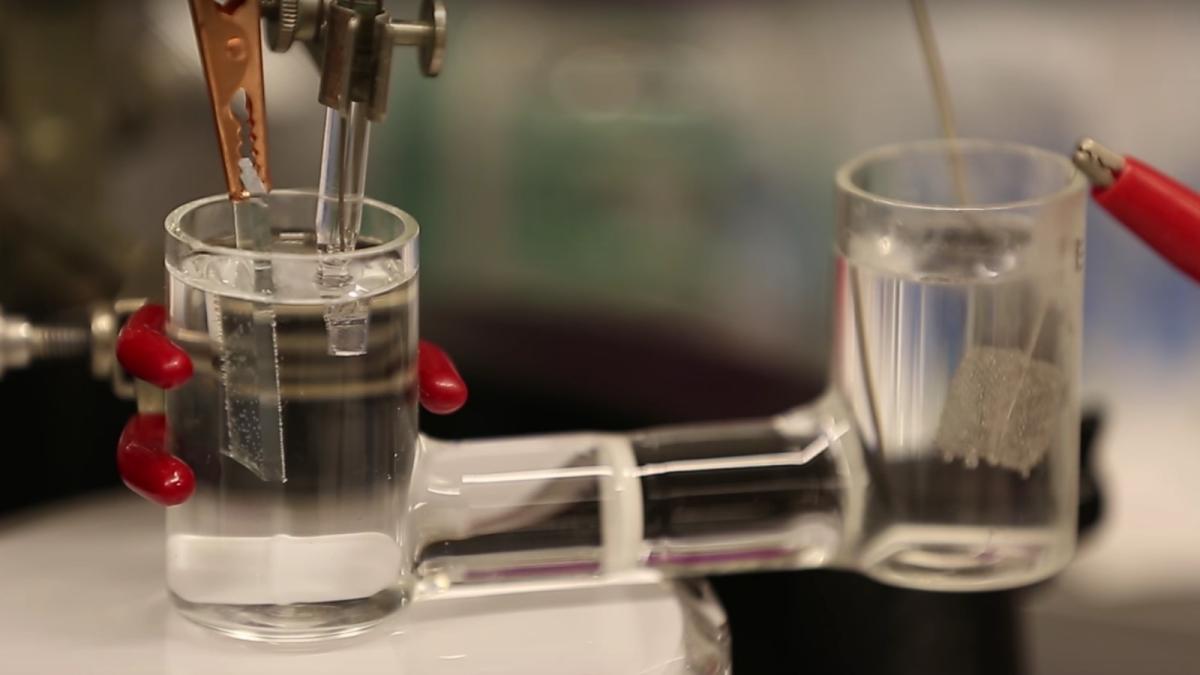
The team, led by professor of energy Daniel Nocera, has created a new-and-improved version of a system that converts solar energy into fuel at a rate 10 times more efficient than the fastest-growing plants. It is called the “Bionic Leaf 2.0.”
The “leaf” uses solar energy to split water into oxygen and hydrogen, explains Nocera. Engineered microbes eat the hydrogen to convert carbon dioxide into liquid fuel for transportation or conversion into more mainstream fuels.
In 2015, Nocera and Pamela Silver, professor of biochemistry and systems biology at Harvard Medical School, debuted the first bionic leaf. Though it successfully converted sunlight into liquid fuel (aka isopropanol, for you nerds out there), that version used a hydrogen-making catalyst that also ended up screwing with the microbes’ DNA. The result: a much less impressive conversion rate of CO2 to energy.
“[The Bionic Leaf 2.0] is an important discovery,” Nocera said in a press release. “It says we can do better than photosynthesis.”
So much better, in fact, that the team believes that its new invention can already be considered for commercial use. Nocera plans to look for ways to use it in developing countries as a cheap source of clean energy.
A future full of robot trees that create fuel for everyone? Doesn’t sound like the worst thing in the world.