Climate Food and Agriculture
Climate + Food and Agriculture
EDITOR’S NOTE
Grist has acquired the archive and brand assets of The Counter, a decorated nonprofit food and agriculture publication that we long admired, but that sadly ceased publishing in May of 2022.
The Counter had hit on a rich vein to report on, and we’re excited to not only ensure the work of the staffers and contractors of that publication is available for posterity, but to build on it. So we’re relaunching The Counter as a food and agriculture vertical within Grist, continuing their smart and provocative reporting on food systems, specifically where it intersects with climate and environmental issues. We’ve also hired two amazing new reporters to make our plan a reality.
Being back on the food and agriculture beat in a big way is critical to Grist’s mission to lead the conversation, highlight climate solutions, and uncover environmental injustices. What we eat and how it’s produced is one of the easiest entry points into the wider climate conversation. And from this point of view, climate change literally transforms into a kitchen table issue.
Featured
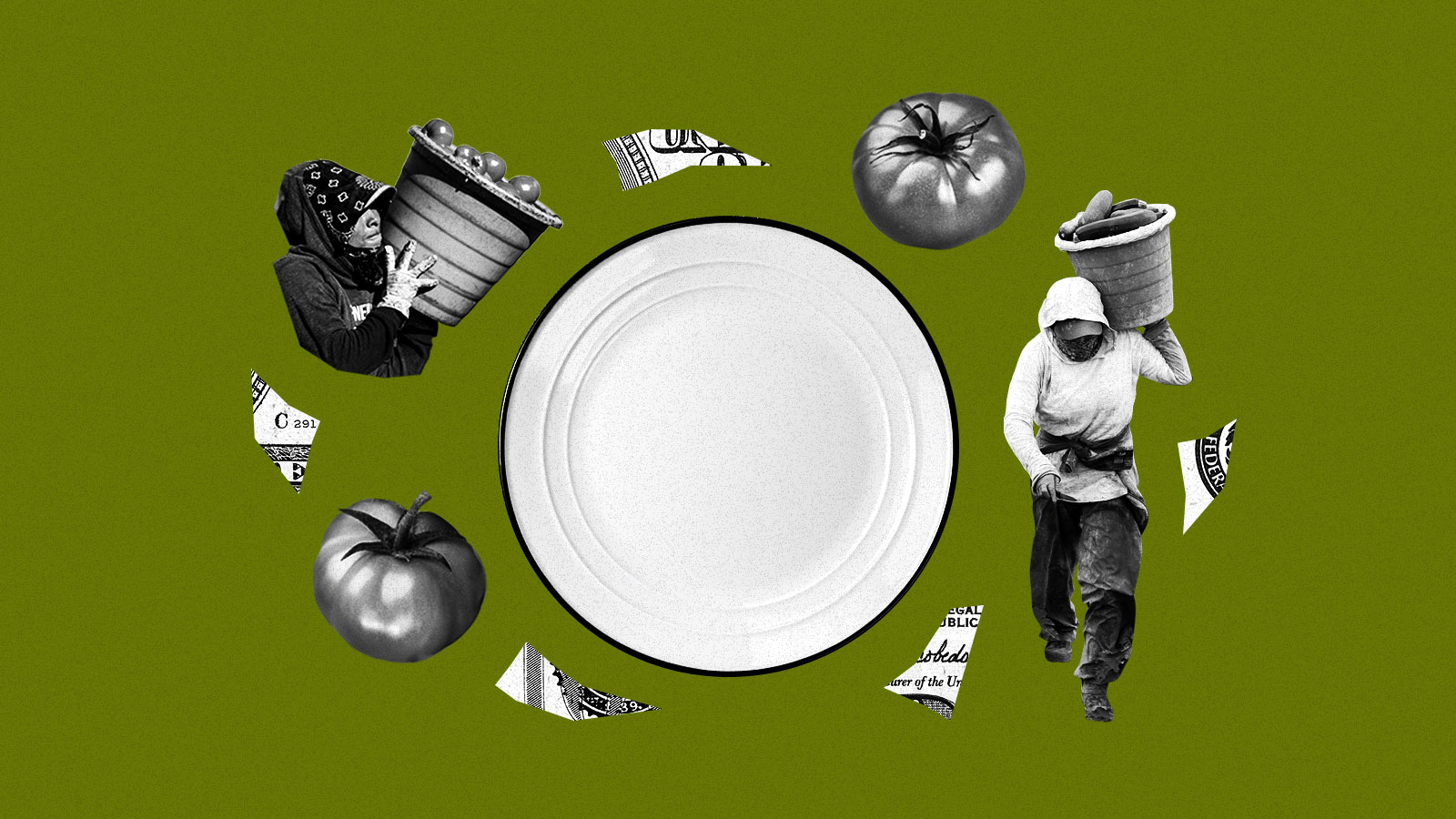
The people who feed America are going hungry
Climate change is escalating a national crisis, leaving farmworkers with empty plates and mounting costs.
Latest Articles
-
![]()
![]()
The little county that could get California to rethink methyl iodide
Could Monterey County influence the statewide discussion about this toxic fumigant before it goes into large-scale use? Some advocates are counting on it.
-
Go ahead, eat McDonald’s. Nobody will ever know
[vodpod id=ExternalVideo.1010447&w=425&h=350&fv=] I’m told, by people with less finicky stomachs, that sometimes even the most well-intentioned foodies and factory-farm opponents really jones for an Egg McMuffin. If you can’t resist the occasional splurge — maybe it’s been a late and smokey night at college, if you know what I mean — then at least you […]
-
American beef consumption is at a 50-year low
According to this graph from the Daily Livestock Report, we are way past Peak Beef. U.S. beef consumption has been dropping for the last 40 years, and projections put it back down at 1950s levels this year, which would mean we're eating less meat than at any time in the last 50 years. Americans are eating a lot less meat overall, but beef and to a lesser extent pork have seen the biggest reductions -- which is cool, because cattle and pigs are the most resource-intensive livestock.
-
Meating halfway: Americans opt for less
The good news: Americans are consuming less meat. The bad news: The meat industry is still a terrible place to work.
-
One day you will play a video game with a pig
As any Portlandia fan knows, ethical meat-eaters don't just want their food to be humanely raised and humanely slaughtered. They also want it to have had a happy life. And it turns out that what makes pigs have a happy life is video games. Seriously -- pigs like to snuffle at flashing lights, which is basically Galaga. Accordingly, ethical farming researchers at Wageningen University are working with designers from the Utrecht School of the Arts to develop a human/pig interactive gaming app. The game, called Pig Chase, is designed to relieve some of the tedium of being a pig on a farm -- bored pigs aren't just a bummer for Portlandia food snobs, they're also more cranky and aggressive.
-
![]()
![]()
Five packaged foods you never need to buy again
Did you resolve to eat fewer processed foods in 2012? Not sure where to start? Once you've made the switch with these basics, you may never go back.
-
Hostess Brands is going bankrupt
Have we, as a country, grown beyond Ding-Dongs? After posting a $341 million net loss last fiscal year, Hostess Brands, maker of iconic grody lunchbox snacks and hyper-bleached sandwich bread, is filing for bankruptcy.
-
A fork in the road for Slow Food
While the leadership of Slow Food USA has been working to broaden its audience and incorporate more advocacy and food access work, a vocal group of critics inside the movement accuses the group of straying too far from the kitchen.
-
![]()
![]()
The next generation of GMOs could be especially dangerous
The next wave of genetic engineering uses microRNA to control pests on industrial farms. But new research out of China shows it could have adverse health effects for human digestion.
-
![]()
![]()
Why the 2012 Farm Bill is a climate bill
The Environmental Working Group says climate change activists should be concerned about proposed cuts to farm bill conservation programs, which would be the carbon-emissions equivalent of adding 2 million cars a year to America's roads.