Climate Food and Agriculture
Climate + Food and Agriculture
EDITOR’S NOTE
Grist has acquired the archive and brand assets of The Counter, a decorated nonprofit food and agriculture publication that we long admired, but that sadly ceased publishing in May of 2022.
The Counter had hit on a rich vein to report on, and we’re excited to not only ensure the work of the staffers and contractors of that publication is available for posterity, but to build on it. So we’re relaunching The Counter as a food and agriculture vertical within Grist, continuing their smart and provocative reporting on food systems, specifically where it intersects with climate and environmental issues. We’ve also hired two amazing new reporters to make our plan a reality.
Being back on the food and agriculture beat in a big way is critical to Grist’s mission to lead the conversation, highlight climate solutions, and uncover environmental injustices. What we eat and how it’s produced is one of the easiest entry points into the wider climate conversation. And from this point of view, climate change literally transforms into a kitchen table issue.
Featured
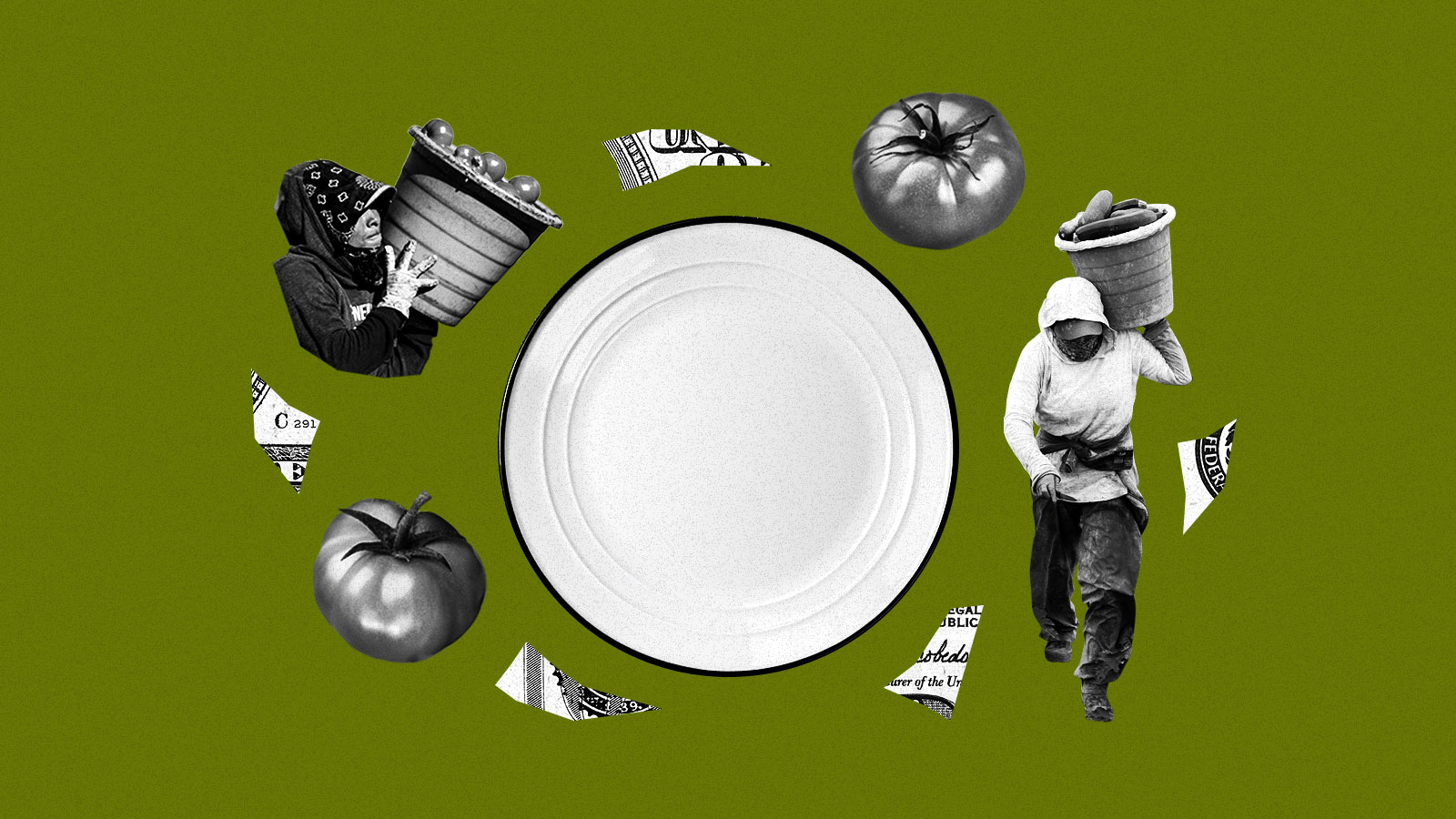
The people who feed America are going hungry
Climate change is escalating a national crisis, leaving farmworkers with empty plates and mounting costs.
Latest Articles
-
![]()
![]()
Grass is good: Natural meats benefit the economy and family farms
Graham Meriweather's new documentary American Meat celebrates American farmers and their efforts toward a more sustainable food system.
-
![]()
![]()
More farmers markets mean more jobs
The U.S. now has 7,175 farmers markets, up 17% from last year. Those markets and the local food systems behind them could generate a lot of jobs.
-
![]()
![]()
Perennial Plate: The story so far [VIDEO]
The Perennial Plate hits the halfway point in a journey across America in search of real food. Watch a recap of our adventures.
-
![]()
![]()
Moms rally to defend raw food club after federal raid
After members of California's Rawesome Food Club were thrown in jail, raw-food proponents, many of them mothers, are uniting in their defense.
-
![]()
![]()
How we can eat our way out of the seafood crisis
Acclaimed chef and sustainable seafood champion Barton Seaver explains why saving the oceans means eating more vegetables, sardines, and farm-raised shellfish.
-
![]()
![]()
Organic chicken farms have fewer drug-resistant bacteria
When poultry farms switch from conventional to organic farming practices, they almost immediately start seeing way fewer drug-resistant bacteria.
-
![]()
![]()
36 million pounds of proof that our food safety system is broken
The salmonella-tainted-turkey disaster that has sickened 77 people and killed one proves that the government's approach to regulating disease-causing pathogens like salmonella and E. coli in food simply doesn't work.
-
![]()
![]()
Why the meat industry sells salmonella
Last week, the latest massive food safety recall hit the news -- 36 million pounds of ground turkey possibly tainted with salmonella, courtesy of meat giant Cargill. Some media outlets reported that it's currently legal to sell salmonella-tainted meat. While the meat industry might like it that way, that's not the entire story.
-
![]()
![]()
Healthy eating is hard but not impossible for low-income Americans
There's a new study out purporting to show that healthy eating is a privilege of the rich. But it's possible to eat well on a tight budget, and it would be easier if we put smart policies in place.
-
![]()
![]()
Cheap Twix: Junk food offers more calories for your cash
Want more proof of the link between poverty and obesity? Check out an infographic illustrating how empty calories are cheaper than nutritious ones.