Climate Food and Agriculture

Climate + Food and Agriculture
EDITOR’S NOTE
Grist has acquired the archive and brand assets of The Counter, a decorated nonprofit food and agriculture publication that we long admired, but that sadly ceased publishing in May of 2022.
The Counter had hit on a rich vein to report on, and we’re excited to not only ensure the work of the staffers and contractors of that publication is available for posterity, but to build on it. So we’re relaunching The Counter as a food and agriculture vertical within Grist, continuing their smart and provocative reporting on food systems, specifically where it intersects with climate and environmental issues. We’ve also hired two amazing new reporters to make our plan a reality.
Being back on the food and agriculture beat in a big way is critical to Grist’s mission to lead the conversation, highlight climate solutions, and uncover environmental injustices. What we eat and how it’s produced is one of the easiest entry points into the wider climate conversation. And from this point of view, climate change literally transforms into a kitchen table issue.
Featured
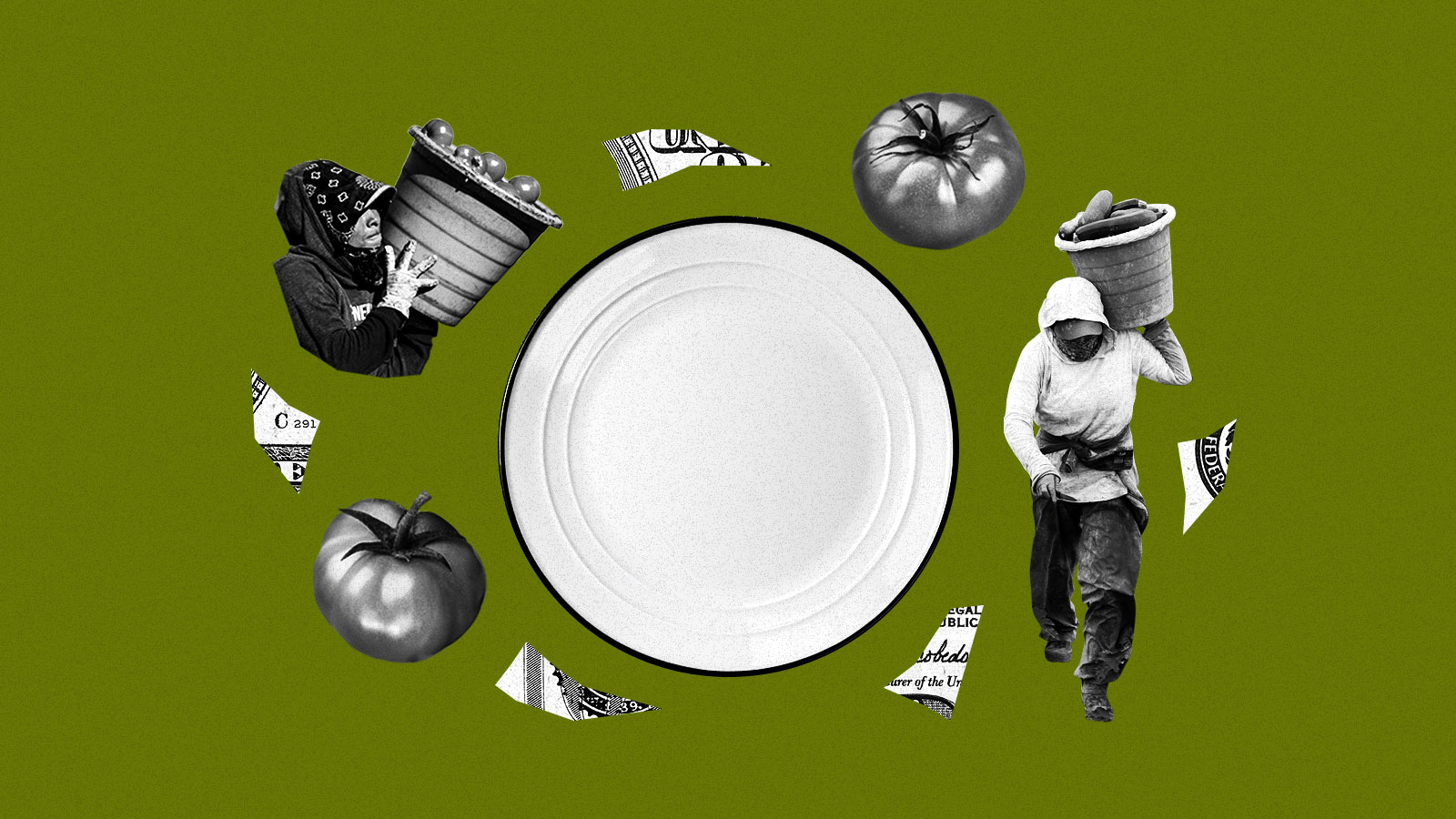
The people who feed America are going hungry
Climate change is escalating a national crisis, leaving farmworkers with empty plates and mounting costs.
Latest Articles
-
![]()
![]()
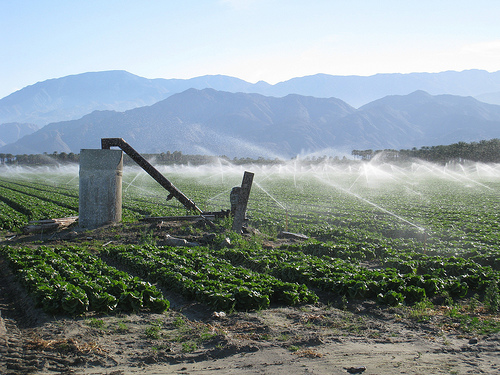
Where Westlands water flows, California’s agriculture follows
What's happening in California's Westlands Water District provides a sneak peek at the problems that farmers all over the world will soon confront.
-
![]()
![]()
Is Taco Bell's beef 'filler' the healthiest thing it sells?
As Grist's Tom Laskawy reported earlier today, an Alabama law firm is suing Taco Bell in order to force the company to stop labeling the contents of its Crunchy Tacos as "beef." The firm says their own tests revealed the tacos are only 35 percent beef -- the rest is filler! Not surprisingly, Taco Bell has called the firm a pack of lying liars, sort of. Here's the official response.
-
![]()
![]()
Taco Bell 'beef': mostly not beef [UPDATED]
A class-action lawsuit claims that Taco Bell puts too much filler in its beef products to legally call it beef.
-
![]()
![]()
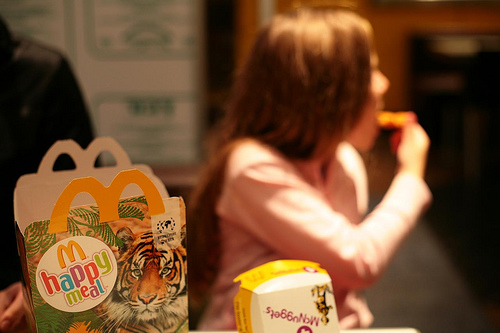
Why the Happy Meal is a crime — and not just a culinary one
Strong scientific evidence suggests that marketing to children under age 8 is "inherently deceptive." Deceptive advertising is illegal. Therefore ...
-
![]()
![]()
Welcome to the food deserts of rural America
How is it possible that people in farm country have a hard time finding food? In short, food deserts are complicated.
-
![]()
![]()
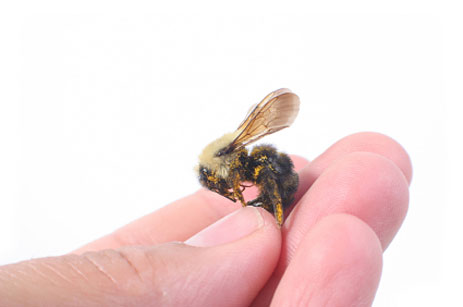
Top USDA bee researcher also found Bayer pesticide harmful to honeybees
Remember the case of the leaked document showing that the EPA's own scientists are concerned about a pesticide it approved that might harm fragile honeybee populations? Well, it turns out that USDA researchers also have good evidence that these nicotine-derived chemicals could be playing a part in Colony Collapse Disorder. So why on earth are they still in use on millions of acres of American farmland?
-
![]()
![]()
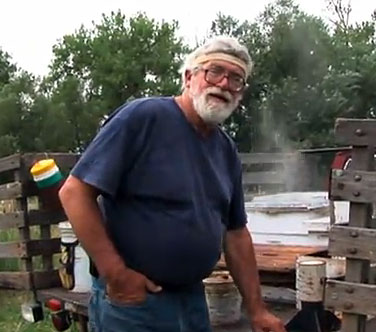
The beekeeper who kicked the EPA's nest speaks [VIDEO]
We have Tom Theobald to thank for the leaked EPA documents revealing the bee-killing potential of clothianidin, a widely used pesticide. He tells his story in a new video.
-
![]()
![]()
Beware the water cowboys
The water wars are usually about supply and demand. But across the country, financially challenged communities are being aggressively courted -- including by Goldman Sachs! -- to sell or lease their drinking water and wastewater utilities to private companies.
-
![]()
![]()
Reflections on community gardens and the legacy of MLK
We don't do King's memory justice unless we acknowledge that his work was profoundly unfinished. The class divide he feared has persisted and, in fact, grown more powerful. Perhaps most insidiously, that divide has entrenched itself in our food system.
-
![]()
![]()
USDA releases new nutritional guidelines for school meals
The fight over the federal school lunch program is really a question of social justice for our times. Do the disadvantaged children for whom the program was designed deserve the chance to eat the same quality food as children from families who can afford to shop at a farmers market?