Climate Food and Agriculture
Climate + Food and Agriculture
EDITOR’S NOTE
Grist has acquired the archive and brand assets of The Counter, a decorated nonprofit food and agriculture publication that we long admired, but that sadly ceased publishing in May of 2022.
The Counter had hit on a rich vein to report on, and we’re excited to not only ensure the work of the staffers and contractors of that publication is available for posterity, but to build on it. So we’re relaunching The Counter as a food and agriculture vertical within Grist, continuing their smart and provocative reporting on food systems, specifically where it intersects with climate and environmental issues. We’ve also hired two amazing new reporters to make our plan a reality.
Being back on the food and agriculture beat in a big way is critical to Grist’s mission to lead the conversation, highlight climate solutions, and uncover environmental injustices. What we eat and how it’s produced is one of the easiest entry points into the wider climate conversation. And from this point of view, climate change literally transforms into a kitchen table issue.
Featured
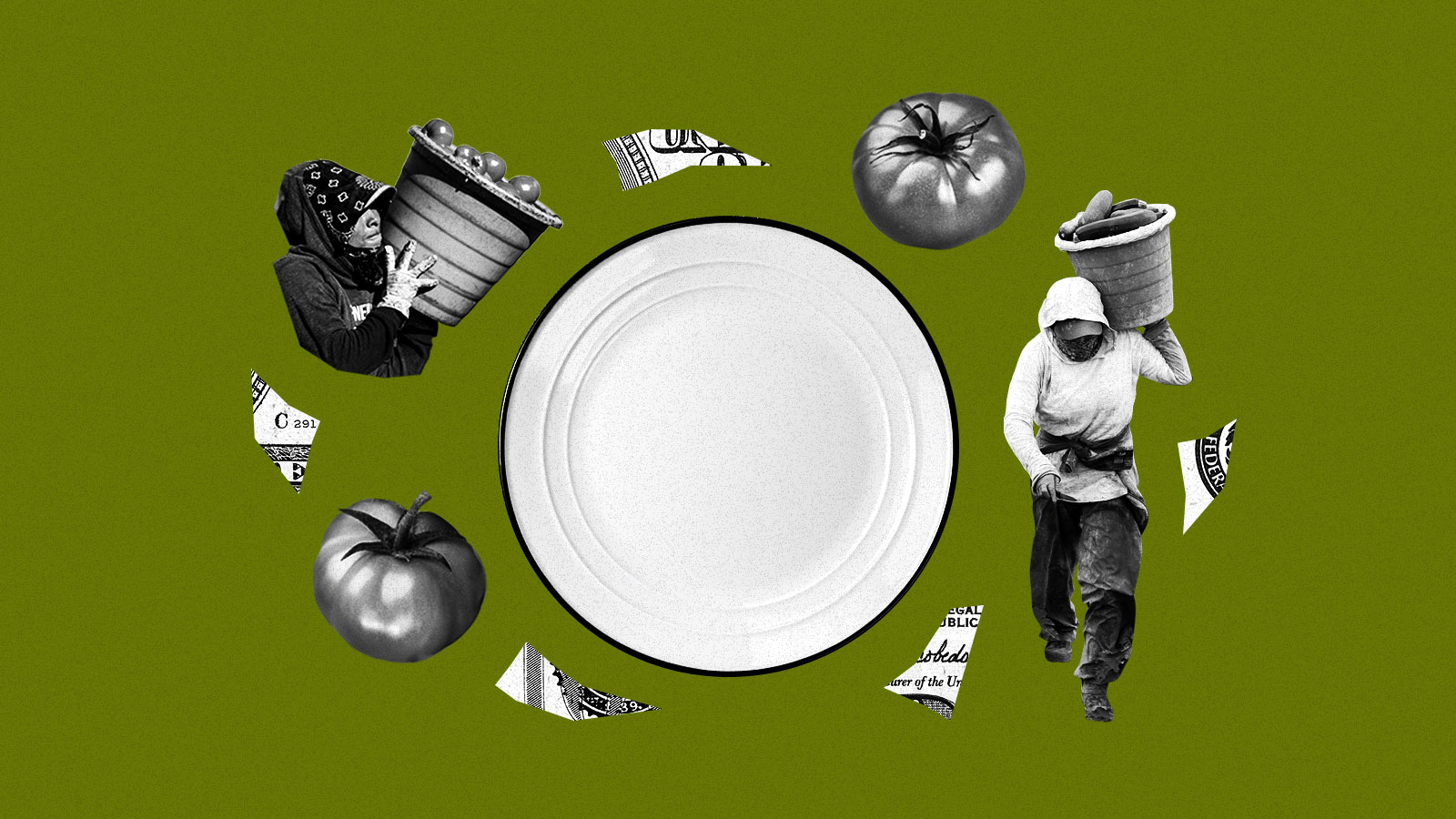
The people who feed America are going hungry
Climate change is escalating a national crisis, leaving farmworkers with empty plates and mounting costs.
Latest Articles
-
![]()
![]()
Monsanto targets public radio to spread false biotech messages
Editor’s note: This post originally focused on NPR; but we’ve since found that the Monsanto ads run on Marketplace, produced by American Public Media, which isn’t directly affiliated with NPR. We regret the confusion. —————- Monsanto’s ad blitzFor years my alarm has been set to public radio so I can lie in bed for five […]
-
![]()
![]()
Drought, fish, and our fruit-and-veg problem
High and dryIn the United States, when people say “eat your veggies,” they are essentially urging you to take a bite out of California — or, more to the point, take a a big swig of its increasingly scarce water supply. How much do we rely on California for fruits and veg? With its rich […]
-
![]()
![]()
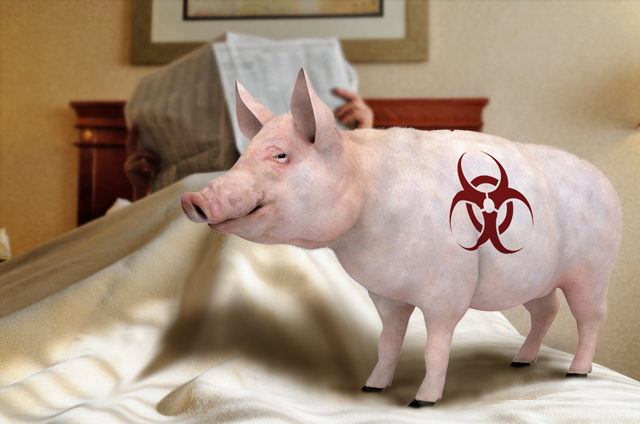
Another symptom of swine flu: instant amnesia
Photo illustration by Tom Twigg / Grist Swine flu: how very two weeks ago. Sure, H1N1 transmission is “still on the upswing” in the United States, and the World Health Organization warned that as much of a third of the globe’s population could eventually catch it, Reuters reported last week. But the disease is turning […]
-
Resistance grows to increasing the amount of ethanol in gasoline
The ethanol lobby may still be reeling in the subsidies, but it doesn’t seem to be having any luck dealing with their other obsession, the so-called “blend wall,” i.e. the legally prescribed limit to the amount of ethanol that can be mixed into gasoline. The NYT has a nice summary of the mounting scientific and […]
-
![]()
![]()
Uncomfortable facts about the swine flu outbreak
You’re testing my patienceDon’t associate U.S. pork with the swine flu outbreak — you can’t catch it through pork. Plus, no pigs on U.S. CAFOs are infected with it. That’s message the industry and the USDA are straining to get across, anyway. Except … you can catch swine flu from pork, according to the World […]
-
![]()
![]()
In the lush dirt of Iowa, community grows alongside veggies
ZJ Farms: Everyone’s a farmhandI had the pleasure the other day of visiting ZJ Farms, the anchor of Local Harvest CSA, which is one of the biggest in the area. Farmer (and pillar of the local food scene hereabouts) Susan Jutz has been running this organic farm for all the years I’ve been buying food […]
-
![]()
![]()
A terrific NYT piece on Smithfield and the globalization of pork
On Wednesday, The New York Times ran a terrific, long article — one that reporters had clearly worked on for a long time — on Smithfield Foods’ rapid transformation of hog farming in Eastern Europe. The article documents how the Virginia-based pork giant has squashed small-scale hog farming in Romania and Poland, just as it […]
-
![]()
![]()
Smithfield: don’t worry, we’re testing our Mexican hogs for swine flu
For a lobbyist working the Hill on behalf of an industry, the gold standard is self-regulation. No need to send in inspectors — we’ll test our process to ensure that it doesn’t pollute. Trust us! Astonishingly, pork giant Smithfield Foods has evidently managed to arrange just such a testing regime with regard to its hog-rearing […]
-
![]()
![]()
Barack gives biofuels the big thumbs up
[Update: While some may think this decision was a win for corn ethanol, House Ag Committee Chair Collin Peterson clearly does not. In fact, he is seriously ticked off about it. According to CongressDaily, Peterson responded to the indirect land use ruling as follows: “You are going to kill the biofuels industry. You are in […]
-
![]()
![]()
Sludge, farmer’s friend or toxic slime?
Should what we put down our sewers ultimately wind up back on our plates?Marc Samsom via Flickr Urine, feces, menstrual blood, hair, fingernails, vomit, dead skin cells. Industrial chemicals, pharmaceuticals, soaps, shampoos, solvents, pesticides, household cleansers, hospital waste. Sewage sludge, the viscous brown gunk left over when wastewater is treated, is more than just poop: […]