Climate Food and Agriculture

Climate + Food and Agriculture
EDITOR’S NOTE
Grist has acquired the archive and brand assets of The Counter, a decorated nonprofit food and agriculture publication that we long admired, but that sadly ceased publishing in May of 2022.
The Counter had hit on a rich vein to report on, and we’re excited to not only ensure the work of the staffers and contractors of that publication is available for posterity, but to build on it. So we’re relaunching The Counter as a food and agriculture vertical within Grist, continuing their smart and provocative reporting on food systems, specifically where it intersects with climate and environmental issues. We’ve also hired two amazing new reporters to make our plan a reality.
Being back on the food and agriculture beat in a big way is critical to Grist’s mission to lead the conversation, highlight climate solutions, and uncover environmental injustices. What we eat and how it’s produced is one of the easiest entry points into the wider climate conversation. And from this point of view, climate change literally transforms into a kitchen table issue.
Featured
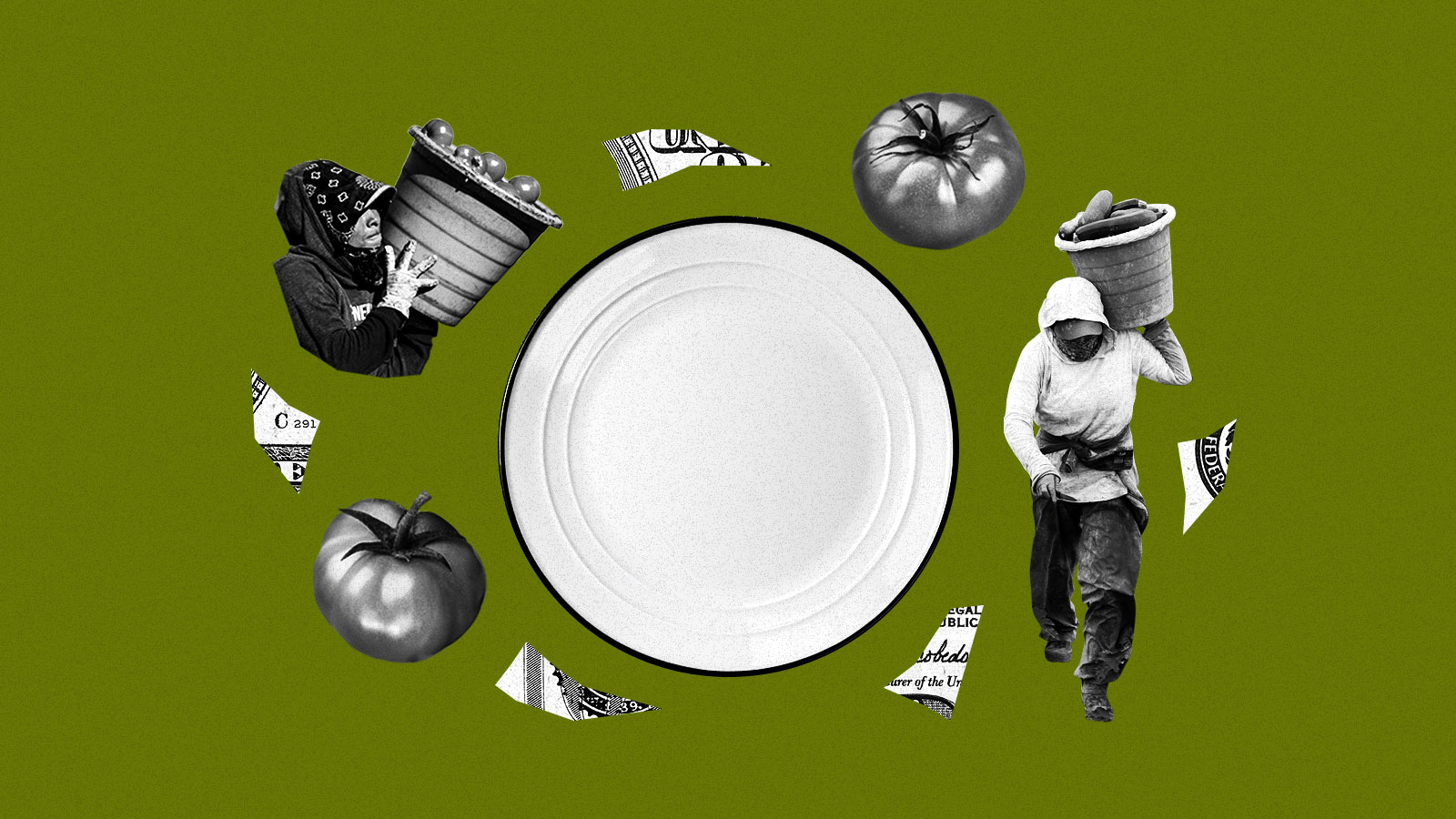
The people who feed America are going hungry
Climate change is escalating a national crisis, leaving farmworkers with empty plates and mounting costs.
Latest Articles
-
New annual quota for bluefin tuna does the fish no favors, say greens
A new legal quota set Monday for Atlantic bluefin tuna is a “mockery of science” and may cause the tuna population to collapse, green group WWF warned. The 46 member nations of the International Commission for the Conservation of Atlantic Tunas set the annual quota at some 24,000 tons, defying scientists’ recommendations that it be […]
-
Food sovereignty needs to be the center of renewed negotiations
With each new event or international conference in 2008’s saga of economic and food crises, there are calls to complete the long-running Doha Round of World Trade Organization negotiations. The international players all act as if achieving a Doha agreement, seemingly any agreement, will help solve one or more aspects of these crises. The latest […]
-
New research demonstrates that higher infant mortality rates surround CAFOs
Thanks to Proposition 2, Californians will soon phase out some of the most egregious confining animal conditions. However the rest of the country continues to utilize concentrated animal feeding operations for the production of meat, poultry and dairy products. CAFOs are industrial facilities that are designed to produce the most amount of meat in the […]
-
![]()
![]()
The dirt on biodynamic and ‘authentic’ wines
In Checkout Line, Lou Bendrick cooks up answers to reader questions about how to green their food choices and other diet-related quandaries. Lettuce know what food worries keep you up at night. Dear Checkout Line, What the hell is biodynamic wine and does it taste any better than regular wine? JeffColorado Dear Colorado Jeff, […]
-
USDA has crazy idea that organic cows should get time in pasture
Only cows that have gobbled grass in pasture for at least 120 days per year can produce milk labeled “organic,” according to draft rules issued by the U.S. Department of Agriculture. Activists have long criticized a loophole that allowed organic-milk producers to keep their cows in giant feedlots, as long as they were fed organic […]
-
Two studies point to ecosystem damage from factory-style farming
How does chemical-intensive, concentrated agriculture affect surrounding ecosystems — and ones that lie downstream from large operations? Seems like a key question, given that upwards of 95 percent of our food comes from such agricultural methods. Yet there has been surprisingly little study of it. For example, when the meat industry started to rapidly consolidate […]
-
Food miles are a distraction, climate-wise
One hesitates to agree with Ron Bailey given his doctrinaire libertarianism, but in a somewhat narrow sense I think he’s right about this: in terms of greenhouse-gas emissions, food localism is a red herring. That is to say: Eating local out of concern over carbon emissions is misguided. Food travel is not a big part […]
-
Confirming Pollan, PNAS study shows that fast-food chains mainly peddle corn
We literally are what we eat; our metabolic function converts the stuff we consume into our material bodies: flesh, bone, hair, etc. In a memorable passage in Micheal Pollan’s Omnivore’s Dilemma, a biologist analyzes a strand of his own hair; he finds it shot through with corn’s unique carbon signature. Materially speaking, eaters of the […]
-
Long-term study: GMOs lower fertility in mice
Under President Clinton, genetically modified organisms (GMOs) entered the U.S. food supply with very little public input or independent testing. The precautionary principle crumbled under the weight of industry influence; Clinton staffed the FDA with biotech-industry insiders like Michael Taylor, who has spent his long career bouncing between the government payroll and Monsanto’s. The official […]
-
Umbra on food-waste collection
Dear Umbra, Are any communities collecting food waste — potato peels, meat scraps, corn husks, etc. — for recycling? Is there a market for such material? Wendy S. Far Hills, N.J. Dearest Wendy, Yes and yes. Multiple communities collect food waste, in a variety of ways. Which is great, considering that food makes up about […]