Climate Food and Agriculture
Climate + Food and Agriculture
EDITOR’S NOTE
Grist has acquired the archive and brand assets of The Counter, a decorated nonprofit food and agriculture publication that we long admired, but that sadly ceased publishing in May of 2022.
The Counter had hit on a rich vein to report on, and we’re excited to not only ensure the work of the staffers and contractors of that publication is available for posterity, but to build on it. So we’re relaunching The Counter as a food and agriculture vertical within Grist, continuing their smart and provocative reporting on food systems, specifically where it intersects with climate and environmental issues. We’ve also hired two amazing new reporters to make our plan a reality.
Being back on the food and agriculture beat in a big way is critical to Grist’s mission to lead the conversation, highlight climate solutions, and uncover environmental injustices. What we eat and how it’s produced is one of the easiest entry points into the wider climate conversation. And from this point of view, climate change literally transforms into a kitchen table issue.
Featured
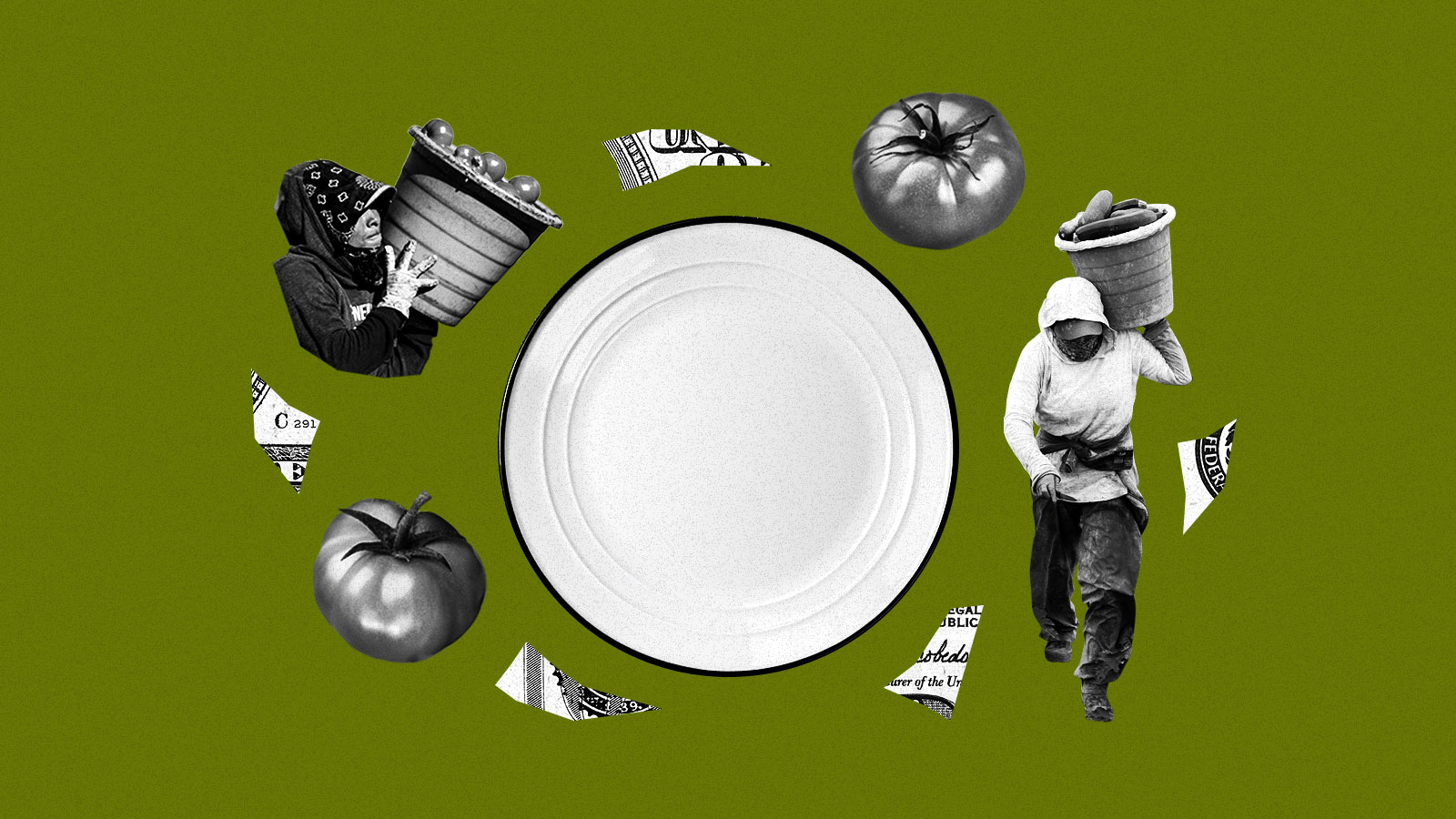
The people who feed America are going hungry
Climate change is escalating a national crisis, leaving farmworkers with empty plates and mounting costs.
Latest Articles
-
Umbra on feeding birds
Dearest Umbra, Every winter I take pleasure in putting out birdseed to feed the backyard wildlife. I purchase the easily available, run-of-the-mill, found-at-my-local-hardware-store type of seed. My question is, in the big picture … am I doing more harm than good? If the feed I am using is grown conventionally, am I doing a greater […]
-
15 Green Chefs
Savor our list of eco-conscious chefs, then dish on your own favorites in the comments section at the bottom of the page. Photo: David Sifry via Flickr Alice Waters, Chez Panisse, Berkeley, Calif., U.S. Thirty years ago, the words “imported from France” signified the height of status and taste on U.S. restaurant menus. Today, the […]
-
Philpott on the ground in corn country
In my very first article for Grist a year and a half ago, I declared with confidence that “If you’re going to talk about poverty, food, and the environment in the United States, you might as well start in the Corn Belt.” Trouble is, I had never actually been in corn country, at least not […]
-
The worst good news/bad news tale ever told
The bad news is that we're doing it by eating the fish that are eating the concentrated mercury in the food chain, further concentrating it in ... us. Mad as hatters we are!
This could also have been titled, "Another reason that coal is the enemy of the human race (or at least those members of it that like to eat)."
-
Donuts!
If you’d rather skip the interminable food debate that’s been conducted a dozen times on this site and a gazillion times on the internet and a googol times in the world at large, I recommend proceeding directly to Mihan’s recipe for sweet potato bourbon buttermilk donuts. Now that’s some food news you can use!
-
-
Too, Too Sullied Flesh
Meat production spews more greenhouse gases than a three-hour joyride The next time you chomp a hamburger, think of this: the process of getting that beef to your bun may have spewed more greenhouse-gas emissions than leaving all your house lights blazing while taking a three-hour joyride in your car. Researchers looked at beef production […]
-
The continuing quest to find something, anything to bash Gore with
People magazine reports that Al Gore’s daughter Sarah just got married, revealing in the course of the article that Chilean sea bass was served at the rehearsal dinner. In the Daily Telegraph, Australian Humane Society Rebecca Keeble writes that “only one week after Live Earth, Al Gore’s green credentials slipped.” Why? Because Chilean sea bass […]
-
Deader Than Ever
Biofuels could contribute to historically big Gulf of Mexico dead zone Still think corn-based biofuels will save the world? Here’s another piece of the no-they-won’t puzzle: Researchers say more intensive farming of more land in the Midwestern U.S. — in part a result of the push for more corn production — could contribute to the […]
-
Thanks in part to that ‘green’ fuel, corn-based ethanol
U.S. farmers planted 92.9 million acres of corn this spring, a 15 percent-plus jump from last year. If you lumped all that land together — not too hard to imagine, given that corn ag is highly concentrated in the Midwest — you’d have a monocropped land mass nearly equal in size to the state of […]
