Climate Food and Agriculture

Climate + Food and Agriculture
EDITOR’S NOTE
Grist has acquired the archive and brand assets of The Counter, a decorated nonprofit food and agriculture publication that we long admired, but that sadly ceased publishing in May of 2022.
The Counter had hit on a rich vein to report on, and we’re excited to not only ensure the work of the staffers and contractors of that publication is available for posterity, but to build on it. So we’re relaunching The Counter as a food and agriculture vertical within Grist, continuing their smart and provocative reporting on food systems, specifically where it intersects with climate and environmental issues. We’ve also hired two amazing new reporters to make our plan a reality.
Being back on the food and agriculture beat in a big way is critical to Grist’s mission to lead the conversation, highlight climate solutions, and uncover environmental injustices. What we eat and how it’s produced is one of the easiest entry points into the wider climate conversation. And from this point of view, climate change literally transforms into a kitchen table issue.
Featured
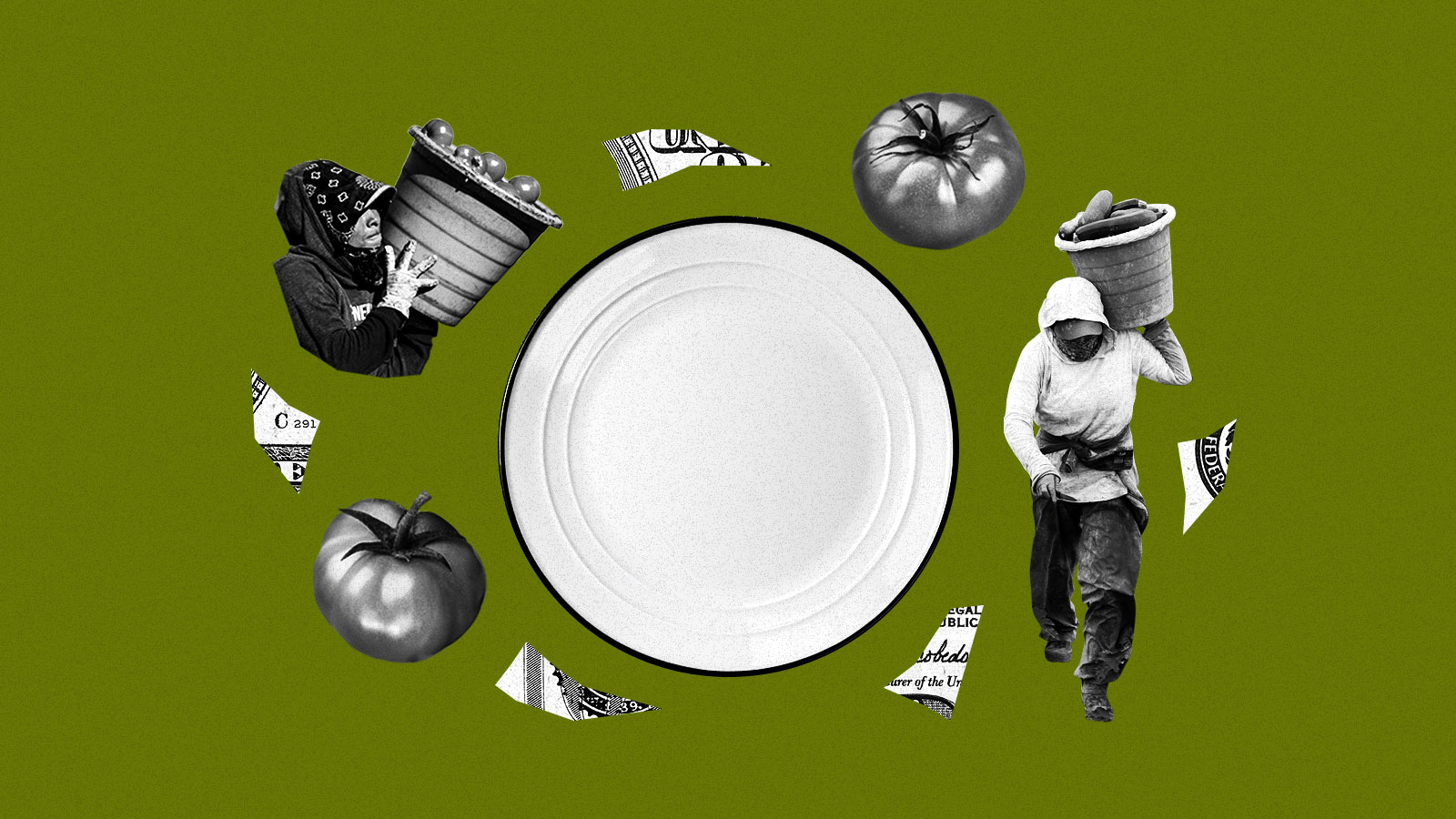
The people who feed America are going hungry
Climate change is escalating a national crisis, leaving farmworkers with empty plates and mounting costs.
Latest Articles
-
Olive Twist
“Climate-change farmer” plants England’s first olive grove Britain’s first olive grove has been planted in Devon in southwestern England — made possible by global warming. Traditionally an iconic crop of Mediterranean regions, the olive may soon be able to flourish in more northerly climes, some specialists believe, thanks to rising temperatures. Olive entrepreneur Mark Diacono […]
-
Seedom Is on the March
Millions of seed varieties to be secured in new Arctic vault Construction kicked off yesterday on a high-security vault to be dug into a frozen mountainside on a remote Norwegian island in the Arctic, to protect that most precious of commodities: seeds. The vault will be sized to hold 3 million seed varieties, the source […]
-
AZM Grace
EPA will phase out highly toxic pesticide If you’ve been avoiding Brussels sprouts because of pesticide contamination — as opposed to the grossness — you’re in luck: by next year, the U.S. EPA plans to phase out organophosphate azinphos-methyl (AZM) on the odiferous buds, as well as on nuts and nursery stocks. By 2010, AZM […]
-
Could the battle for South Central Farm be coming to a close?
The scene at South Central Farm would look familiar to anyone who’s ever attended a multi-day protest: there’s a makeshift kitchen to feed the masses, a small sound stage, a tent for banner-making. But the kitchen is preparing nopales quesadillas instead of vegan stew, the stage features a Norteño band replete with cowboy hats, and […]
-
Readers Digest
Time series points out eco-benefits of eating smart Time‘s latest issue features a series called “Eating Smart,” which includes a handful of enviro-tastic articles. One offers the revelation that grass-fed beef is better than its factory-farmed counterpart, both for you and for the planet. It makes a case for grass-fed as the new organic: sales […]
-
Champagne vineyards threatened by radioactive contamination
Global warming isn't the only thing threatening wine. In France, groundwater less than 10 km from the famous Champagne vineyards has tested positive for radioactive contamination, caused by a nearby leaking nuclear waste dump:
"We have been told for decades that nuclear dumpsites will not leak and that the best standards are being applied. In reality the dumpsite in Normandy is a disaster, and radioactivity is already leaking from the dumpsite in Champagne," said Shaun Burnie nuclear campaigner at Greenpeace International. "The authorities know they have a problem in Champagne already, with mistakes in the design. This is only the beginning of the problem, the bigger picture is that France has a nuclear waste crisis out of control that is threatening not only the environment and public health but also the economy of the Champagne region."
Clearly, there are some promises that just can't be kept. I wonder if Champagne is iconic enough to influence public opinion about nuclear power. In the meantime, bringing a Geiger counter to the next New Year's bash would be a cool party trick ...
-
Wining and Declining
Global warming screwing up wine country Bad news for oenophiles: Global warming is messing with wine country. Wine grapes are highly temperature-sensitive, and if the globe gets much hotter (which smart folks say it will), famed wine-producing regions like France’s Burgundy and California’s Napa Valley may lose optimum climate for their grape varieties. Already, warmer […]
-
Umbra on ethanol
Dear Umbra, I’m a little amazed by all the bandwagon-jumping going on over E85 ethanol. I wonder if a corn-based fuel can be sustainable over the long term, given the general risks of farming and the disappearance of American farms in the last 20 years. And doesn’t anybody remember the great potato famine and the […]
-
An interview with foodie author Michael Pollan
Michael Pollan has built a reputation as a sleuthing agro-journalist. In his writing for The New York Times Magazine and a quartet of books, he’s trailed a steer from birth to dinner plate, traced America’s obesity epidemic to corn subsidies, and narrowly, fumblingly outwitted a small-town cop who came uncomfortably close to his marijuana patch. […]
-
Whose ‘Cide Are They On?
California regulating pesticide air pollution and fish farming California is trailblazing again: It aims to be the first state in the U.S. to tackle air pollution from pesticide use. State officials hope to eliminate tons (literally) of smog-forming gases that waft from pesticide-treated agricultural regions. California’s Department of Pesticide Regulation — long accused of doing […]
