Climate Food and Agriculture
Climate + Food and Agriculture
EDITOR’S NOTE
Grist has acquired the archive and brand assets of The Counter, a decorated nonprofit food and agriculture publication that we long admired, but that sadly ceased publishing in May of 2022.
The Counter had hit on a rich vein to report on, and we’re excited to not only ensure the work of the staffers and contractors of that publication is available for posterity, but to build on it. So we’re relaunching The Counter as a food and agriculture vertical within Grist, continuing their smart and provocative reporting on food systems, specifically where it intersects with climate and environmental issues. We’ve also hired two amazing new reporters to make our plan a reality.
Being back on the food and agriculture beat in a big way is critical to Grist’s mission to lead the conversation, highlight climate solutions, and uncover environmental injustices. What we eat and how it’s produced is one of the easiest entry points into the wider climate conversation. And from this point of view, climate change literally transforms into a kitchen table issue.
Featured
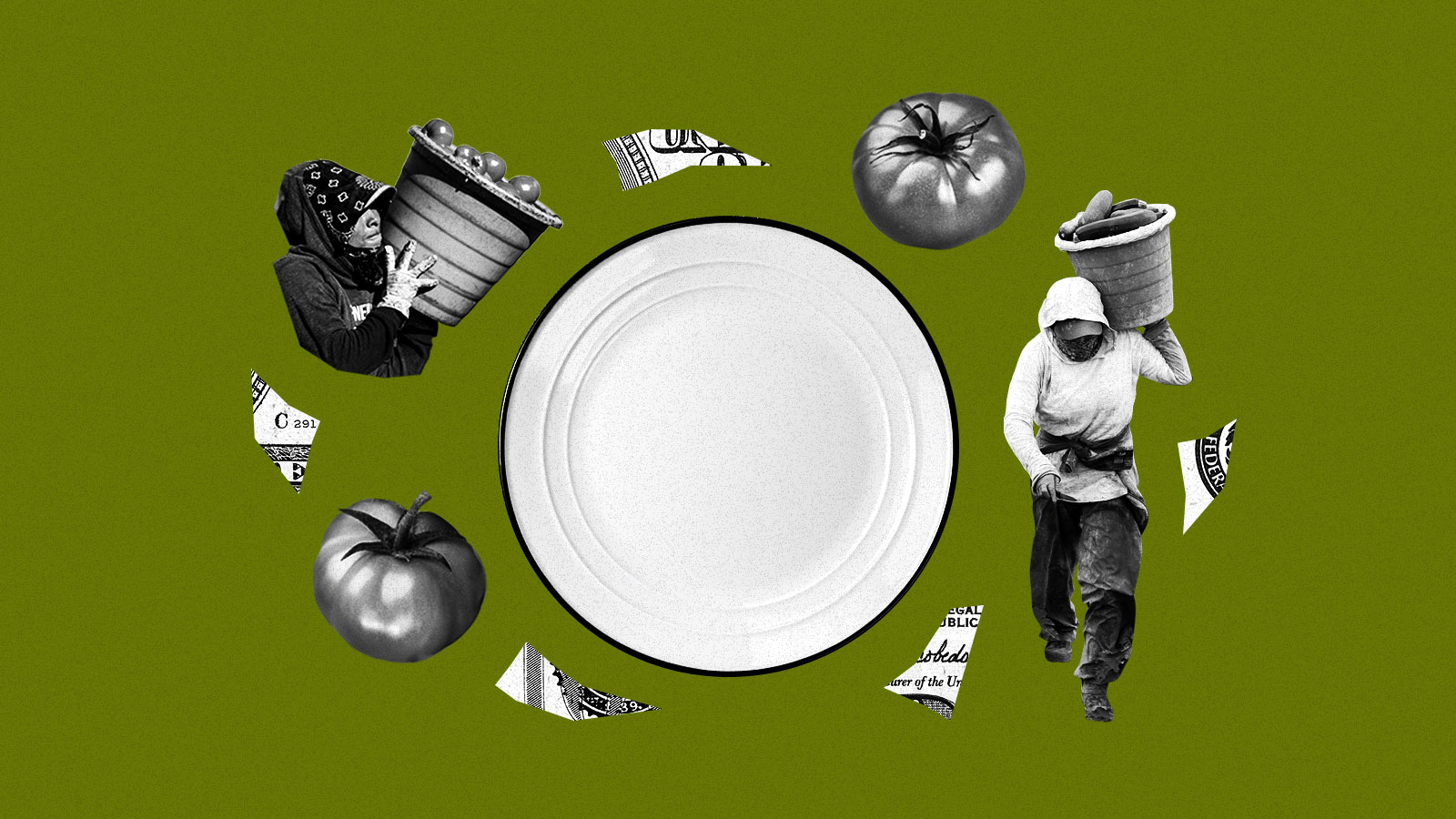
The people who feed America are going hungry
Climate change is escalating a national crisis, leaving farmworkers with empty plates and mounting costs.
Latest Articles
-
![]()
![]()
Michelle Nijhuis reviews Against the Grain by Richard Manning
What's for dinner at your house? Unless you're a strict Atkins adherent, chances are you've got at least one of the world's four top crops on your plate. Corn, wheat, rice, and potatoes account for about two-thirds of the world's nourishment; from French fries to brown rice, these familiar starches dominate humanity's diet.
-
A safe-food crusader answers questions
What environmental organization are you affiliated with? Physicians for Social Responsibility, Oregon Chapter. What does it do? PSR is a nonprofit educational organization committed to the elimination of nuclear and other weapons of mass destruction, the achievement of a healthy and sustainable environment, and the reduction of violence and its causes. PSR has programs on […]
-
Rotterdam It
Convention on Dangerous Chemicals Goes Into Effect The Rotterdam Convention, an international treaty meant to protect developing nations from dangerous chemicals already banned or restricted in wealthy nations, went into effect yesterday, after garnering support from 50 signatory countries, as needed to give it the force of international law. Many toxic chemicals, particularly pesticides for […]
-
Get the word on seafood that’s safe to consume
The dish on fish. It’s been a winter of bad news for seafood lovers. A joint draft fish advisory from the U.S. Food and Drug Administration and the U.S. EPA added tuna — America’s second-most popular seafood after shrimp — to its list of mercury-containing fish that should be restricted in the diets of pregnant […]
-
GM: Unsafe for Any Seed
Much of U.S. Food Supply Contaminated With Genetically Engineered DNA Most ordinary crop seeds in the U.S. are contaminated with strands of genetically modified DNA, and unless federal regulations and farm practices are tightened considerably, the entire U.S. food supply will soon contain GM elements, says a report released yesterday by the Union of Concerned […]
-
Cloud Nein
World’s Cloud Forests Threatened The world’s cloud forests, which strip moisture from clouds and supply millions of poor people in developing nations with fresh water, are in danger of being wiped out by climate change, claims a report released Monday by the U.N. and the World Conservation Union at the Convention on Biological Diversity in […]
-
Fish Stickers
Starting this fall, seafood sold in the U.S. will be labeled with information about where it was caught, the country where it was processed, and whether it was wild or farmed, thanks to a provision in a spending bill recently passed by Congress. Seafood will be the first food group subject to “country of origin” […]
-
Fetal Detraction
Air Quality One-Two Punch Hurts Fetuses The combined effects of air pollution and secondhand smoke can hurt fetal development, says a new study conducted in New York City by the Columbia Center for Children’s Environmental Health. While previous studies have addressed the effects of both factors in isolation, this study marks the first attempt to […]