Climate Food and Agriculture

Climate + Food and Agriculture
EDITOR’S NOTE
Grist has acquired the archive and brand assets of The Counter, a decorated nonprofit food and agriculture publication that we long admired, but that sadly ceased publishing in May of 2022.
The Counter had hit on a rich vein to report on, and we’re excited to not only ensure the work of the staffers and contractors of that publication is available for posterity, but to build on it. So we’re relaunching The Counter as a food and agriculture vertical within Grist, continuing their smart and provocative reporting on food systems, specifically where it intersects with climate and environmental issues. We’ve also hired two amazing new reporters to make our plan a reality.
Being back on the food and agriculture beat in a big way is critical to Grist’s mission to lead the conversation, highlight climate solutions, and uncover environmental injustices. What we eat and how it’s produced is one of the easiest entry points into the wider climate conversation. And from this point of view, climate change literally transforms into a kitchen table issue.
Featured
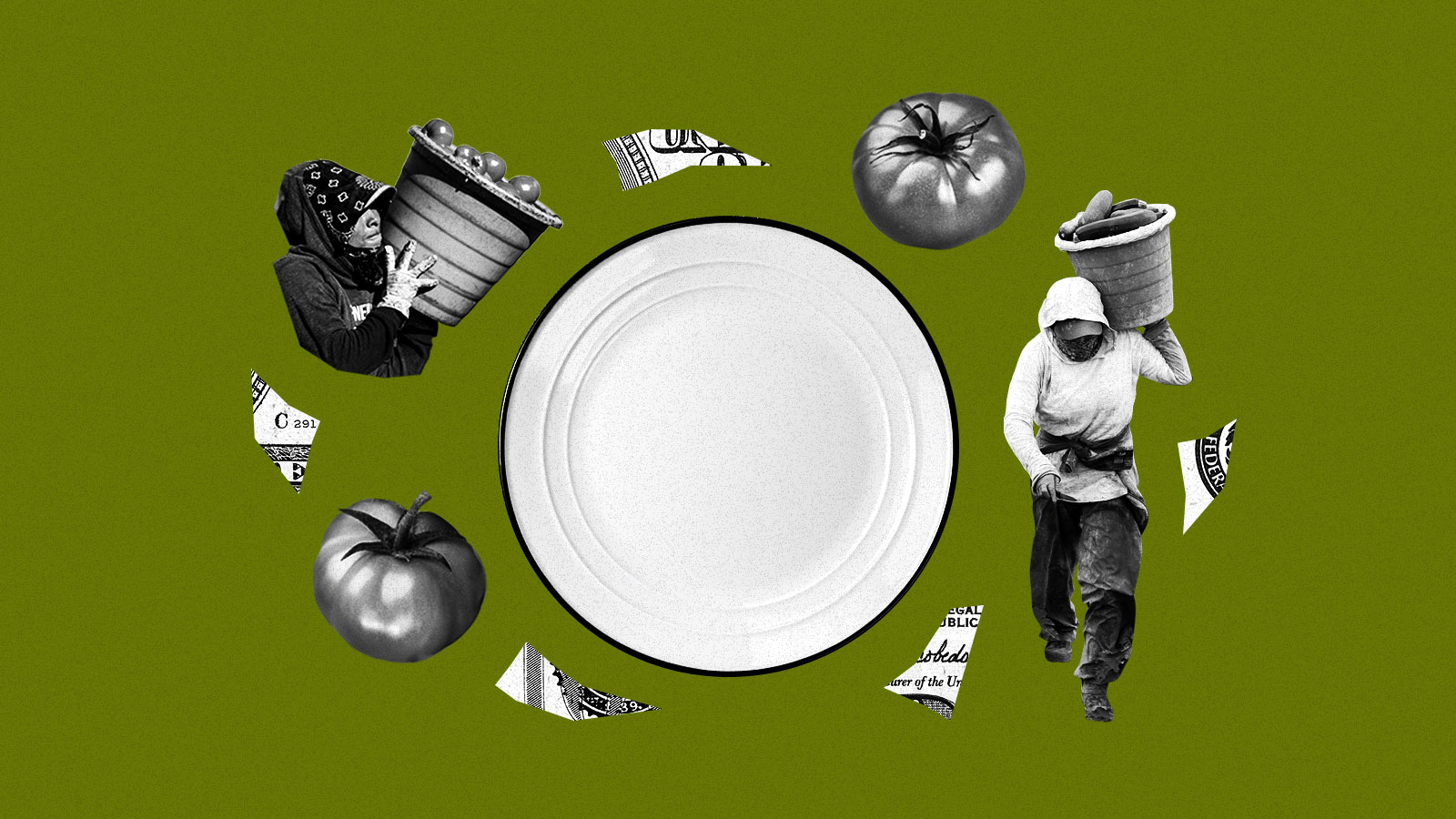
The people who feed America are going hungry
Climate change is escalating a national crisis, leaving farmworkers with empty plates and mounting costs.
Latest Articles
-
Onion Jack
Times are so bad for organic farmers in the United Kingdom that the whole market for organic foods could collapse, according to research published today by the National Farmers Union. According to the data, one in three organic farms in Great Britain is losing money. If there is hope, it lies in the Organic Action […]
-
Swiss Bliss
Organic farming results in a smaller yield than conventional agriculture, but is far more energy efficient and better for the land. That might sound intuitive to many organic advocates, but it took a 21-year study by Swiss scientists to prove it. Research published in the most recent issue of Science showed that organic farming is […]
-
Toxics: Australian for Fertilizer
Businesses across Australia are legally disposing of their industrial waste by selling it as fertilizers for farms and home gardens, according to an investigative report by the Sydney Morning Herald. The fertilizers often contain such toxic metals as arsenic, mercury, chromium, and lead. In western Australia, radioactive material from aluminum refineries is being used at […]
-
Metals in Your Mouth, Not in Your Hands?
The American Environmental Safety Institute (first we’ve heard of it) sued Nestle, Hershey, Mars, and other chocolate manufacturers yesterday for not disclosing that their products contain toxic metals such as lead and cadmium, as required under California law. In a lawsuit filed in Los Angeles County Superior Court, the group said that the levels of […]
-
Greener Pastures
New Zealand is home to a staggering 45 million sheep and 8 million cattle, which together produce 90 percent of the country’s methane emissions — or about 43 percent of the country’s greenhouse gas emissions. To meet the terms of the Kyoto Protocol on climate change, New Zealand has to reduce its greenhouse gas emissions […]
-
Umbra on farmed fish
I have a friend who is a homeopathic. She told me that I should stop eating pen-raised salmon because they are fed a lot of antibiotics. I was very disappointed because I thought I was eating a safe product. I don’t know how to get more info about this, but if you guys know anything […]
-
Rio Pequeno
The Rio Grande no longer reaches the sea. In fact, it falls almost a hundred yards short, a telling illustration of the water crisis that threatens the river and the cross-border region that depends on it for survival. Years of drought and a population explosion on both sides of the U.S.-Mexico border have strained limited […]
-
Sushi and the Banshees
Japan’s languishing organic food market could get a major boost from a string of recent food scandals that have rocked the nation. The scandals include an outbreak of mad cow disease and allegations of government mishandling of the crisis; the discovery of traces of prohibited biotech corn in domestic food and animal feed; and a […]
-
Bay Watch
If three environmental groups have their way, California’s mammoth agriculture industry will be subject to state water-pollution laws for the first time in history. The three groups (San Francisco BayKeeper, DeltaKeeper, and the California Public Interest Research Group) filed suit yesterday against the Central Valley Regional Water Control Board to close a loophole that allows […]
-
Going Whole Hog for Conservation
In welcome news for environmentalists, the U.S. Senate approved a farm bill yesterday that would double spending for conservation programs to $22 billion over the next decade. If it becomes law, the farm bill — which also includes provisions to clean up urban drinking water, protect forests from urban sprawl, and conserve wildlife habitat — […]
