Originally published on Feb. 18, 2015.
WARNING: Salty language
Seattle is the fastest growing city in the country, and like thousands of other jerks who are ruining what used to be a moderately populated city with affordable housing, I’m a newcomer here.
When I was looking for neighborhoods in Seattle, I decided on Capitol Hill — a densely populated area not far from downtown — based on its reputation as the city’s gay neighborhood, a reputation it’s had since the ’60s. The Hill appealed to me because, well, have you seen my haircut? I’m super gay. But despite Capitol Hill’s reputation as the gayborhood, it doesn’t feel gay to me. Sure, there’s a gay bookstore and a thrift shop where you can also get a HIV test, but after I moved here, I was surprised to find that there are more hot yogas studios than hot gay clubs in my neighborhood. Capitol Hill, it seems, is losing its place as the epicenter of Seattle’s gay life.
And why is this? Some blame tech money. Capitol Hill isn’t far from Amazon’s Seattle campus, and as tech workers have moved to the neighborhood, rents have risen, which has pushed out artists and gay folks (who, despite the double-income-no-kids stereotype, earn on average less than heterosexuals).
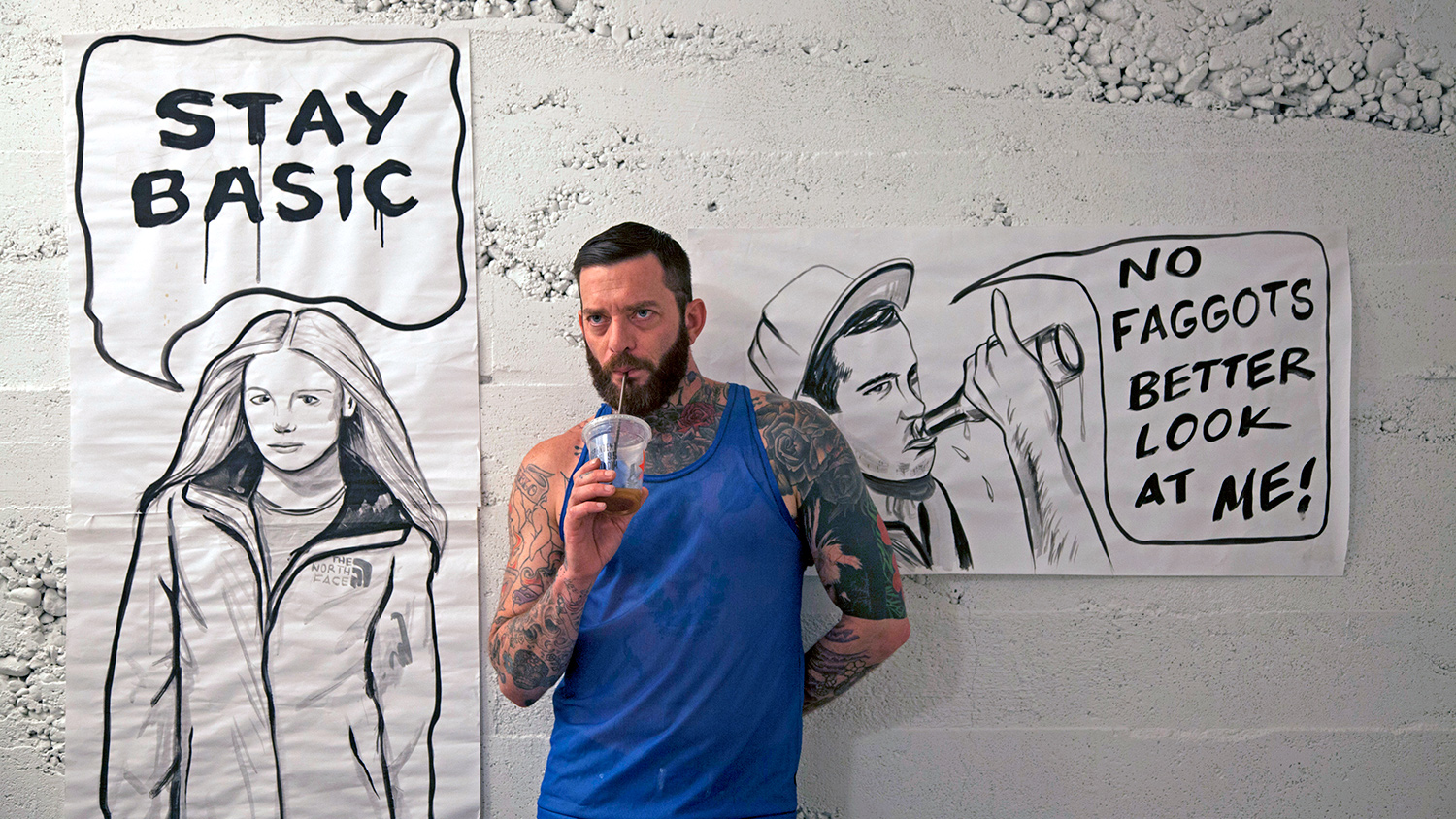
In this podcast, we speak with three Capitol Hill residents about gentrification and the death of the gayborhood: Dan Savage, best known for his advice column and podcast Savage Love; Shelley Brothers, co-owner of the oldest lesbian bar in Seattle; and John Criscitello, a local artist whose guerrilla arts projects satirize the changes in this historically gay neighborhood.
A message from
Your support keeps our climate news free.
Grist is the only award-winning newsroom focused on exploring equitable solutions to climate change. It’s vital reporting made entirely possible by loyal readers like you.
At Grist, we don’t believe in paywalls. Instead, we rely on our readers to pitch in what they can so that we can continue bringing you our solution-based climate news. Donate today to keep our site free.