Latest Articles
-
China and the Soybean Challenge
Some 3,000 years ago, farmers in eastern China domesticated the soybean. In 1765, the first soybeans arrived in North America, but they did not soon catch on as a crop. For 150 years or so the soybean languished as a curiosity in gardens. Then in the late 1920s, a market for soybean oil began to […]
-
![drought]()
![drought]()
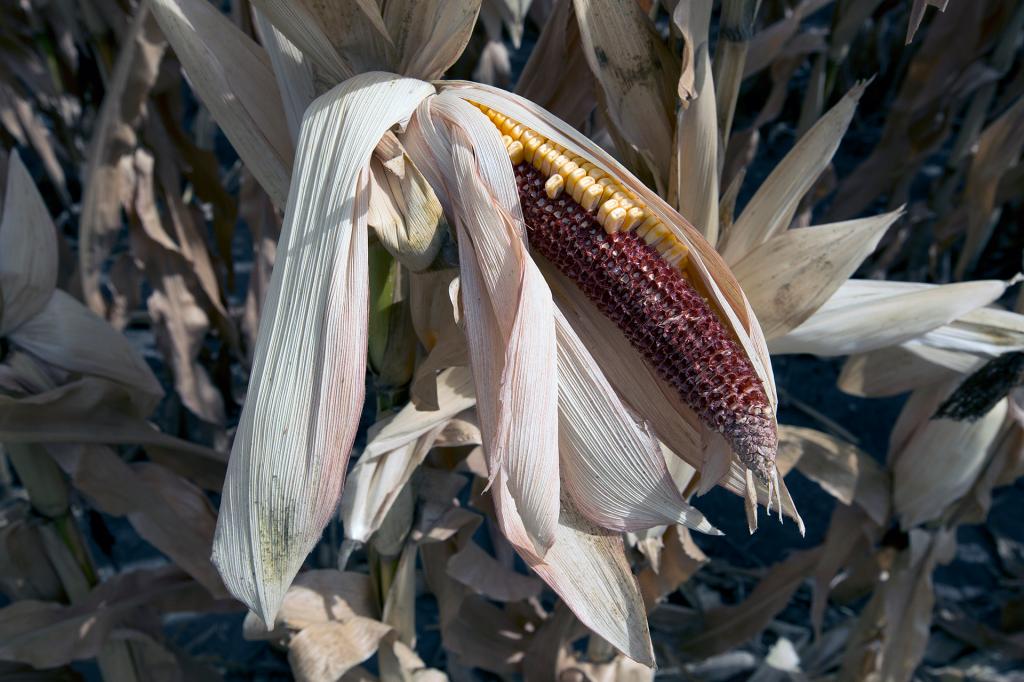
Climate change is decreasing farm yields just when we need them to go up
We could avoid the worst case scenario if we made a lot of big changes to our food and farm systems. So far, we're not.
-
![]()
![]()
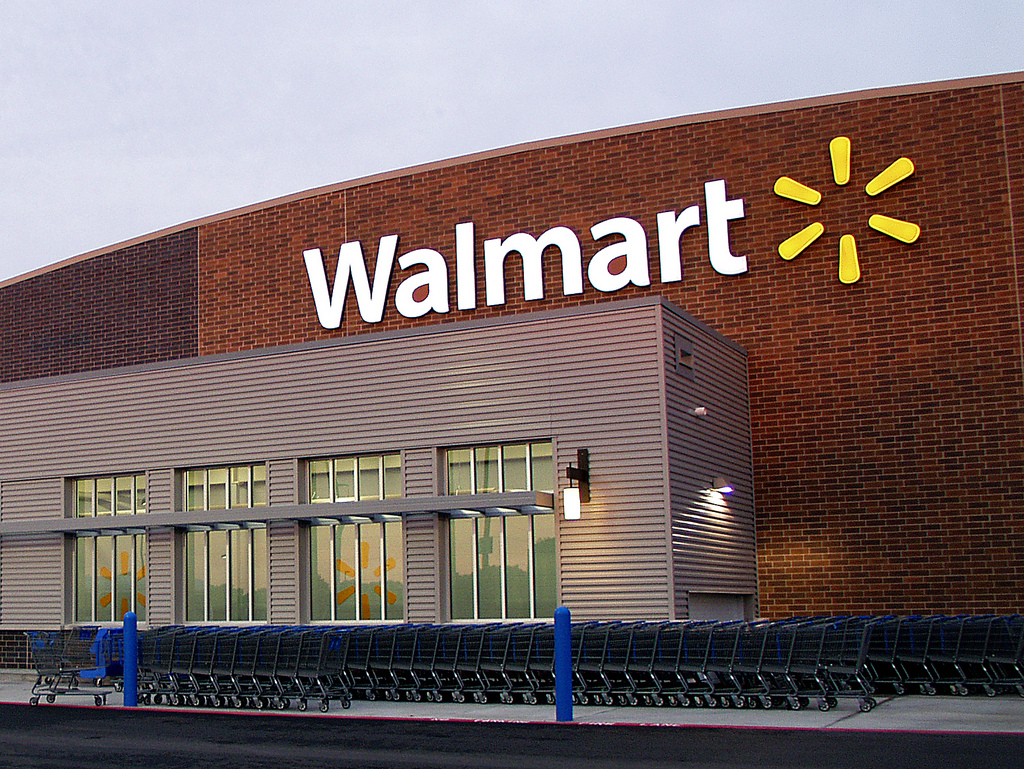
EDF sells green cred to Walmart for the low, low price of $66 million
Environmental Defense Fund, a big cheerleader for Walmart's sustainability efforts, gets about an eighth of its budget from the Walton family, the same folks who control Walmart.
-
![Bill de Blasio]()
![Bill de Blasio]()
De Blasio’s biggest challenge: Climate change
New York City's new mayor-elect didn't spend much time during the campaign talking about global warming, but he'll likely spend a lot of his time at City Hall dealing with it.
-
![Tom Steyer]()
![Tom Steyer]()
The big election winner: Deep-pocketed Tom Steyer
With a hefty injection of money from Steyer, enviros won two key contests on Tuesday: the governor's race in Virginia and a race in rural Washington that may determine the fate of a coal export terminal.
-
![]()
![]()
Washington GMO-labeling initiative flames out
Heavy spending by industry buries the state's grassroots-driven labeling law.
-
![Harvesting corn]()
![Harvesting corn]()
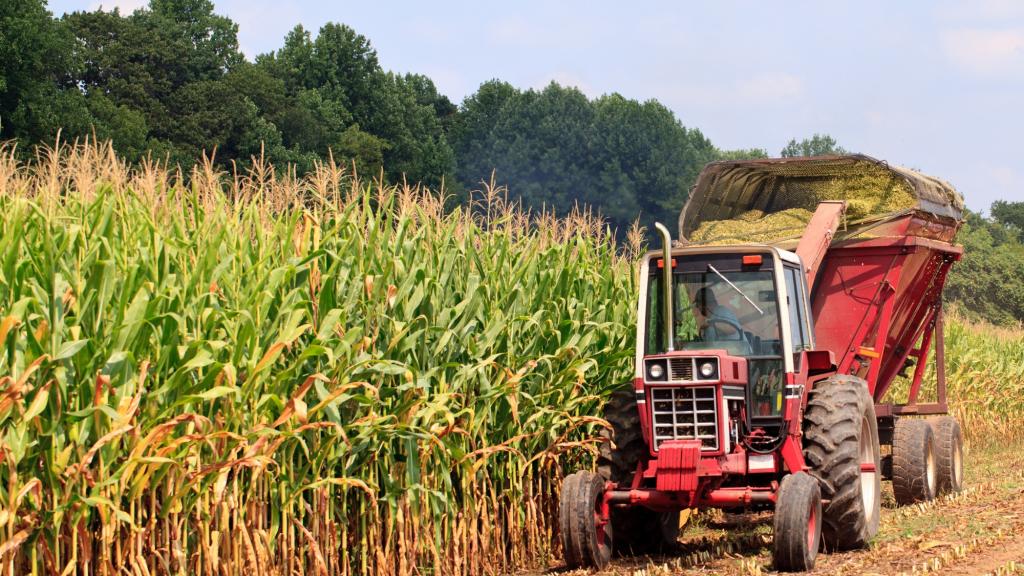
More corn grown in U.S. this year than ever before. Thanks, biofuels.
American farmers are set to harvest 30 percent more corn this year than last year. That's due to agreeable weather and EPA's biofuel mandate.
-
![sand]()
![sand]()
Schools install pricey filters to protect kids from frac sand
In Wisconsin, the booming frac-sand industry is bringing lots of challenges. Still, some lawmakers want to prevent local governments from regulating it.
-
![fracking drill]()
![fracking drill]()
If you think fracking is a free-market success story, think again
The GOP-controlled legislature in Pennsylvania wants to give up to $1 billion in subsidies to the fracking industry over the next decade -- on top of big subsidies that are already approved.
-
![money]()
![money]()
Carbon tax revenues could dwarf fossil fuel losses
If carbon is priced high enough to meet international climate goals, fossil fuel companies would lose up to $12 trillion by 2100, but governments would gain up to $32 trillion in revenues, a new study finds.