As Hurricane Helene roared through the mountains of western North Carolina in September 2024, Devon ran from one side of his house to the other, listening to the sound of trees snapping in the dark.
The wind whipped the steep hill his family lived on in Asheville, rattling the windows and cracking limbs. Pine trees fell like dominos, 20 in all. Five of them took the porch and a corner of the house with them. The creek behind the family’s home was rising fast, and anything caught in it was swept away.
Inside, Devon’s wife and their daughter, who is now five, hid in a closet, crying as the house shook. Devon shouted over the wind as he tried to figure out what would fall next. He was inside the house, but also somewhere very far away, reliving memories he had been trying to put away.
“For me, it was very triggering,” he said. “I felt like I was in a war situation.”
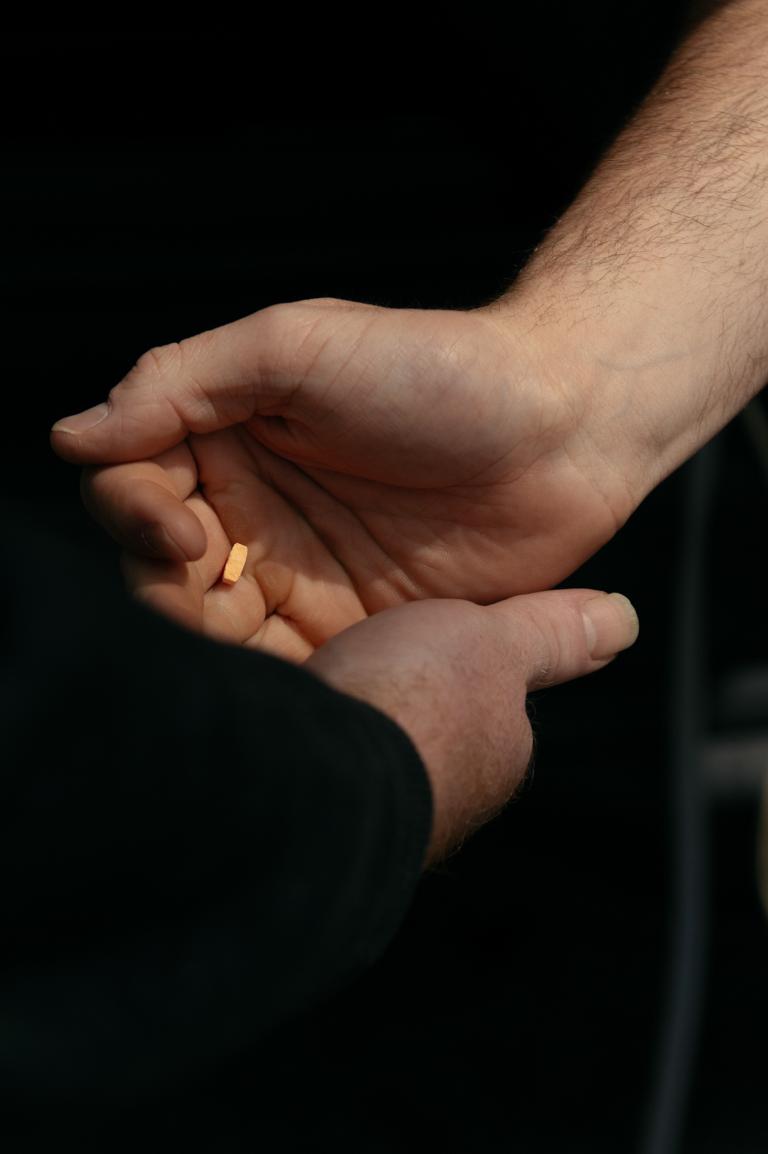
Devon, an Iraq war veteran who moved to the mountains from Florida in 2019, asked to be identified by only his first name, as anonymity is a core component of 12-step programs. The 41-year-old had returned from the Middle East in 2006 with post-traumatic stress disorder and a traumatic brain injury that pushed him to numb himself however he could. It started with pills, then heroin, and eventually a combination of heroin and cocaine. “I was so physically addicted,” he said. “The sickness was unbearable. I couldn’t imagine life without drugs.”
In Asheville, he slowly found his way back from the precipice. He joined Narcotics Anonymous, attended regular meetings, and began to confront his trauma in therapy. He and his wife, who had moved to Asheville with him, had a daughter in 2020. It wasn’t always easy, but life with his family, in their house in the woods, felt like it was creeping toward stability.
Everything changed after the storm.
Disasters like Hurricane Helene level communities and upend even the stablest lives. For people recovering from addiction, they can also fracture so much more: 12-step meetings, treatment programs, transportation, and the social networks that are essential to maintaining sobriety. When that scaffolding breaks down, the risk of relapse and overdose rises.
Penn State University sociologist Kristina Brant has spent the past few years studying the long-term impacts floods can have on communities, finding “an increase in overdose deaths that persists for a decade after a flood.” Grief and trauma can linger for years, she said. “Those are significant triggers that can derail recovery.”
The threat is especially acute in the Appalachian region, a mountainous swath of the country that includes 13 states stretching from New York to Mississippi. Throughout the region, a long-running drug crisis has already taken a devastating toll. Though overdose death rates in Appalachian counties have declined slightly alongside national trends, mortality for people in their prime working years still exceeded the national average in 2023 by 52 percent. These trends are driven by limited access to health care, physically demanding work, and economic hardship. In six western North Carolina counties, including Buncombe, for example, overdose mortality was more than 36 per 100,000 residents as of 2022.
Increasingly severe storms and flooding, fueled by a warming world, are compounding those vulnerabilities, damaging not just infrastructure but the support systems people rely on to stay alive.
For people like Devon, the weeks and months after Helene unraveled lives they’d spent years building.
Recovery from substance use disorder hinges on stability. Routine keeps people connected to the relationships and services that make long-term sobriety possible, and builds the kind of network where someone notices if a chair is empty.
Across Appalachia, that support system is already stretched thin. Rural communities don’t have the redundancies that make it easy to hit another meeting, find another clinic, or line up another therapist. Long travel distances and high poverty rates create additional barriers.
Disasters further strain the system. Annual hospitalizations for substance use disorders jumped 30 percent after Hurricane Katrina and continued rising for years afterward, especially in neighborhoods that experienced the greatest destruction and displacement.
“When you factor in a disaster like Helene or other flooding where infrastructure is really impacted, we’re just amplifying that existing barrier a billion-fold,” said Erin Major, a doctoral candidate in health services research at Boston University who studies substance misuse in Appalachia. “It became genuinely impossible for quite a few of these patients to access their care.”
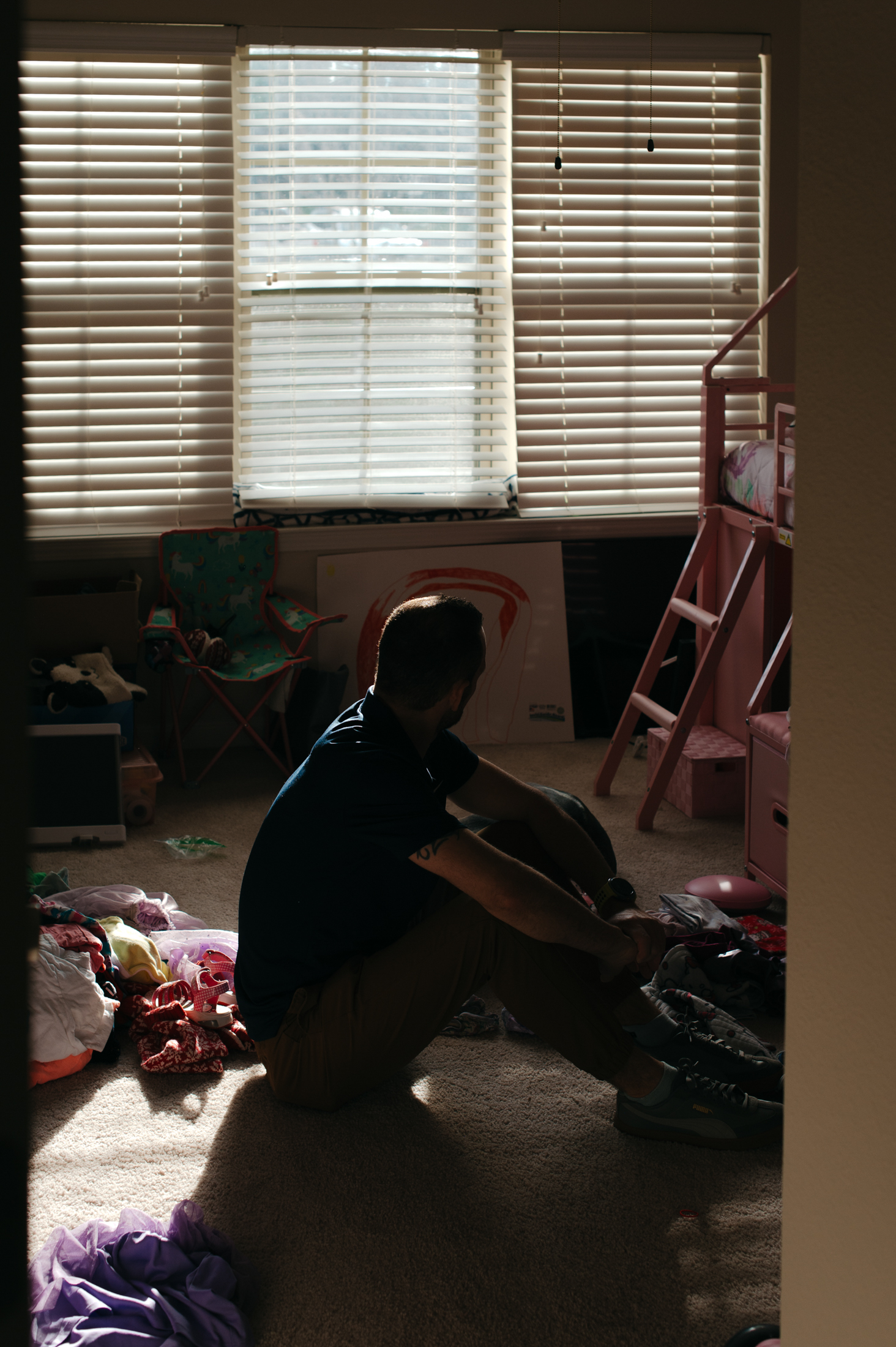
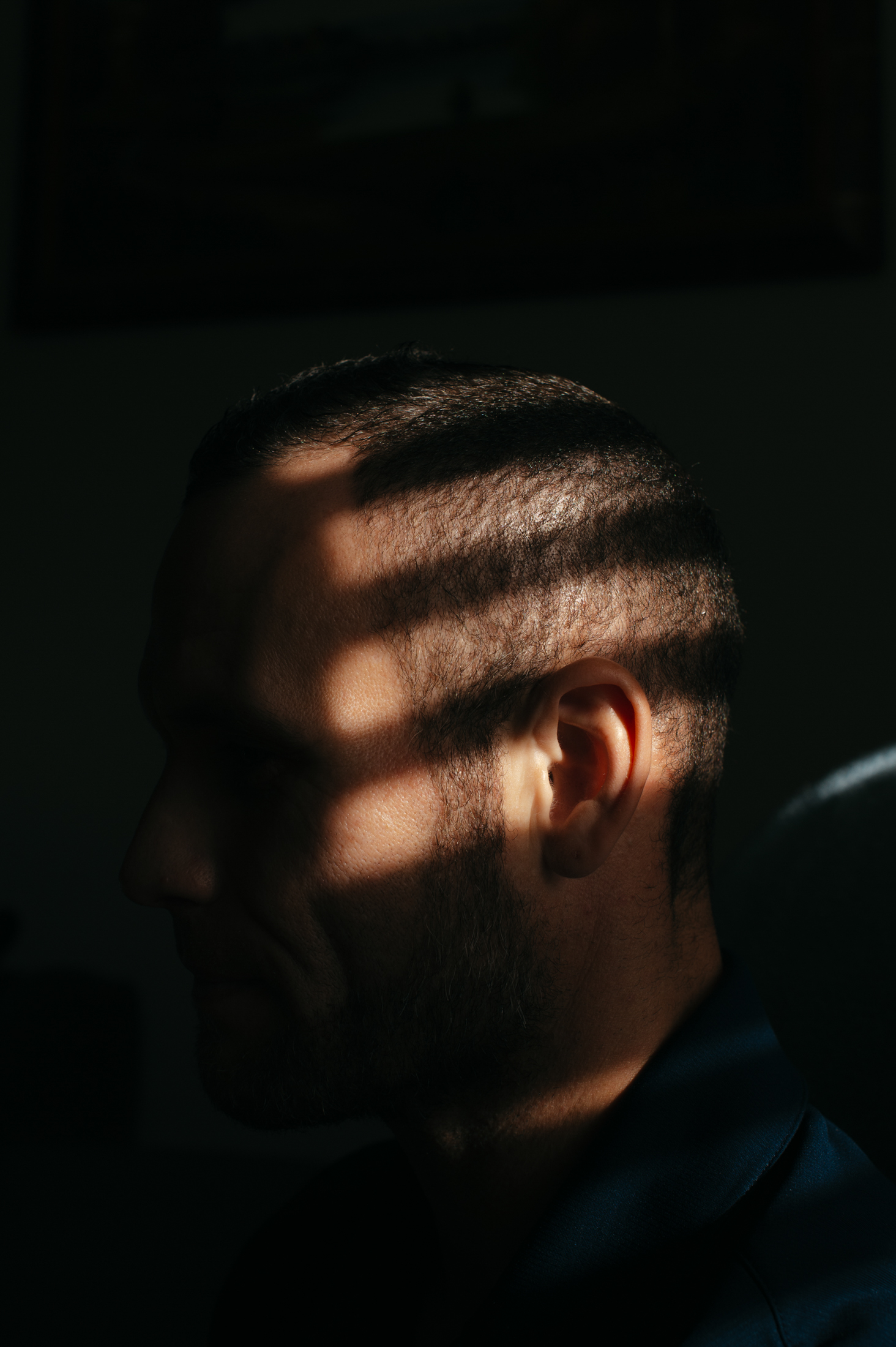
In Devon’s walk-up apartment in Arden, a town just south of Asheville, his pit bull, Qball, trotted across the gray carpet to meet him. Devon is tall and thin, with close-cropped hair and an understated, honest way of putting things. He said he understands how much routines matter, because he had spent years building his.
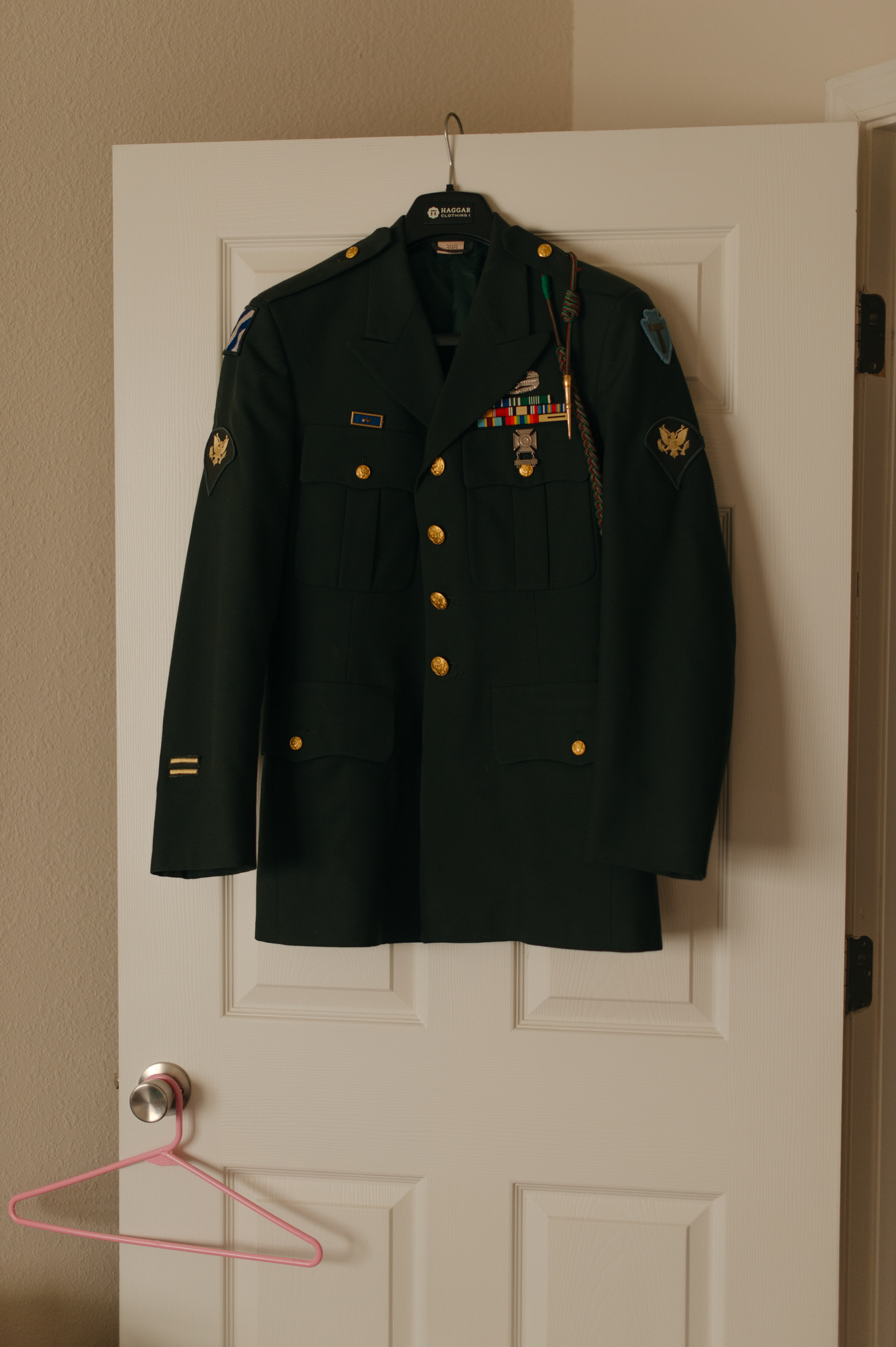
He returned from Iraq in 2006 after two years in a scout platoon. Back at a base in coastal Georgia where he enrolled in college, he began to understand what he’d brought home with him. His brain injury and PTSD plagued him with nightmares and made it difficult to hold a job. He began to self-medicate. “Once I started using, you know, the harder opiates, I would say I was using against my will at that point,” Devon said, scratching his dog’s ear. He overdosed and nearly died several times.
Jesse Barber / Grist
His relationships frayed under the strain, and for a time he lived on the street. He and his wife separated; her job didn’t pay well, he’d lost his, and they were in debt. In a bid to save their marriage and finances, the couple moved to Asheville, where his wife’s family lived, in 2019. The city’s recovery resources, which are abundant compared to elsewhere in the South, offered the promise of support, consistency, and a fresh start.
Over time, Devon began building a new life. He is on disability and can’t work, but he and his wife were able to buy a house. Suboxone, a daily prescription medication available at most pharmacies, eased his cravings for opioids. Twelve-step meetings allowed him to find support and celebrate progress. He and his wife welcomed their daughter into the world in 2020. While marriage and recovery were sometimes bumpy, he felt he was building something lasting.
Hurricane Helene blew all of that apart.
In the weeks and months after the storm, the routines that had anchored Devon’s recovery began to shift. His 12-step group moved its meetings online for a couple of weeks. When it resumed gathering in-person, he struggled to attend, bogged down by the demands of repairing his house. With his time consumed by cleaning up from the storm, he stopped regularly going to individual therapy. Financial worries took the place of personal goals.
“There was a huge interruption,” Devon said. Online meetings are “not the same as being in person. You know, like when I like to go in-person in my home group… I can do service like either chair a meeting, help set up literature, help greet people, help set up chairs.”
That kind of service is central to the recovery pathway that’s worked for Devon, and it had become a vital part of his life. He tried to fulfill it by helping neighbors rebuild from the storm. He spent his days clearing debris, organizing disaster supplies at community spaces, and delivering them to people in harder-hit areas. “We were just pitching in the best we can, and I feel like I was using my experience in the program,” he said.
He also met new people along the way — including church volunteers who helped remove the five trees that had fallen onto his house. At first, the spirit of cooperation brought people together. But as the months passed, that warmth faded and the losses began to settle in. The Federal Emergency Management Agency gave his family an emergency stipend of $750 to cover immediate expenses, like food and water, but they’d already spent $20,000 on repairs. Even with insurance, they realized they’d have to refinance the house to keep it.
By last summer, the strain had become too much. Devon and his wife decided to sell the house, for $30,000 less than they’d hoped. Amid the back-and-forth with the insurance company, their own fights escalated, and they filed for divorce — not uncommon after a life-changing disaster. Because North Carolina law requires a couple to live separately for one year before a divorce can be finalized, Devon moved into a hotel. He found himself alone more often.
He managed to avoid relapse, but that meant treading carefully with hobbies that summoned the urge to drink, like playing poker. As the summer of 2025 dragged into fall, he felt spiritually adrift. Between his divorce and the costs of the storm, he’d lost about $100,000. It was all too much. It had been years since he’d felt this hopeless. “I was suicidal,” he said.
For many people in recovery, relapse can be more dangerous than their initial drug use. After a few days of sobriety, tolerance starts to drop. Those who have gone through treatment are sometimes more likely to overdose, with the immediate first few days of relapse being the most dangerous. Over time, the mental health impacts and compounding losses of a disaster can push people further off course.
In the early days after the storm, communities, volunteers, and recovery groups across the region sprang into action, temporarily filling the gaps left by upended routines and the slow trickle of federal help.
Researchers often observe a curious “honeymoon phase” after a disaster: A time of intense social cohesion as people united by shared loss come together to help each other. It’s months or years down the line when the pileup of trauma and loss begins to complicate that cohesion.
John Kennedy saw that shift unfold in Buncombe County.
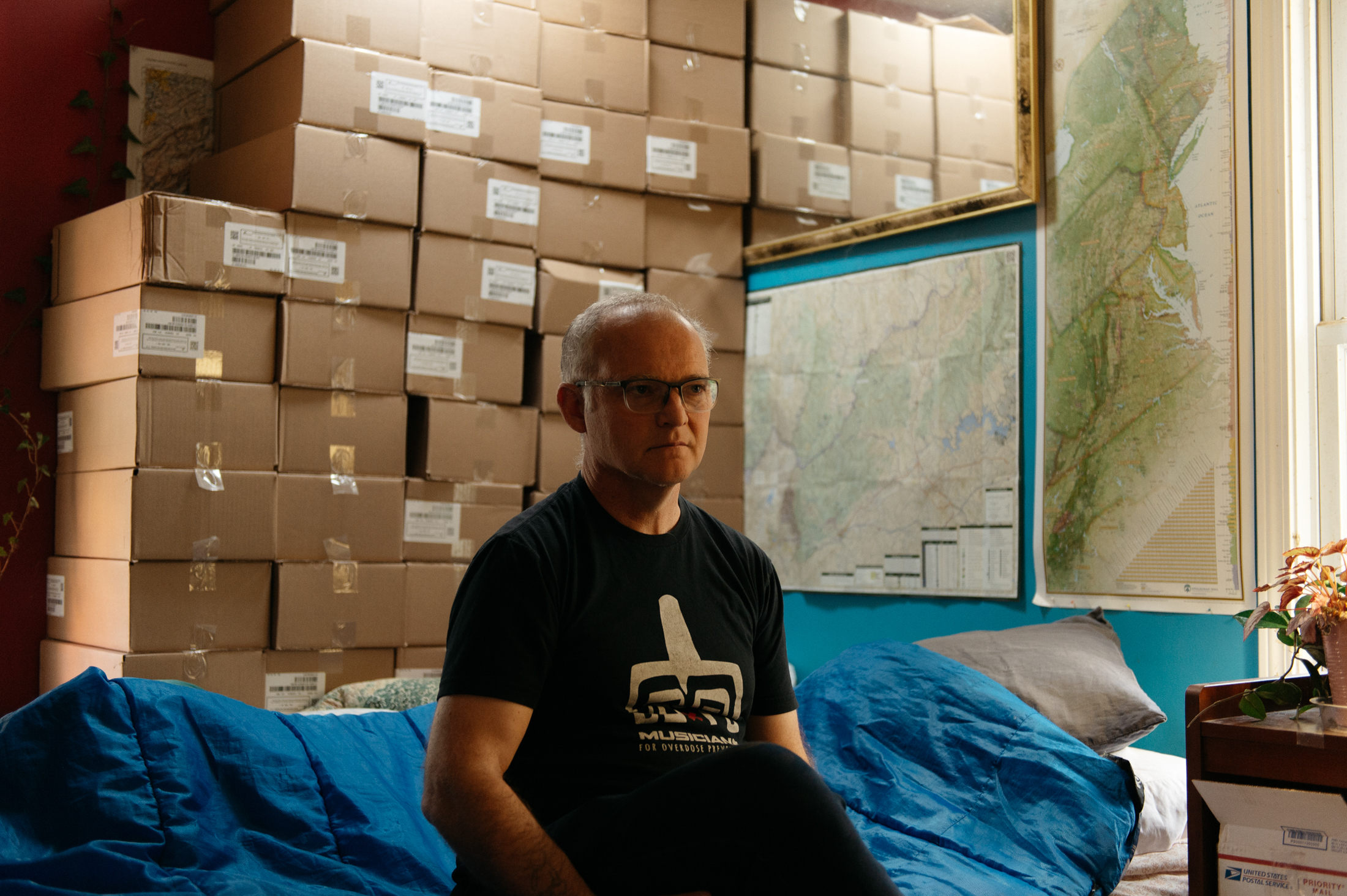
Kennedy, a guitarist, and his wife Cinnamon Kennedy, a drummer, spent years distributing naloxone, which can quickly reverse an opioid overdose, to nightclubs, music halls, and other venues throughout the county. Such work is called harm reduction — providing the education and tools to help people who are actively using drugs prevent infection, illness, and death. The project began after John lost several friends and his brother to overdoses. The Kennedys rely on the tight network of musicians and venues to get those supplies to the people who need them.
John Kennedy drove me around Swannanoa, a small, largely working-class town outside of Asheville. Even a year and a half after the storm, there are reminders of how the social fabric has frayed.
The last music venue in Swannanoa closed after the storm, and others in the area also have closed or aren’t booking bands.. One survey found that across 23 counties, small businesses lost an average of $322,000 during Helene, and many couldn’t withstand it. The closures of bars and venues has left fewer places to congregate. Kennedy worries that may mean more people are using alone. Research shows that hurricanes and tropical storms can cause excess mortality for as long as 15 years, so the region is still only at the beginning of the aftermath.
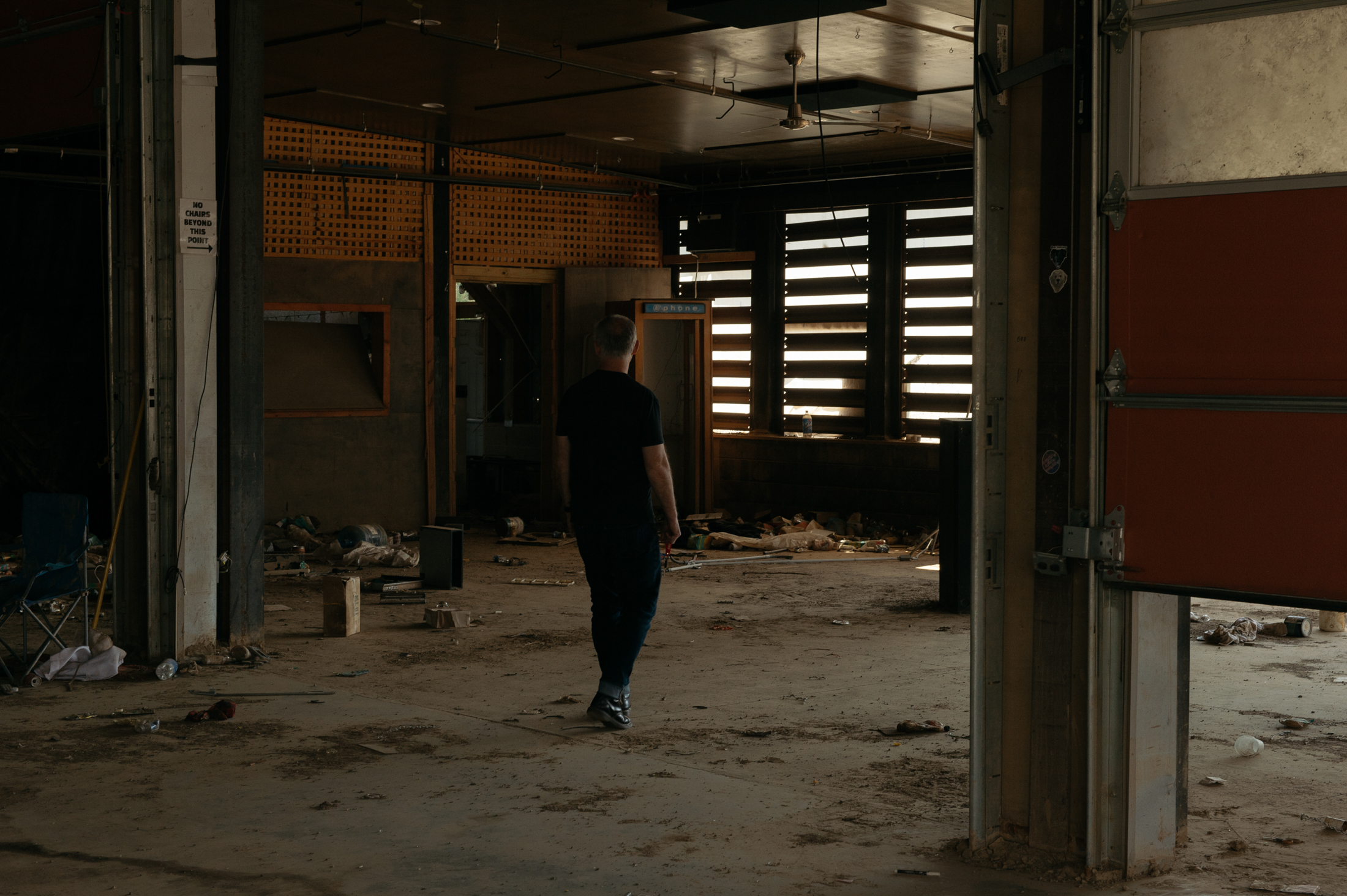
Kennedy can’t help but reflect on what’s been lost. “Just the ability for people — like a church service, like a job — to show up and come in and be able to check on everyone, check in on everyone, see how people were doing,” he said, driving past Silverados, one of the venues he relied on to carry naloxone until it closed permanently. One after the other: shuttered, shuttered, shuttered.
Kennedy pointed out the dozens of RVs parked along the roadways, all hosting people who lost their homes to the storm. A field where there was once a trailer park. Ossified muck and debris where there was once a gas station, a farmers market, a woodworking shop, a veteran’s clinic. “It’s not what it was.”
Kennedy still delivers naloxone, but more often to venues in Asheville, where it’s easier to find people. The community feels battered, he said, but he hopes it is slowly regrowing.
In the immediate aftermath of the storm, many opioid treatment providers struggled to track patients and keep records up to date, said Major, the Boston University doctoral candidate. Some providers reported that the number of people in treatment remained stable, or even increased as street drugs became harder to find. Others have lost patients — one provider saw 15 patients drop out or move away. Just some eventually returned.
How to support people with substance use disorder during and after disaster
FIRST at Blue Ridge, a halfway house in nearby Black Mountain, saw about 30 residents leave to deal with the aftermath of Helene, though record-keeping was difficult in the chaos. Some residents lost the homes they’d hoped to return to. Others, placed there as a condition of probation, had to navigate spotty cell service to notify court officials and get permission to go assist their families. A few simply walked off, hoping to hike home. Most eventually came back, but one or two never returned. The center administers drug tests when people come or go, and found that several had relapsed during their time away.
Similar disruptions have been reported across the mountains, especially where the legal system is involved. Cordelia Stearns, chief medical officer at High Country Community Health in Watauga County, said displacement can set off a chain of events that ends in incarceration for the patients treated at her clinic.
One had been living in a shed after Helene and accidentally burned it down trying to stay warm through the winter. He walked hours to reach the clinic and keep up with treatment for opioid addiction. “He did actually make these heroic efforts to stay in care,” Stearns said.
Despite that, he was incarcerated multiple times for nonviolent drug offenses. He’s currently out of touch again, and, she assumes, probably in jail. She hopes he’s OK, she said, choking up. “It’s always a little nerve-racking when you can’t reach people.”
Stearns has seen similar patterns play out repeatedly, particularly among people who are unhoused. Access to medications like Suboxone or methadone often depends on the policies of individual jails, and incarceration can bring people back into environments where drugs are readily available. “I’m not totally sure who it’s supposed to be helping,” she said.
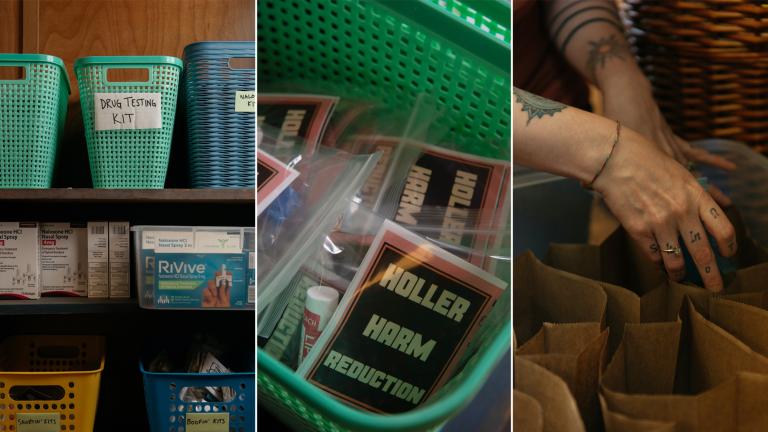
In Buncombe County, community health worker Brandi Hayes has seen how quickly this turmoil can unravel recovery. She works with the county’s Post-Overdose Response Team, which checks on people who have recently survived an overdose and steers them toward treatment. Like many in this field, she has a family history with addiction that makes the work personal.
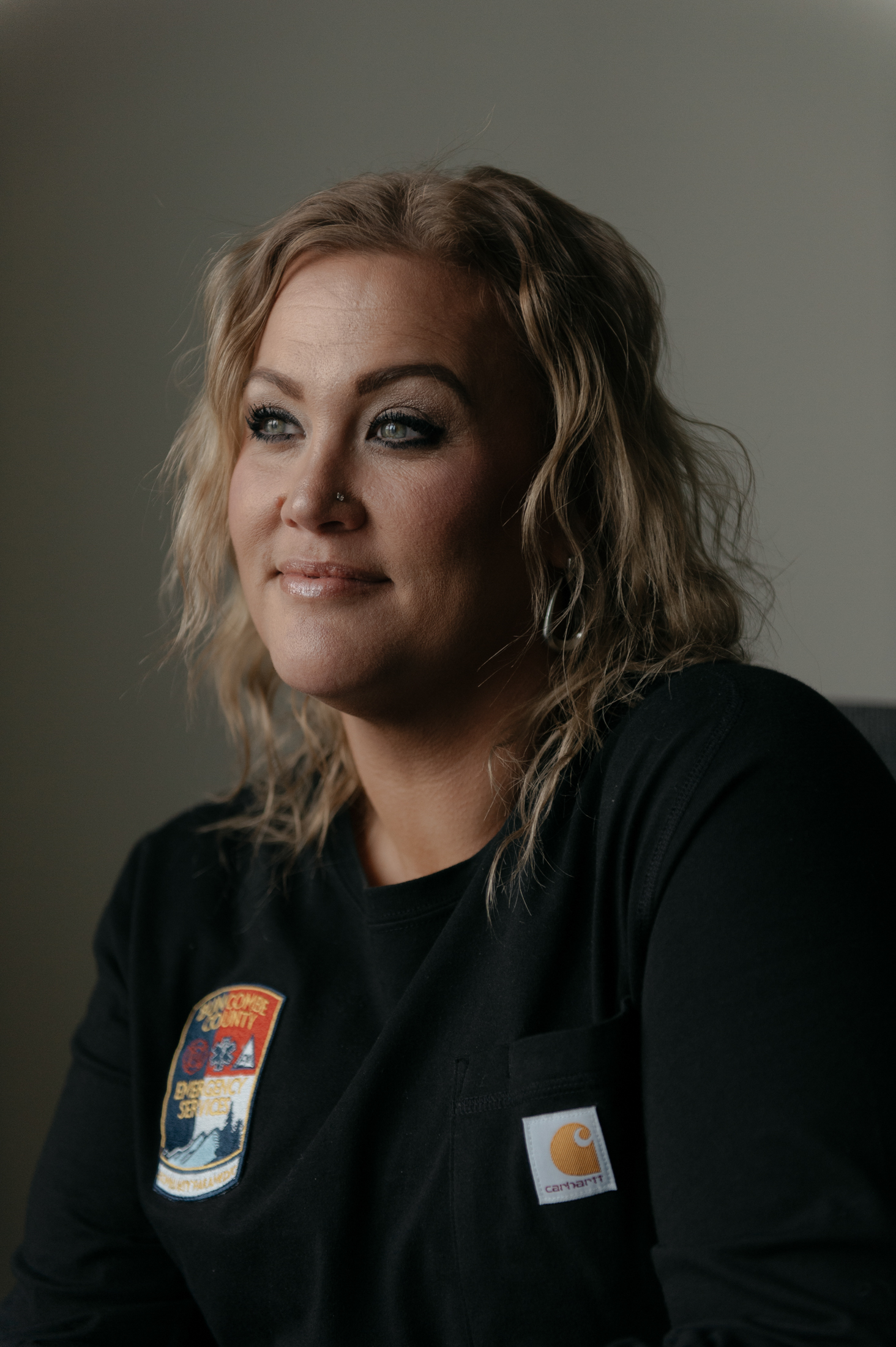
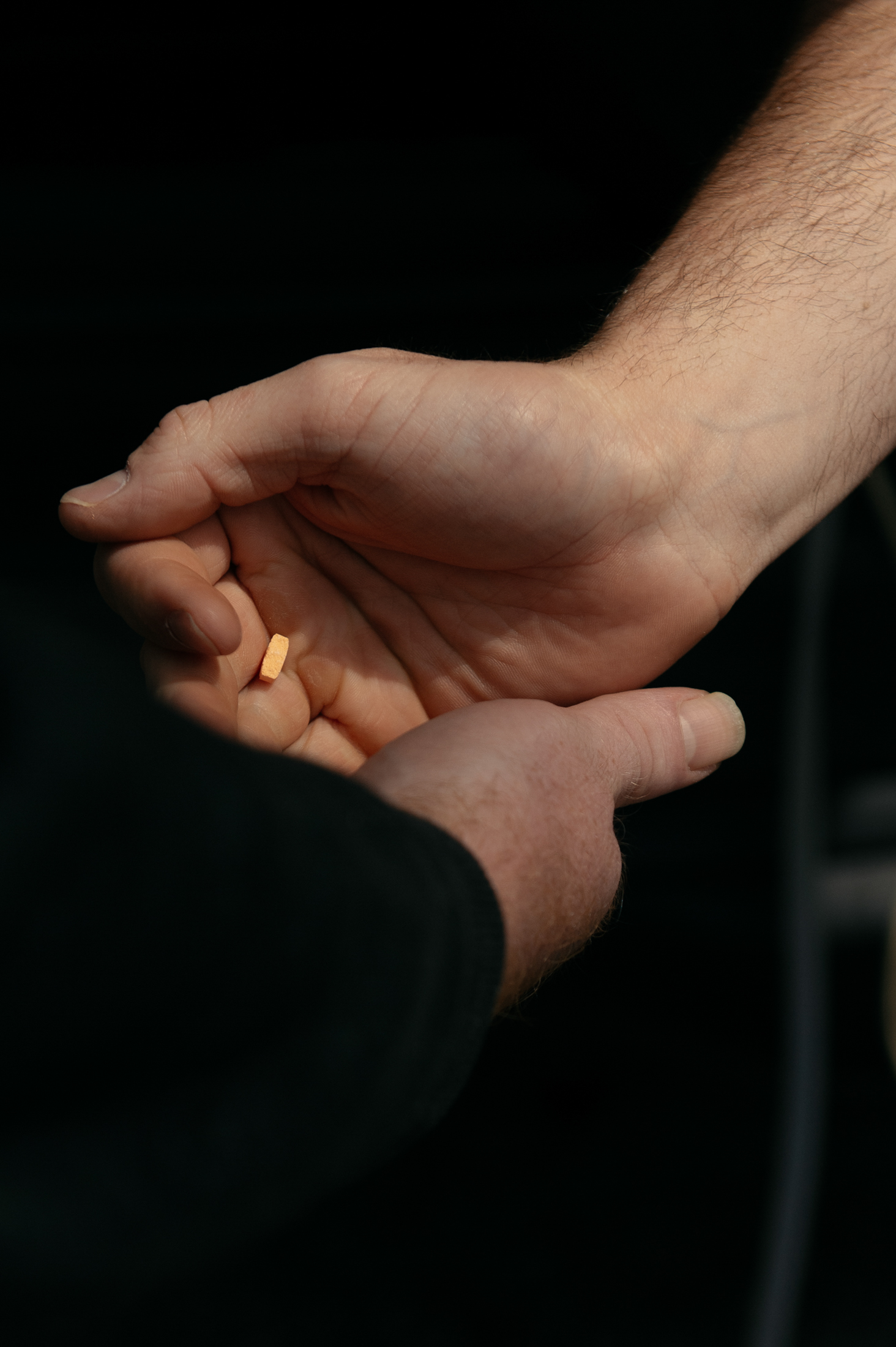
Brandi Hayes (left) works for the Buncombe County Post-Overdose Response Team, which works with recent overdose survivors. Her organization offers treatment services, like Suboxone (right). Jesse Barber / Grist
In the weeks after Hurricane Helene, she and her colleagues slogged through the muck to check on patients, deliver essentials like food and water, and keep people connected to treatment and care. Some stayed on track. Others disappeared. One case in particular has stuck with her: A man who had been doing well in his treatment for opioid use, and had even gotten his license and a car back after a period of suspension for legal issues.
“Then the storm came,” Hayes said. “He had to take care of someone else that wasn’t in the sober mind state that he was in.” He quit going to treatment, started using drugs again, cycled through jail several times, and lost his car.
“I don’t even know where he’s at right now or what he’s doing, ’cause he’s fallen off so bad and not going to appointments and things like that,” Hayes said. When that gets harder for the people she serves, she takes notice. “It’s very easy to backslide.”
The same pattern has played out across Appalachia before. When floods tore through eastern Kentucky in 2022, Jeremy Haney lost nearly everything: his apartment, most of his belongings, and Troublesome Creek Stringed Instrument Company, where he built mandolins by hand. He is in recovery from addiction to painkillers and methamphetamines. A recovery-to-work program had led him to the factory in 2019, and building the instruments had become the bedrock of his life. When the floodwaters receded, the factory was temporarily closed, and it didn’t look likely to reopen soon. He wondered what he’d do next.
“My first initial thought is, ‘OK, our factory’s gone. We’ve got no job,’” Haney recalled thinking. He didn’t want to go back to where he was from in Morgan County, all the way across the state. “I’ve put all this work and effort into relocating and rebuilding my life here in Knott County, and now I’m going to have to start all over again.”
Doug Naselroad, who runs the recovery-to-work program, dreaded telling roughly a dozen men that their jobs had disappeared. Instead, he found funding from the Eastern Kentucky Concentrated Employment Program, a combination of state and federal Department of Labor funding, that allowed them to work in disaster relief. “Nobody missed a paycheck,” Naselroad said. “But they had to rethink what they did for a living, you know, and for months they just slogged away in the mud.”
Haney spent that time cleaning and reorganizing the luthiery and its instruments, determining what could be kept and what had to be thrown away. But the flood had upended the rest of his life. He received $1,800 from FEMA to replace his lost possessions. But after his landlord opted into a FEMA program designed to reduce future disaster risk, the building was cleared and everyone had to move out. Haney spent months searching for a new place to live. The factory eventually reopened, allowing him to return to his usual job as a luthier, but much had changed.
Nearly 9,000 houses and apartments were destroyed in the Kentucky flood, and about 31 percent of the homes in Knott County were damaged. Rental housing was scarce. Even after being approved for federal homeowners’ loans, he struggled to find something within his budget. “There just ain’t that many homes around here that would be cheap enough for me to be able to afford the payment,” he said. His landlord had another apartment come open, but the situation felt unstable.
He worried he might have to return to Morgan County, where he could fall back into addiction. The cleanup job helped keep him grounded. He eventually qualified for an unusual state post-disaster housing program for flood survivors that allowed him to buy his first home last year. He moved in just before Christmas, more than three years after the flood. He credits his support network with helping him get through the long stretch in between — helping him move, find new furniture, and giving him social support.
“That’s a big thing in recovery,” Haney said. “Asking for help.”
For Devon, community connections have made all the difference. He has struggled with depression and long bouts of hopelessness over the last year and a half, but he hasn’t gotten high.
The waning afternoon light moved across the gray carpet of Devon’s apartment as he tried to recall a time when he really felt tempted to use again.
“I’ve thought about it, but very rarely,” Devon said. “If I do, I have a support system where I can call somebody. I would really have to be in a bad place to use.”
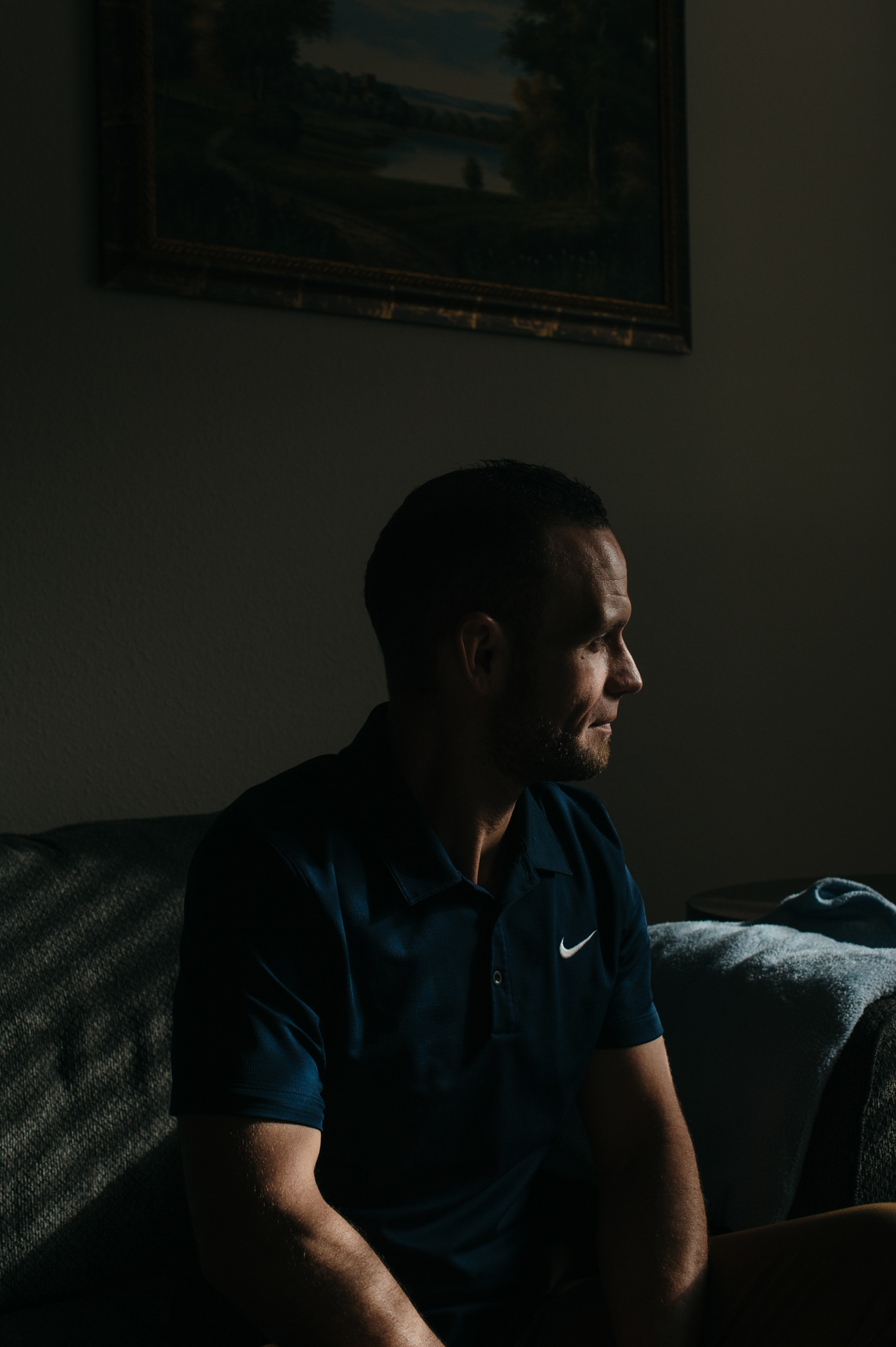
He leans on people who’ve survived their own crises — divorces, bankruptcies, other disasters. While some friends have returned to drug use, he’s been grateful for his sponsor and fellow members of Narcotics Anonymous. “This is, like, why we do what we do — when shit hits the fan,” he said.
His life now is quieter. He keeps up with appointments and stays in touch with friends in recovery. He attends weekly meetings, which he sometimes leads. He’s also returned to individual therapy, which helps him cope with lingering anxiety from the hurricane.
It isn’t the life he once imagined, but for now he has made peace with it. “I try to focus on my daughter,” Devon said. “I’m just doing the best I can.”
Being with her gives his days purpose. He looks after her while his ex-wife is at work, and he’s structured his life and routines around her activities — ballet, gymnastics, kickboxing. For Devon, the structure helps him keep moving forward.
This coverage is made possible through a partnership between Grist and BPR, a public radio station serving western North Carolina.