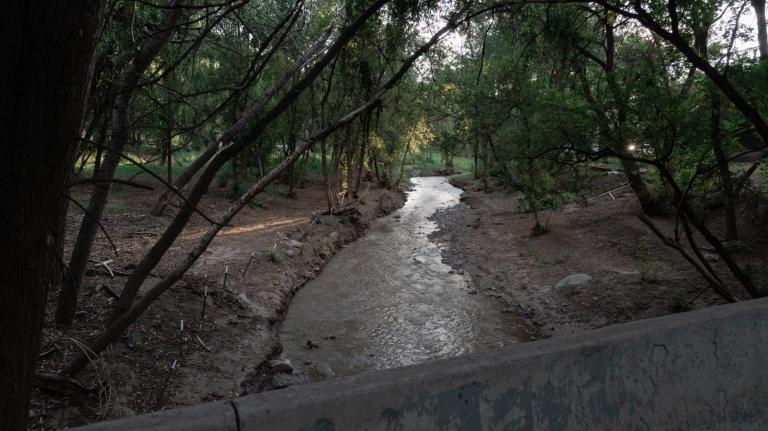
👋 Hi, everybody! This week, we’re talking about what I consider to be a vastly underappreciated ecosystem: prairies. A few years ago, in reporting a story about the Jamestown S’Klallam Tribe’s efforts to revive native camas and other prairie plants that were part of a traditional diet, I learned that western Washington was once home to around 180,000 acres of prairie land — not the landscape one typically associates with the so-called Evergreen State. When European settlers arrived, it was largely seen as land ripe for development, and today very little of it survives.
Prairies certainly are what comes to mind when you think of the Great Plains, where today’s main story takes place — but even there, the grasslands are under threat in some surprising ways.
We’ve also got news for you today about resilience efforts two years after Hurricane Helene, opening arguments in a high-profile climate case, and another review of Digger (yes, really).
This post originally appeared in Grist’s weekly solutions newsletter, Looking Forward. Not on our list yet? Subscribe here to get it in your inbox every Friday.
The race to protect the prairie
iStock / Getty Images Plus
In the world of low-tech climate solutions, planting trees has long been held up as almost a panacea. Trees pull an impressive amount of carbon from the atmosphere as they grow — and they bring other much-needed climate benefits, like shade and evaporative cooling, especially in cities. We also have a certain emotional attachment to trees. They’re big, they’re beautiful. Mary Oliver loves them. The Lorax speaks for them. They are what we might call charismatic megaflora.
But trees do not belong everywhere.
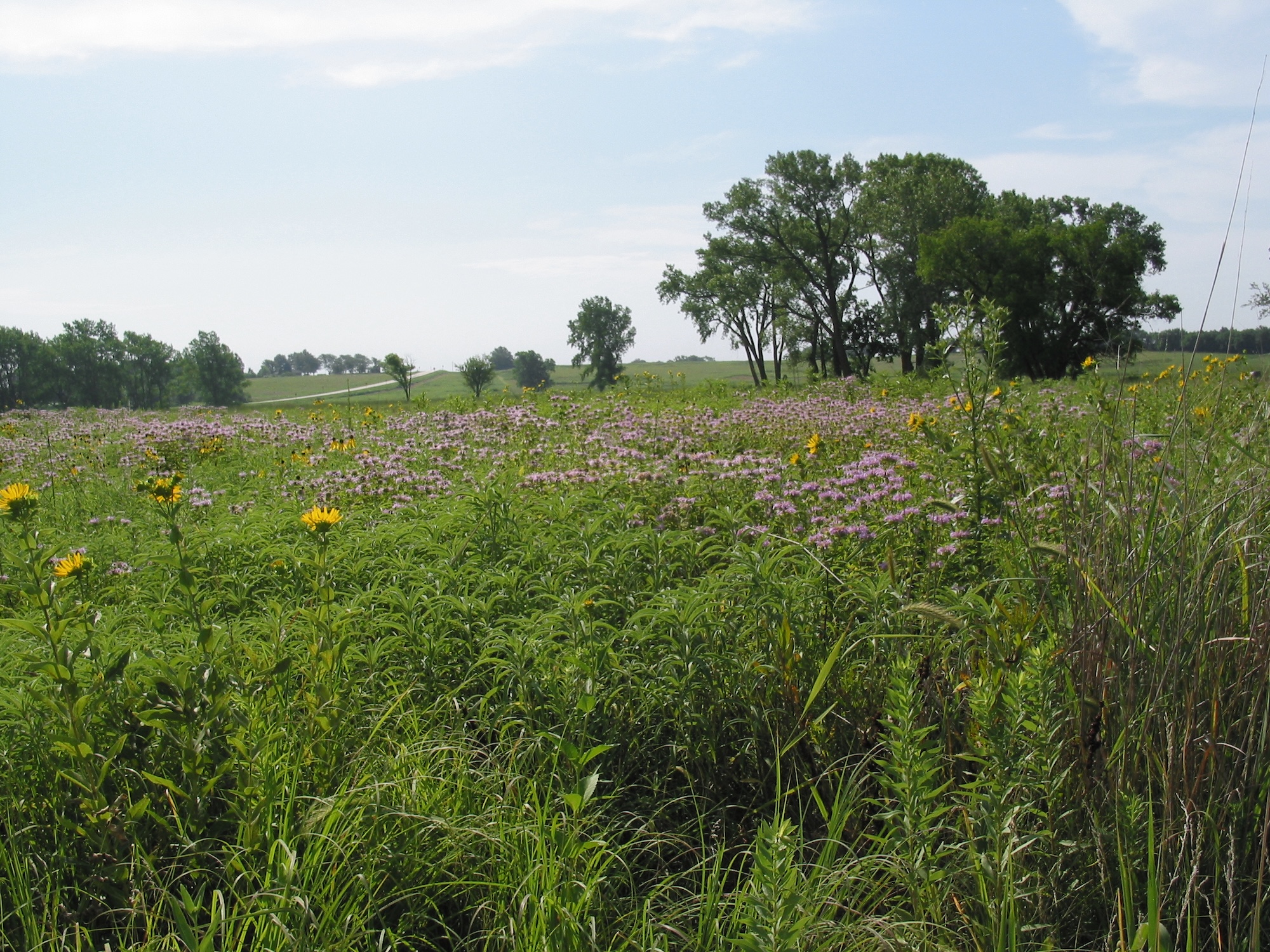
Across the Great Plains, trees are increasingly crowding out the somewhat-less-sexy-but-still-vitally-important native grasses that make up the prairie, as freelance writer Bekah Stolhandske McNeel explored in a story for Grist this week. The phenomenon is known as woody encroachment — or, ominously, the “green glacier.” And conservationists are trying to stop it.
“I was in Nebraska talking to ranchers about water issues on the Ogallala aquifer when I first noticed Shelly Kelly’s water bottle with the sticker: Be a Leader, Cut a Cedar,” Bekah said. “One of the biggest threats to the Sandhills, Kelly told me, was the quickly proliferating eastern red cedar.”
Shelly Kelly is a rancher who grew up on the High Plains, and now also leads a local conservation nonprofit that has, among other things, helped to fund cedar removal efforts.
Cedars are often planted as windbreaks on rangeland, but soon start to take over the land. As Bekah described in her story, these trees grow quickly — about 1 to 2 feet per year. And once they reach 5 feet, they start spreading their seeds as wide as a 200-foot radius. Woody encroachment also goes hand-in-hand with other stressors affecting the balance of prairie ecosystems — like overgrazing, which clears the way for trees and shrubs to grow without competition, and fire suppression, which disadvantages the native grasses that have evolved with fire and lets the trees grow tall.
“Once I knew what I was looking for, I could see it everywhere — not just cedar, but other trees and bushes as well, marching over the plains,” Bekah said.
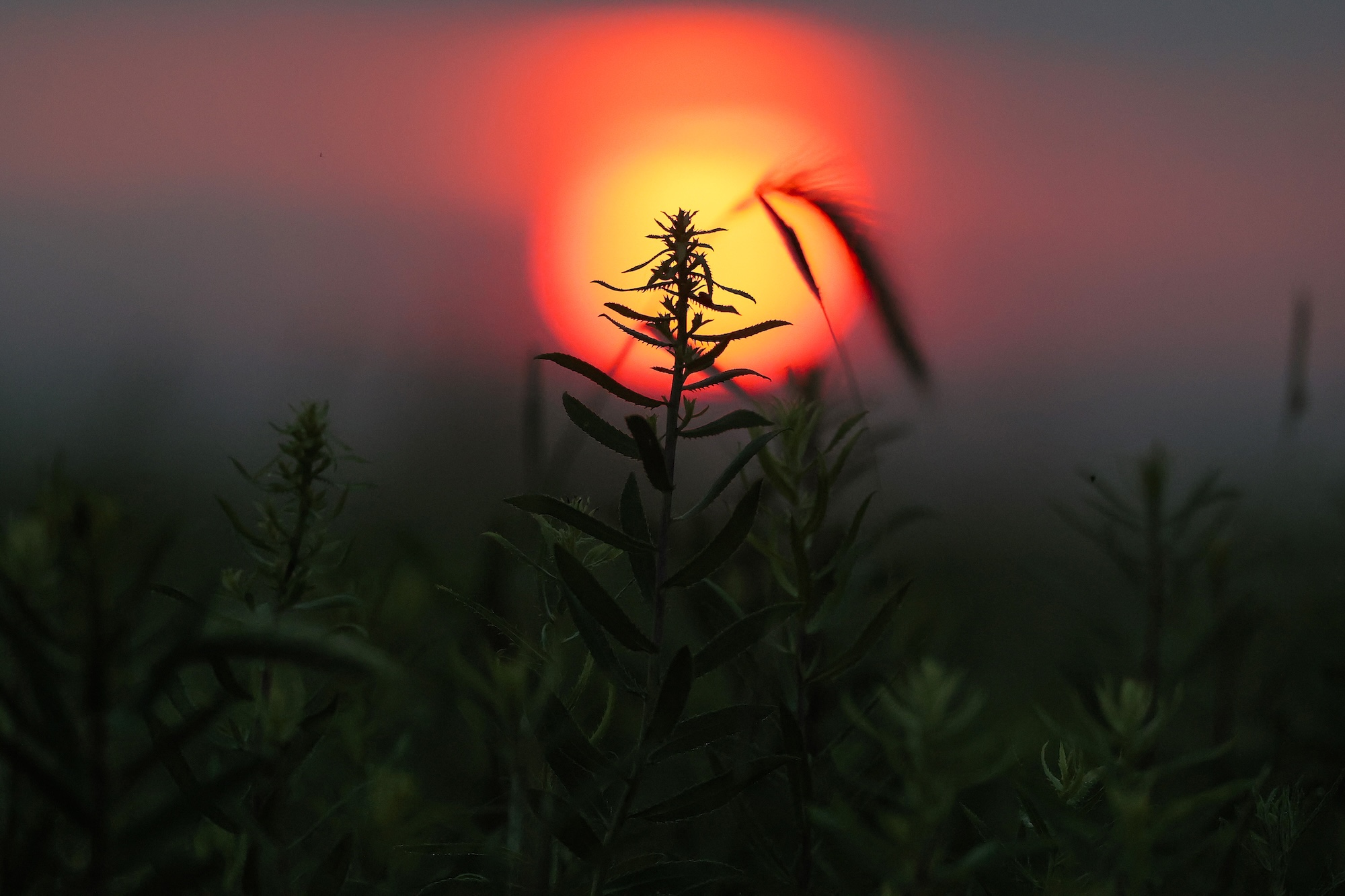
The sun rises over the Joseph H. Williams Tallgrass Prairie Preserve in Osage County in June in Pawhuska, Oklahoma. Heather Diehl / Getty Images
This tree takeover actually has roots in settler colonialism and the Homestead Act of 1862, which accelerated westward expansion and required homesteaders to “improve” their new land by cultivating it. Later laws specifically encouraged the planting of trees. As Bekah noted in her story, prior to 1945, Nebraska’s official state nickname was “The Tree Planter State.” And the trend continues today. Government programs still subsidize tree planting for windbreaks on the Plains — though states like Nebraska are now also offering funding to help cover the costs of removing woody plants.
From a pure carbon sequestration perspective, letting trees take over from grasslands may have some short-term benefits. But ultimately, trees are a less secure carbon sink — they store the bulk of their carbon in their above-ground trunks and branches, where increasingly frequent and intense wildfires can send it up in smoke. Meanwhile, as I learned in reporting about the once and future prairies of Washington state, grasslands store their carbon underground in dense, deep root systems.
There are other reasons to want to protect the prairie apart from carbon storage, too — like preserving biodiversity, access to native foods, and, for ranchers, grazing land.
Stopping the creep of the green glacier may involve using “browsing” critters that eat woody plants, like goats, sheep, and elk, to help contain the spread. Returning fire to the landscape in areas where it’s been suppressed can similarly help to root out young trees before they have a chance to grow thicker, more fire-resistant bark.
But it also requires just what Kelly’s water bottle sticker described: cutting the trees down. It might feel counterintuitive — even wrong — but here in the prairie it’s removing trees, not saving them, that’s the climate solution. And it’s a race against the clock to protect one of the most endangered ecosystems in North America.
The Texas Hill Country, where Bekah hails from, was once predominantly grassland, too. But there, the trees “completed their takeover decades ago,” she said. “The landscape is fundamentally altered, and now efforts to restore the native grasses — much better for water conservation and soil health — face tradeoffs Nebraska doesn’t yet have to consider.” Ashe juniper trees that crowded out the grasslands there now provide habitat for species that adapted to the changed landscape, including some endangered species like the golden-cheeked warbler.
As another of Bekah’s sources told her — Chris Helzer, Nebraska director of science and stewardship for The Nature Conservancy — “To some extent, you can have a prairie that has trees. But there’s a line — when you cross that line, you have a woodland with clearings, not a grassland with trees.”
Dive deeper:
More from Grist
🦺 Be prepared
Two years after Hurricane Helene, communities across western North Carolina have built new skills, new relationships, and new approaches to disaster resilience. In some places that involves solar microgrids to keep the power running, in others it’s power tool classes and lending libraries. Read more
⚖️ Opening scene
The Supreme Court heard opening arguments this week in Suncor v. Boulder, the high-profile climate accountability case that’s kicking off the Court’s 2026-2027 session. The first day of questioning gave little sign as to how the justices will ultimately rule. A four-four tie (Justice Samuel Alito recused himself) would allow the case to proceed in Colorado’s state courts. Read more
🍿 Dig deeper
Another one of my colleagues saw Digger, the big climate movie of the year, and had a different take from the one Grist published last week. So different that she decided to write a rebuttal. In her eyes, the movie is ambitious, self-aware, and actually offers something fresh to the way the climate story is portrayed on the big screen. Read more
In other news
- Following a bipartisan outcry, the Trump administration returns ocean monitoring devices it had tried to remove (The New York Times)
- A new paper outlines how insurance companies could invest in nature-based solutions to drive down risk and save money (Inside Climate News)
- A simple invention could help protect corals from bleaching: Underwater shade umbrellas (Gizmodo)
- A look at how the new permitting reform bill would have affected previous consequential energy decisions (Heatmap News)
- A global pledge to support Indigenous and local land rights exceeded its funding target — but gaps in access remain (Mongabay)
And finally, looking forward to …
… a future of thriving, resilient, and appreciated prairies.
☘️☘️☘️
Whenever you wear your “touch grass” T-shirt to the prescribed burns, your co-lead makes the same joke — that your crew should get shirts made with a different slogan: “smoke grass.” (Hilarious.)
This shirt was your mom’s, and it’s one of your favorites. Apparently, back in the ’20s, it was a common slang for city folk who didn’t spend enough time outside. For your mom and her team, it meant something else. It was about pride in the native grasslands here, and their campaign to protect them. You always think of her, and the work she started, when you wear it.
— a drabble by Claire Elise Thompson
☘️☘️☘️
A drabble is a 100-word piece of fiction — in this case, offering a tiny glimpse of what a clean, green, just future might look like. Want to try writing your own (and see it featured in a future newsletter)? We would love to hear from you! Please send us your visions for our climate future, in drabble form, at [email protected]
👋 See you next week!