Climate Food and Agriculture
Climate + Food and Agriculture
EDITOR’S NOTE
Grist has acquired the archive and brand assets of The Counter, a decorated nonprofit food and agriculture publication that we long admired, but that sadly ceased publishing in May of 2022.
The Counter had hit on a rich vein to report on, and we’re excited to not only ensure the work of the staffers and contractors of that publication is available for posterity, but to build on it. So we’re relaunching The Counter as a food and agriculture vertical within Grist, continuing their smart and provocative reporting on food systems, specifically where it intersects with climate and environmental issues. We’ve also hired two amazing new reporters to make our plan a reality.
Being back on the food and agriculture beat in a big way is critical to Grist’s mission to lead the conversation, highlight climate solutions, and uncover environmental injustices. What we eat and how it’s produced is one of the easiest entry points into the wider climate conversation. And from this point of view, climate change literally transforms into a kitchen table issue.
Featured
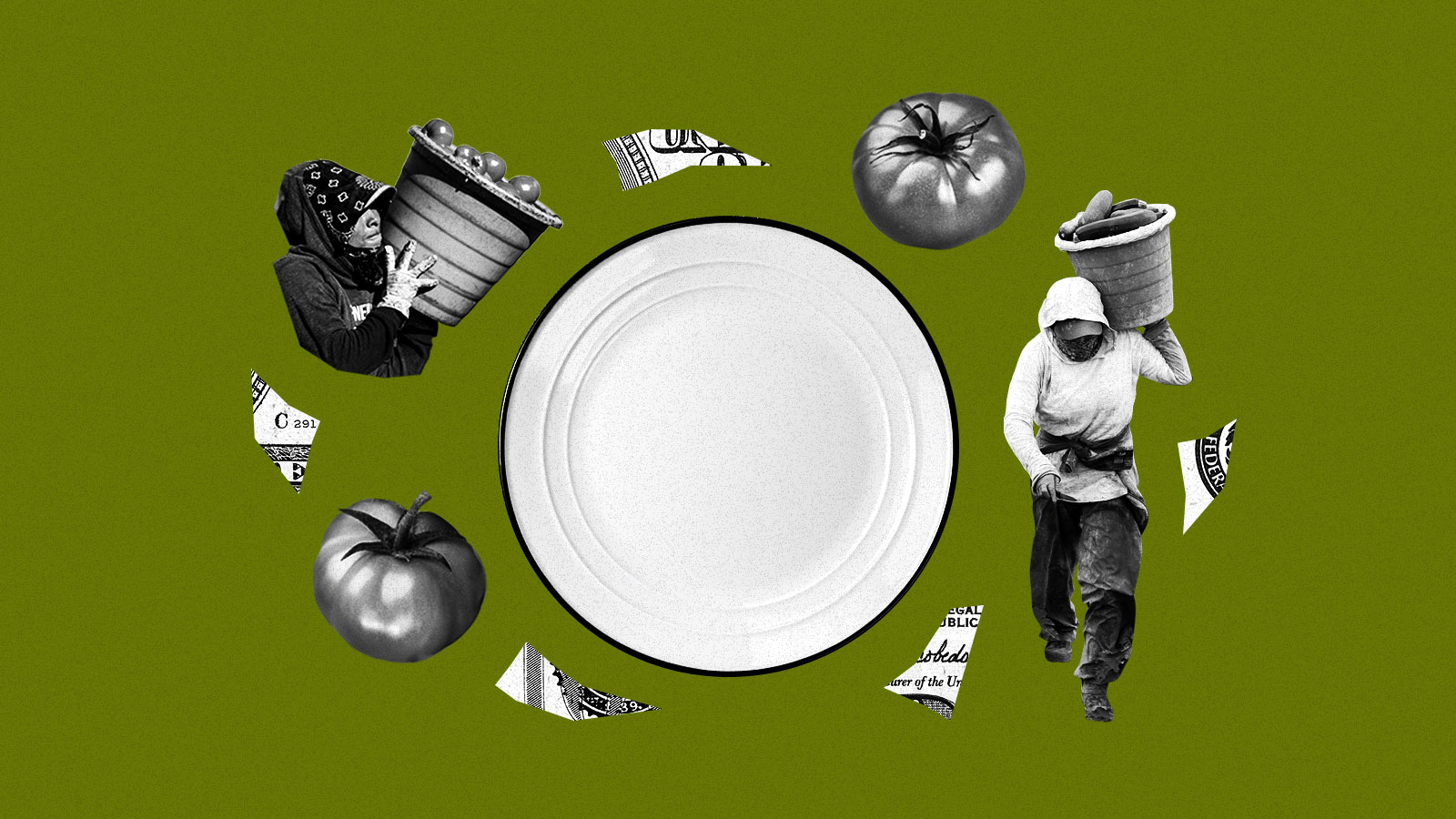
The people who feed America are going hungry
Climate change is escalating a national crisis, leaving farmworkers with empty plates and mounting costs.
Latest Articles
-
![]()
![]()
Green for greens: Philadelphia subsidizes farmers markets
A new farmers market subsidy program for food stamps recipients makes the City of Brotherly Love a just little healthier.
-
![]()
![]()
Run and hide from methyl iodide
Activists gathered in San Francisco to protest the use of methyl iodide, a known carcinogen, as a pesticide on California crops.
-
![]()
![]()
In battle between fuel and food, food is losing worse than ever
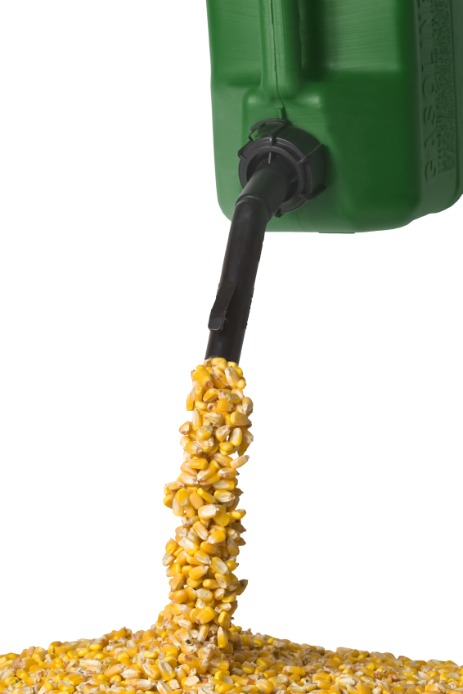
Despite the backlash against ethanol in the U.S. and biodiesel in the E.U., global production of biofuels was up 17 percent in 2010. That's 27.7 billion gallons of liquid fuel for the year. (For reference, the U.S. uses 137 billion gallons of gasoline per year, though that's not directly equivalent because biofuels include biodiesel, and ethanol contains slightly less energy than regular gasoline.)
-
![]()
![]()
Nestle wants you to be scared of organic food
Peter Brabeck-Letmathe trots out tired and debunked arguments against organics, then reveals his company's foray into neutraceuticals, or disease-fighting foods.
-
![]()
![]()
On the road for food justice
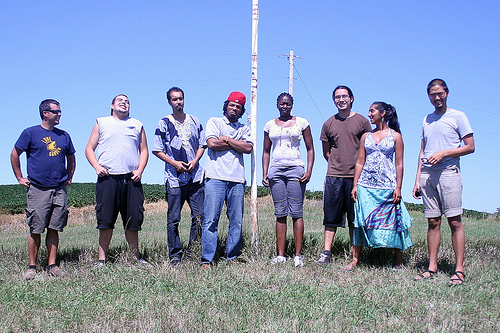
The Food and Freedom Ride is a 2,000-mile voyage from Birmingham, Ala., to Detroit, intended to spread awareness about food justice issues in the US
-
![]()
![]()
Monsanto fail: GMO crops are losing their pest control powers
Monsanto crops bred to thwart western corn rootworms, which love eating corn roots, are no longer are doing their job. The rootworms developed a resistance to the natural pesticide the crops produced and are chowing down.
The alternatives for farmers: buy other genetically modified seeds (which will totally work forever!); spray nastier insecticides; abandon the economic model of monoculture and GMO crops. Guess which one's going to happen. Maybe which two out of three.
-
![]()
![]()
We need more markets — and veggie eaters
Rural residents tend to eat fewer fruits and veggies than their urban counterparts, despite living right next to the fields where produce is grown.
-
![]()
![]()
Waters runs deep: Chez Panisse at 40
Can slow-food pioneer and trailblazing chef Alice Waters transcend white-tablecloth exclusivity to change the way Americans eat?
-
![]()
![]()
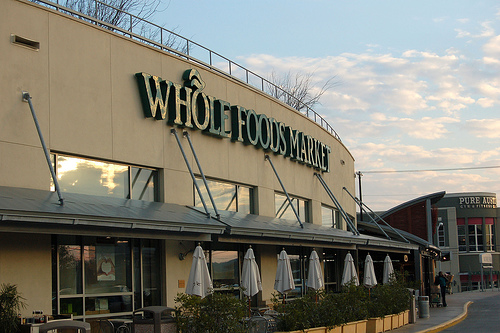
Whole Foods will tell you how to eat healthy, for a price
Unable to tell shiitake from Shinola? Don't know sea bass from a hole in the ground? Don't worry -- as long as you're willing to pay a giant wad of cash every month, you never have to be confused about what a "vegetable" is again. For a mere $49 a month -- only like a quarter of the average person's food budget! -- Whole Foods will hold your hand while you purchase their exorbitantly-priced groceries. In other words, if you're rich enough to eat healthy, you can spend more money to be assured you're eating healthy.
-
![]()
![]()
European farmers spend millions on knock-off pesticides
Buying a knock-off Louis Vuitton bag is one thing, but in Europe, farmers are buying knock-off pesticides. Counterfeit pesticides have become a multimillion industry over there, and if that sounds like bad news, it is: According to the Wall Street Journal, these knock-offs contain a solvent that the European Union banned because it's a huge problem for pregnant women.
The WSJ's article also makes the E.U.'s efforts to deal with the problem sound like a giant clusterf*ck. There are loopholes in counterfeiting laws that mean customs can't seize the fake pesticides. The company that's been ripped off has to deal with the goods and try to recoup costs from counterfeiters, who are obviously the sort of people who'll say, "Whoops, you found me! Here are the millions of euros I made selling nasty, dangerous goods under your name!" (Or, as the WSJ puts it: "[P]ractically this can prove complicated and even impossible, as many of these companies are beyond EU jurisdiction or completely bogus.")