Climate Food and Agriculture

Climate + Food and Agriculture
EDITOR’S NOTE
Grist has acquired the archive and brand assets of The Counter, a decorated nonprofit food and agriculture publication that we long admired, but that sadly ceased publishing in May of 2022.
The Counter had hit on a rich vein to report on, and we’re excited to not only ensure the work of the staffers and contractors of that publication is available for posterity, but to build on it. So we’re relaunching The Counter as a food and agriculture vertical within Grist, continuing their smart and provocative reporting on food systems, specifically where it intersects with climate and environmental issues. We’ve also hired two amazing new reporters to make our plan a reality.
Being back on the food and agriculture beat in a big way is critical to Grist’s mission to lead the conversation, highlight climate solutions, and uncover environmental injustices. What we eat and how it’s produced is one of the easiest entry points into the wider climate conversation. And from this point of view, climate change literally transforms into a kitchen table issue.
Featured
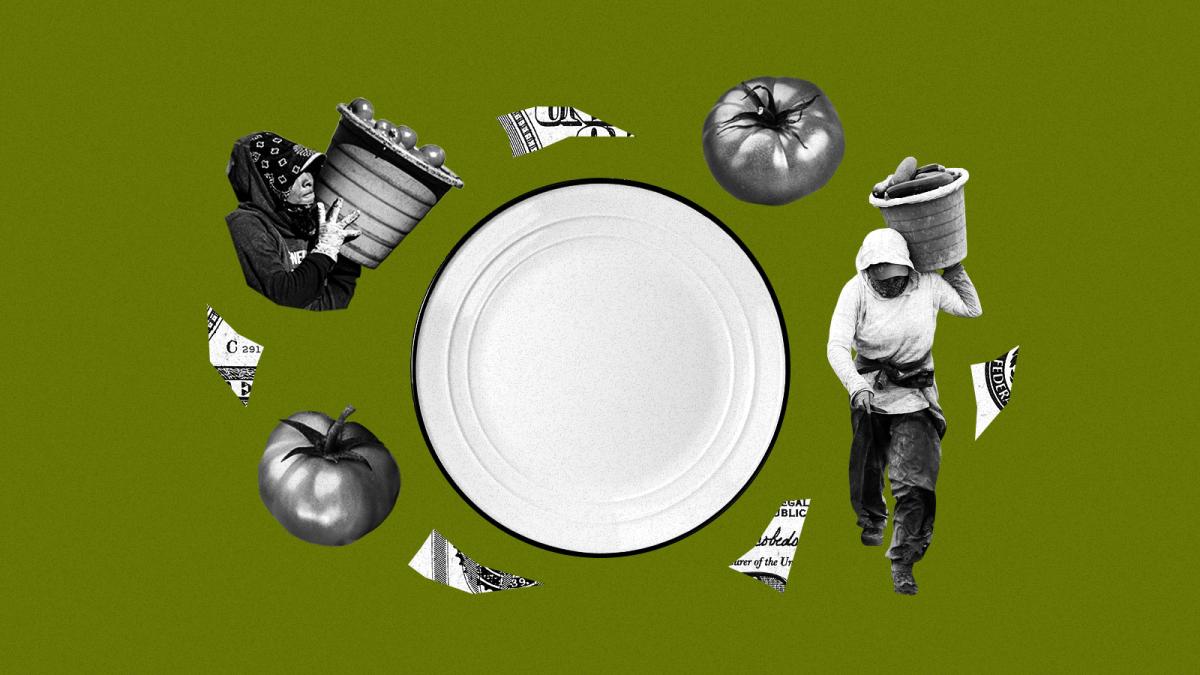

The people who feed America are going hungry
Climate change is escalating a national crisis, leaving farmworkers with empty plates and mounting costs.
Latest Articles
-
Tales from a D.C. school kitchen: Better school food — can we get there from here?
Ed Bruske recently spent a week in the kitchen at H.D. Cooke Elementary School in the District of Columbia observing how food is prepared. This is the last of a six-part series of posts about what he saw. Read parts 1, 2, 3, 4, and 5. Cross-posted from The Slow Cook. And check out the rest […]
-
Tales from a D.C. school kitchen: How food service turns a green school into an enviro hog
Ed Bruske recently spent a week in the kitchen at H.D. Cooke Elementary School in the District of Columbia observing how food is prepared. This is the fifth of a six-part series of posts about what he saw. Read parts 1, 2, 3, 4, and 6. Cross-posted from The Slow Cook. And check out the rest […]
-
Thick as a foggy, drizzly night: smoky-spicy split peas
In Tom’s Kitchen, Grist’s food editor discusses some of the quick-and-easy things he gets up to in, well, his kitchen. He thinks the column name sucks–please help him rename it. Email ideas to tphilpott[at]grist[dot]org. He apologizes for the lame iPhone photography. ———- Photo: Tom PhilpottIt’s been a rough winter up here in these North Carolina […]
-
Tales from a D.C. school kitchen: Hold the fat and please pass the sugar
Ed Bruske recently spent a week in the kitchen at H.D. Cooke Elementary School in the District of Columbia observing how food is prepared. This is the second of a six-part series of posts about what he saw. Read parts 1, 2, 3, 5, and 6. Cross-posted from The Slow Cook. And check out the rest […]
-
Tales from a D.C. school kitchen: What kids will do to avoid vegetables
Ed Bruske recently spent a week in the kitchen at H.D. Cooke Elementary School in the District of Columbia observing how food is prepared. This is the third of a six-part series of posts about what he saw. Read parts 1, 2, 4, 5, and 6. Cross-posted from The Slow Cook. And check out the rest […]
-
A video for the Gourmet-nostalgic
For those nostalgic for Gourmet Magazine, a group in which I count myself, here’s a kind of cheerful wake: a video symposium (impossible to embed, damn it) on the fallen magazine featuring editor Ruth Reichl, restaurant critic Jonathan Gold, and senior editor Laurie Ochoa. Watch it and chuckle a bit at the earnestness, and weep […]
-
Tales from a D.C. school kitchen: How foods that don’t occur in nature end up on your kid’s plate
Ed Bruske recently spent a week in the kitchen at H.D. Cooke Elementary School in the District of Columbia observing how food is prepared. This is the second of a six-part series of posts about what he saw. Read parts 1, 3, 4, 5, and 6. Cross-posted from The Slow Cook. And check out the rest […]
-
Tales from a D.C. school kitchen: What does ‘fresh-cooked’ really mean?
Ed Bruske recently spent a week in the kitchen at H.D. Cooke Elementary School in the District of Columbia observing how food is prepared. This is the first of a six-part series of posts about what he saw. Read parts 2, 3, 4, 5, and 6. Cross-posted from The Slow Cook. And check out the rest […]
-
Drought drives Middle Eastern pepper farmers out of business, threatens prized heirloom chiles
Editor’s note: This marks the launch of Climate Change and Food Culture, a series of posts by Gary Nabhan about how climate change threatens to stamp out some of the globe’s most celebrated foodstuffs, and along with them the farming and cooking cultures that created them. ————- Dazzling diversity under threat: a woman sells peppers […]
-
Anti–school garden campaigner Caitlin Flanagan, on Colbert back in ’06
The Colbert Report Mon – Thurs 11:30pm / 10:30c Caitlin Flanagan www.colbertnation.com Colbert Report Full Episodes Political Humor Economy Okay, this post means nothing in the grand scheme of things. I really should have my nose buried in a report on consolidation in the agriculture sector, or be working on a real article. But ever […]
