Climate Food and Agriculture

Climate + Food and Agriculture
EDITOR’S NOTE
Grist has acquired the archive and brand assets of The Counter, a decorated nonprofit food and agriculture publication that we long admired, but that sadly ceased publishing in May of 2022.
The Counter had hit on a rich vein to report on, and we’re excited to not only ensure the work of the staffers and contractors of that publication is available for posterity, but to build on it. So we’re relaunching The Counter as a food and agriculture vertical within Grist, continuing their smart and provocative reporting on food systems, specifically where it intersects with climate and environmental issues. We’ve also hired two amazing new reporters to make our plan a reality.
Being back on the food and agriculture beat in a big way is critical to Grist’s mission to lead the conversation, highlight climate solutions, and uncover environmental injustices. What we eat and how it’s produced is one of the easiest entry points into the wider climate conversation. And from this point of view, climate change literally transforms into a kitchen table issue.
Featured
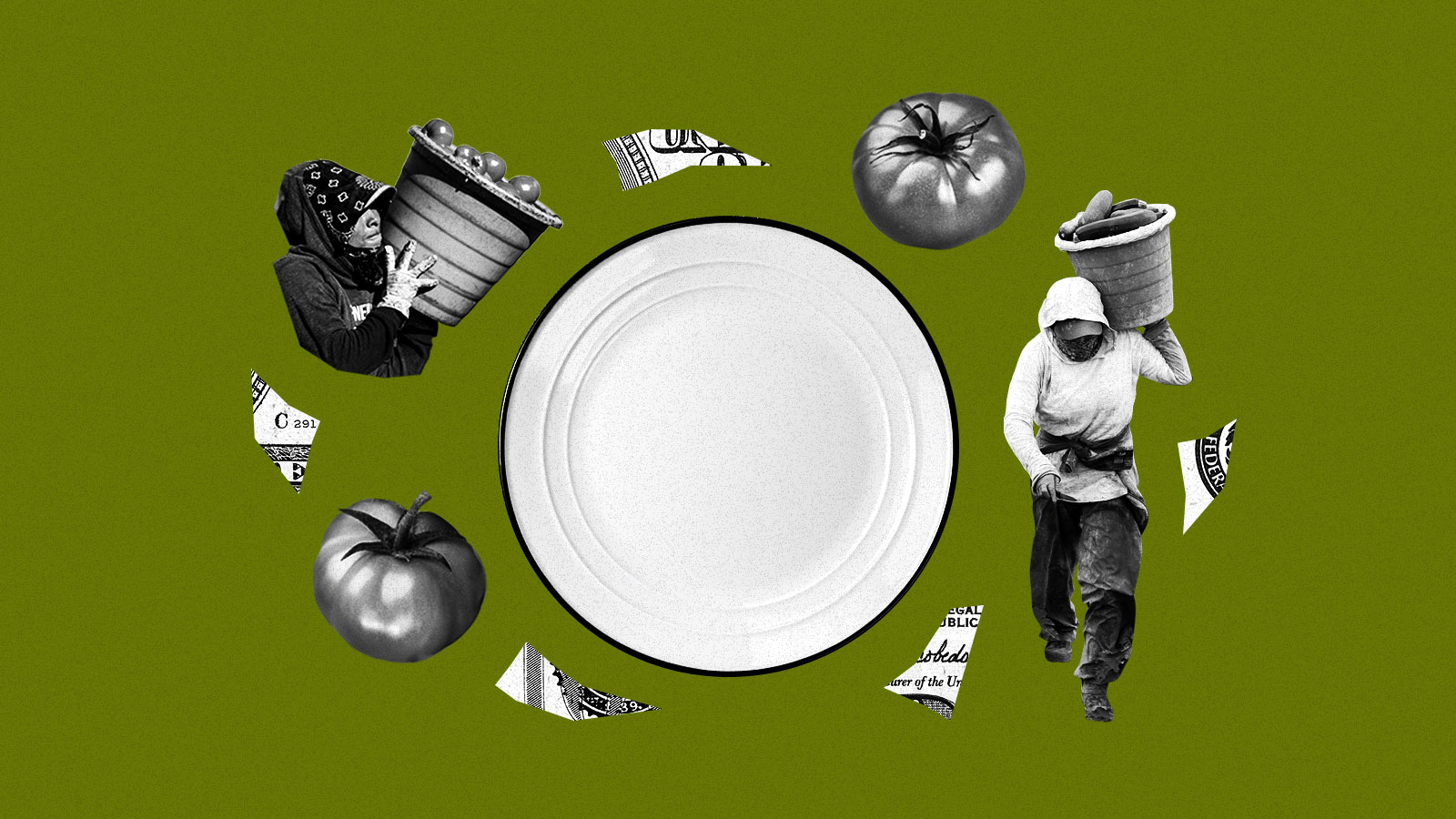
The people who feed America are going hungry
Climate change is escalating a national crisis, leaving farmworkers with empty plates and mounting costs.
Latest Articles
-
The European Union closes fishing season early
It's been said over and over again: Eastern bluefin tuna cannot handle the pressure they face from overfishing. These sleek and powerful fish are unlucky enough to be among the world's most coveted seafood species, and for years scientists have called for a moratorium as a last-ditch effort to save these genetically pure, irreplaceable creatures. While strict quotas have been in place for years, poor quota enforcement and illegal fishing have driven the bluefin to the brink of extinction.
On Monday, the European Union ended the fishing season for most of the Mediterranean's purse seine fleet -- the ships that are responsible for 70 percent of the tuna caught in the Mediterranean. This move could save up to 100,000 bluefin this year alone.
-
As Midwest floods recede, what’s being washed into the groundwater?
Flooded road in eastern Iowa. Photo: Dan Patterson Things are grim in Iowa, arguably the epicenter of global industrial food production. If Iowa were a nation, it would be the globe’s second-largest corn producer, behind only China. The state leads the U.S. [PDF] in the production of corn, hogs, and eggs, and ranks number two […]
-
Icky disease afflicting Alaskan salmon
Alaska’s prized wild salmon are suffering from a disease that scientists suspect of being boosted by — you guessed it — global warming. The emergence of Ichthyophonus as a threat to king salmon has coincided with a steady warming of Yukon River water over the past few decades, which scientists say has welcomed cold-averse parasites […]
-
The great Mark Bittman on how to push meat off the center of the plate
I’m no vegan. I believe that the only truly sustainable agriculture involves raising crops along with animals. I also adore the globe’s cooking traditions, most of which involve integrating meat and/or dairy products with vegetables, grains, and spices. And yet, I’m appalled by this fact, from the USDA: In 2005, total meat consumption (red meat, […]
-
Low-income nabes lead the way in urban farming
The Garden of Hope -- the new community green space I covered this week on Grist -- is just one facet of Brooklyn's community gardening scene.
While writing this story I spoke with Susan Fields of the Brooklyn Botanic Garden's GreenBridge program, which reaches out to neighborhoods all over Brooklyn to encourage and to support many levels of gardening -- from the "Greenest Block in Brooklyn" contest all the way to the Urban Composting Project. "There's a growing focus on urban food production," she told me.
-
As fertilizer flows from the Midwest, a vast algae bloom thrives below the Mississippi
Every year since the early 1980s, a monstrous algae bloom has risen up in the Gulf of Mexico, fed by fertilizer runoff from Midwest farms. The nasty growth sucks oxygen from the ocean beneath it — snuffing out sea life even as climate change and other human-induced factors threaten the globe’s fish stocks. Ironically, as […]
-
Fumes from Minn. dairy force neighbors to evacuate
A giant dairy farm in Thief River Falls, Minn., is producing such noxious fumes that the state health department has advised nearby residents to evacuate. Excel Dairy’s emissions of hydrogen sulfide have been calculated at 200 times the standard allowed by Minnesota law; neighbors’ complaints include headaches, nausea, blurred vision, shortness of breath, and fatigue. […]
-
Tomato salmonella scare hits the big time
Insert everything I said in this post, except now the salmonella-tainted tomato scare has gone nationwide, whereas before, the FDA had been limiting its warning to Texas and New Mexico. Here is Associated Press: Federal officials hunted for the source of a salmonella outbreak in Connecticut and 16 other states linked to three types of […]
-
Vaccine, nut oil may cut cow belching’s contribution to climate change
The worldwide race to quell livestock belching is on! Earlier this month, New Zealand researchers came one step closer to developing a vaccine that would reduce the methane emitted from belching livestock. Ruminant livestock burp and fart significant quantities of methane — a powerful greenhouse gas that contributes to climate change. “Our agricultural research organization […]
-
Climate change, deforestation, erosion take toll on African landscape
A new United Nations atlas depicts alarming changes to Africa’s landscape. On a continent that produces a mere 4 percent of the world’s greenhouse-gas emissions, significant landmarks are taking a hit from climate change: Lake Chad and Lake Victoria are shrinking each year, and Mt. Kilimanjaro could be snow-free by 2020. The deforestation rate in […]
