Climate Food and Agriculture

Climate + Food and Agriculture
EDITOR’S NOTE
Grist has acquired the archive and brand assets of The Counter, a decorated nonprofit food and agriculture publication that we long admired, but that sadly ceased publishing in May of 2022.
The Counter had hit on a rich vein to report on, and we’re excited to not only ensure the work of the staffers and contractors of that publication is available for posterity, but to build on it. So we’re relaunching The Counter as a food and agriculture vertical within Grist, continuing their smart and provocative reporting on food systems, specifically where it intersects with climate and environmental issues. We’ve also hired two amazing new reporters to make our plan a reality.
Being back on the food and agriculture beat in a big way is critical to Grist’s mission to lead the conversation, highlight climate solutions, and uncover environmental injustices. What we eat and how it’s produced is one of the easiest entry points into the wider climate conversation. And from this point of view, climate change literally transforms into a kitchen table issue.
Featured
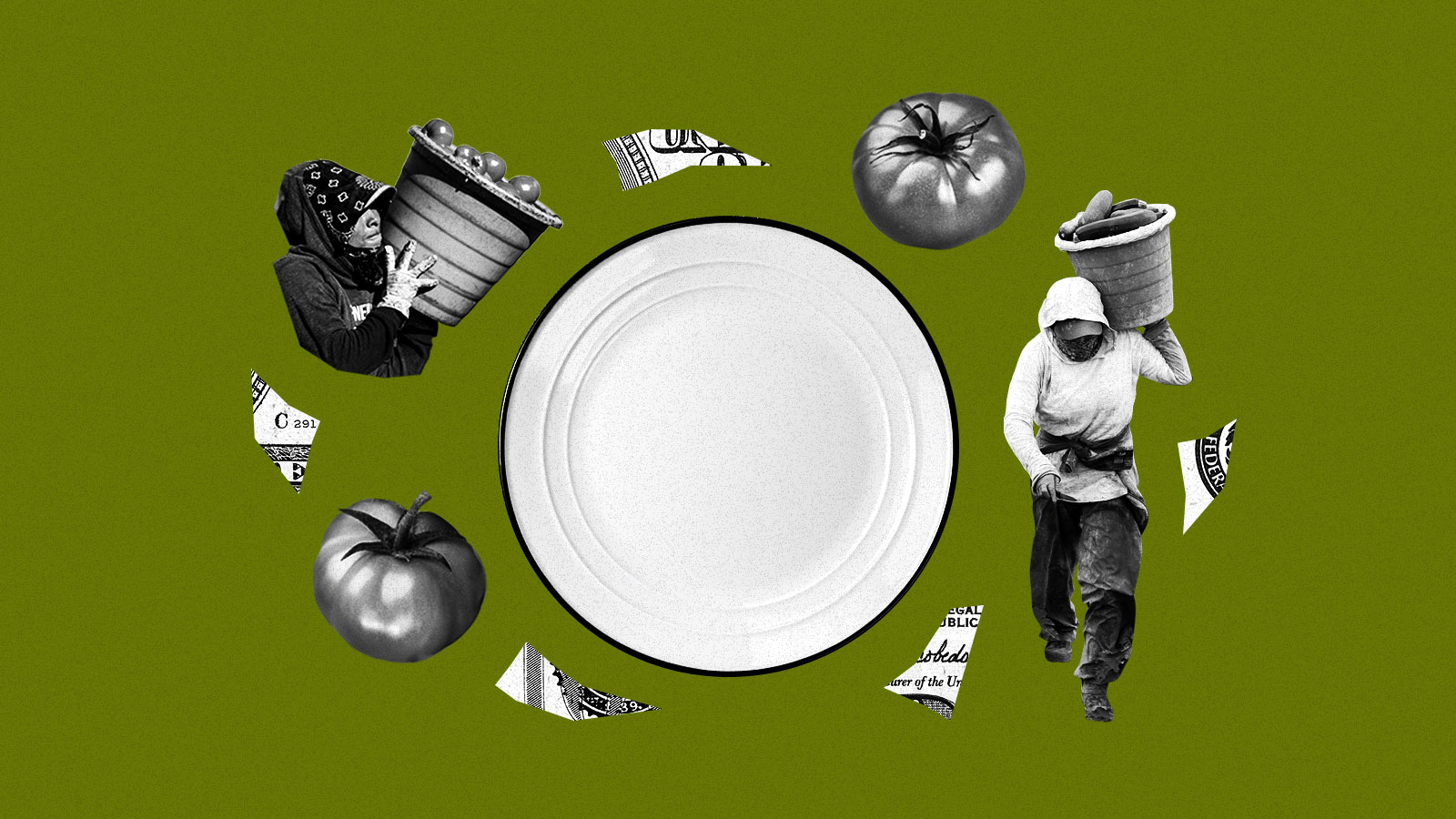
The people who feed America are going hungry
Climate change is escalating a national crisis, leaving farmworkers with empty plates and mounting costs.
Latest Articles
-
With global wheat stocks at all-time lows, a killer fungus looms
Remember awhile back, when a fertilizer magnate raised the specter of global famine? He said: If you had any major upset where you didn’t have a crop in a major growing agricultural region this year, I believe you’d see famine … We need to have a record crop in 2008 just to stay even with […]
-
‘Downergate’ reveals gaps in mad-cow testing and trouble in school-lunch sourcing
In Meat Wagon, we round up the latest outrages from the meat and livestock industries. Remember those “downer” cows that got forced through the kill line and into the food supply in California’s Westland/Hallmark beef-packing plant — the ones caught on tape by the Humane Society of the United States? Rest assured, friends — that […]
-
Farmers and processors organize against genetic contamination
Here in the United States, upwards of 70 percent of corn and 90 percent of soy are genetically modified. Given that corn and soy end up in just about everything — livestock rations (and thus meat, milk, and eggs), nearly all processed foods, and even our gas tanks, avoiding genetically modified organisms (GMOs) is tricky. […]
-
Legalizing hemp would help environment and economy, says report
The U.S. war on non-smokable hemp hurts the environment and the economy, according to a new report from the free-market-promoting Reason Foundation. To wit: Hemp fiber requires six times less manufacturing energy on average than polyester fiber, and requires less pesticides and water than cotton. Hemp can be used to make paper, fiberglass, and cement, […]
-
Conventional milk contains toxics, says the USDA
The Organic Center acts as a kind of shadow USDA, digesting the latest peer-reviewed research on organic food, translating it into English, and issuing summary reports. Consumers won’t want to miss the center’s newest one on pesticide residues [PDF]. It contains one of those handy guides on which conventional fruits and veggies convey the most […]
-
A post-petroleum American dream
"This craziness is not sustainable," concludes The New York Times op-ed columnist Bob Herbert, and he's talking about the economy, not the environment. He continues:
Without an educated and empowered work force, without sustained investment in the infrastructure and technologies that foster long-term employment, and without a system of taxation that can actually pay for the services provided by government, the American dream as we know it will expire.
And without petroleum. Oil is shooting over $100 per barrel, caused ultimately by a looming decline in global supply, and exacerbated by rising demand in China and India, foolish policies such as the occupation of Iraq, and repressive regimes such as in Nigeria. And if we are serious about reducing carbon emissions to near zero in order to avert climate catastrophe, we must scale back our use of petroleum to near zero.
While we're learning to live without petroleum, we need to rebuild the workforce, infrastructure, technologies, and tax system, as Herbert suggests. I will argue in this post that we can accomplish all of these goals by replacing internal combustion engines with electric motors, using other energy sources for other petroleum uses, and perhaps most importantly, by changing the arrangement of the buildings, production, and people in our society in order to eliminate the need for so much petroleum.
In order to understand how to accomplish all of this, we need to know how petroleum is used, so let's look at some numbers!
-
Biodiesel company convinces B.C. restaurants to switch oils
Came across this piece about a biodiesel company in British Columbia that’s convincing restaurants to switch to a lighter, healthier cooking oil so it can buy the oil and turn it into biodiesel. And partly I’m just excited because the program, called Restaurant Green Zone, is finding the biggest success in Chilliwack! And that’s fun […]
-
Pushing for ‘fair food’ on campus in the land of hog factories
Last year, a bunch of students at the University of North Carolina at Chapel Hill got tired of the industrial dreck served up in the cafeteria. They discovered that the landscape around them was producing some amazing, chemical-free meat and produce and set about figuring out how to get some in school dining halls. Photo: […]
-
An honest, interesting statement from Piedmont Biofuels of North Carolina
I’m a fierce critic of biofuels, but I’ve always had a soft spot for small, region-based biodiesel projects that create fuel from local resources, providing jobs in the bargain. (I proudly ran Emily Gertz’s feature on the topic in our 2006 biofuels series.) The income from such projects remains within communities, rippling around and building […]
-
Norway says whale consumption is good for the planet
Eating whale meat is better for the planet than eating beef, pork, or chicken, according to a comparative carbon-emissions calculation by Norwegian lobbying group the High North Alliance. Says the alliance’s Rune Froevik, in what may be a bit of an exaggeration, “Basically it turns out that the best thing you can do for the […]
