Climate Food and Agriculture

Climate + Food and Agriculture
EDITOR’S NOTE
Grist has acquired the archive and brand assets of The Counter, a decorated nonprofit food and agriculture publication that we long admired, but that sadly ceased publishing in May of 2022.
The Counter had hit on a rich vein to report on, and we’re excited to not only ensure the work of the staffers and contractors of that publication is available for posterity, but to build on it. So we’re relaunching The Counter as a food and agriculture vertical within Grist, continuing their smart and provocative reporting on food systems, specifically where it intersects with climate and environmental issues. We’ve also hired two amazing new reporters to make our plan a reality.
Being back on the food and agriculture beat in a big way is critical to Grist’s mission to lead the conversation, highlight climate solutions, and uncover environmental injustices. What we eat and how it’s produced is one of the easiest entry points into the wider climate conversation. And from this point of view, climate change literally transforms into a kitchen table issue.
Featured
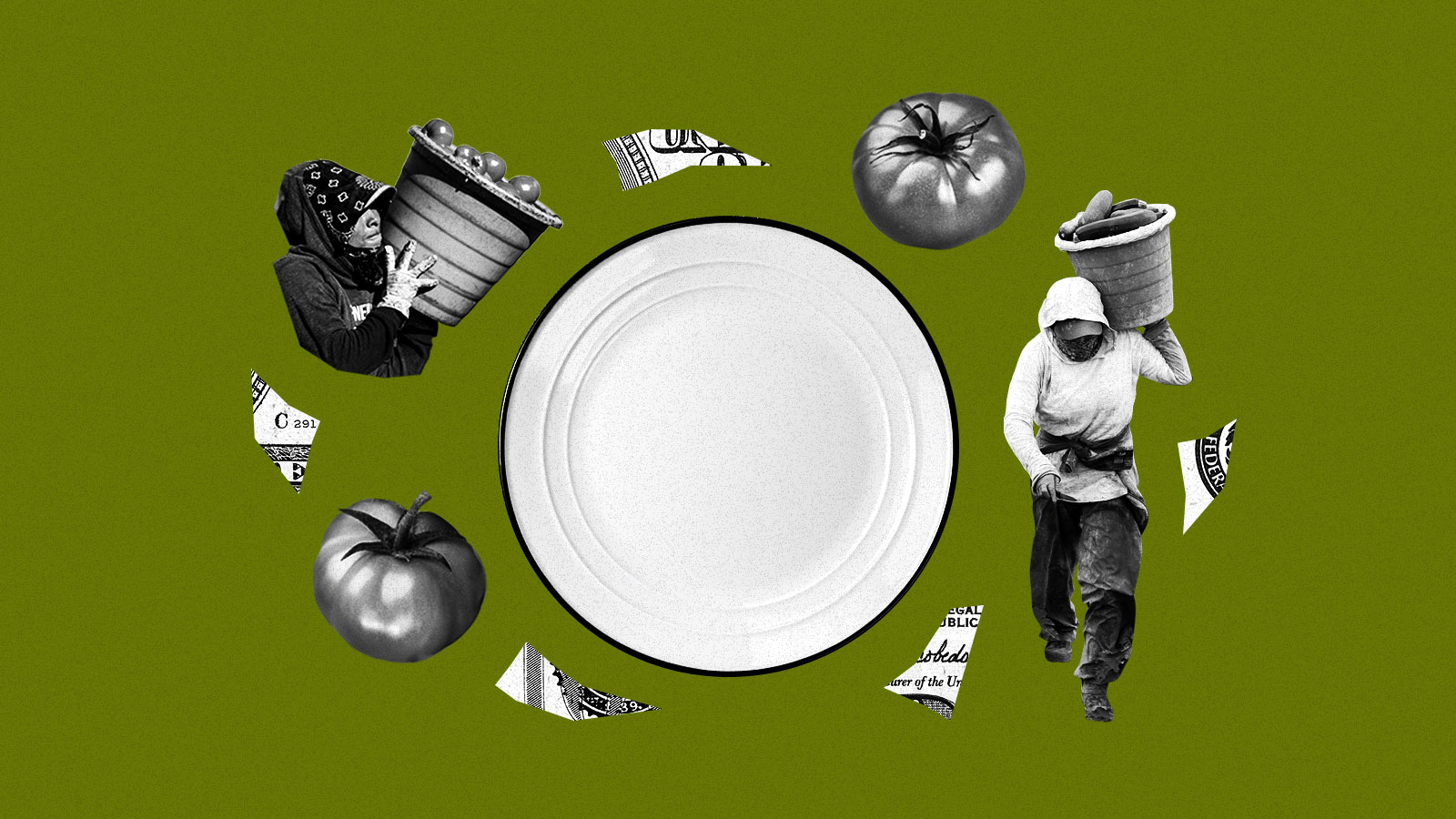
The people who feed America are going hungry
Climate change is escalating a national crisis, leaving farmworkers with empty plates and mounting costs.
Latest Articles
-
An interview with Carol Moseley Braun about her biodynamic food company
This election season, Carol Moseley Braun isn’t gunning to become the first black president or the first female president. (Been there, done that.) Instead, she’s trying to break ground in another arena, one she considers vastly more satisfying than politics: food. Healthy, organic, biodynamic food. Carol Moseley Braun. Photo: AP / Seth Perlman In 2002, […]
-
A full-flavored attack on industrial food
Edible Media takes an occasional look at interesting or deplorable food journalism on the web and off. I have to admit, when I think of vegan fare, I first picture little lumps of soy curd, swimming in a brown pool of Bragg’s Liquid Amino Acids — perhaps with a spear or two of oversteamed broccoli […]
-
Ammonium drifts into national parks
You may not be able to smell cow poop in Yellowstone, Glacier, and Rocky Mountain National Parks, but the air there has become increasingly contaminated with nitrogen compound ammonium, says a recent report from the National Park Service. Possibly originating in concentrated animal feeding operations, ammonium in the three parks — as well as six […]
-
Edna Lewis, late doyenne of traditional southern fare, in Gourmet
Edible Media takes an occasional look at interesting or deplorable food journalism on the web. The January issue of Gourmet is devoted to the food of the U.S. south — probably our sturdiest regional culinary tradition. I adore southern cooking, and the issue had my stomach grumbling from start to finish. I can think of […]
-
Unlike the U.S., European governments are cutting back on agrofuel goodies
European biodiesel makers have entered a rough patch. The price for their main feedstock, rapeseed, has risen more than 50 percent since the beginning of the year. But the price of the final product, biodiesel, has plunged, because producers are churning out far more biodiesel than the market can absorb. Similar conditions hold sway among […]
-
No holiday cheer from the meat industry
This isn’t what you want to hear about in the wake of the holiday feast, but here goes. From a meat-industry trade journal: A new strain of swine influenza — H2N3, which belongs to the group of H2 influenza viruses that last infected humans during the 1957 pandemic, has been identified by researchers. However, this […]
-
Let the nativists try eating their words
The prognostication game is a tricky one, but here are two wild guesses: 1) Lou Dobbs will enjoy a robust meal today; and 2) he’ll issue some stark platitude, either to chortling table mates or millions of viewers of his CNN show, denouncing the "illegal aliens" who sneak in to "leach America’s prosperity" or some […]
-
U.S. EPA proposes easing reporting requirements for factory farms
The U.S. EPA has proposed a “better approach” to making factory farms report their levels of air-polluting emissions — don’t make ’em report them at all! Under a proposal put forth today, commercial livestock operations would not have to report hazardous chemical pollution if the source was animal waste. The rule change, which would exempt […]
-
Why “the end of cheap food” isn’t automatically a good thing
A decade ago, a barrel of oil fetched little more than $10. While the bargain-priced oil gushed, SUVs roared out of dealer lots and carbon emissions rose steadily. To a lot of people concerned about climate change, the time seemed ripe for a steep jump in oil prices. We’re in for some roughage. Photo: iStockphoto […]
-
The E. coli outbreak’s continuing negative effect on wildlife
Farming is often seen as in conflict with wildlife, but it needn't be. The Wild Farm Alliance is a grassroots group that's trying to chart a new direction. They don't just talk about how agriculture can coexist with cougars and wolves, though. It's also about the little guys -- the birds and rodents that live in the wild margins between fields.
That's why the USDA's proposed Leafy Green Marketing Agreement (a national version of the California program of the same name, which came about after last year's E. coli outbreak) has them riled, and rightly so.
