Climate Food and Agriculture
Climate + Food and Agriculture
EDITOR’S NOTE
Grist has acquired the archive and brand assets of The Counter, a decorated nonprofit food and agriculture publication that we long admired, but that sadly ceased publishing in May of 2022.
The Counter had hit on a rich vein to report on, and we’re excited to not only ensure the work of the staffers and contractors of that publication is available for posterity, but to build on it. So we’re relaunching The Counter as a food and agriculture vertical within Grist, continuing their smart and provocative reporting on food systems, specifically where it intersects with climate and environmental issues. We’ve also hired two amazing new reporters to make our plan a reality.
Being back on the food and agriculture beat in a big way is critical to Grist’s mission to lead the conversation, highlight climate solutions, and uncover environmental injustices. What we eat and how it’s produced is one of the easiest entry points into the wider climate conversation. And from this point of view, climate change literally transforms into a kitchen table issue.
Featured
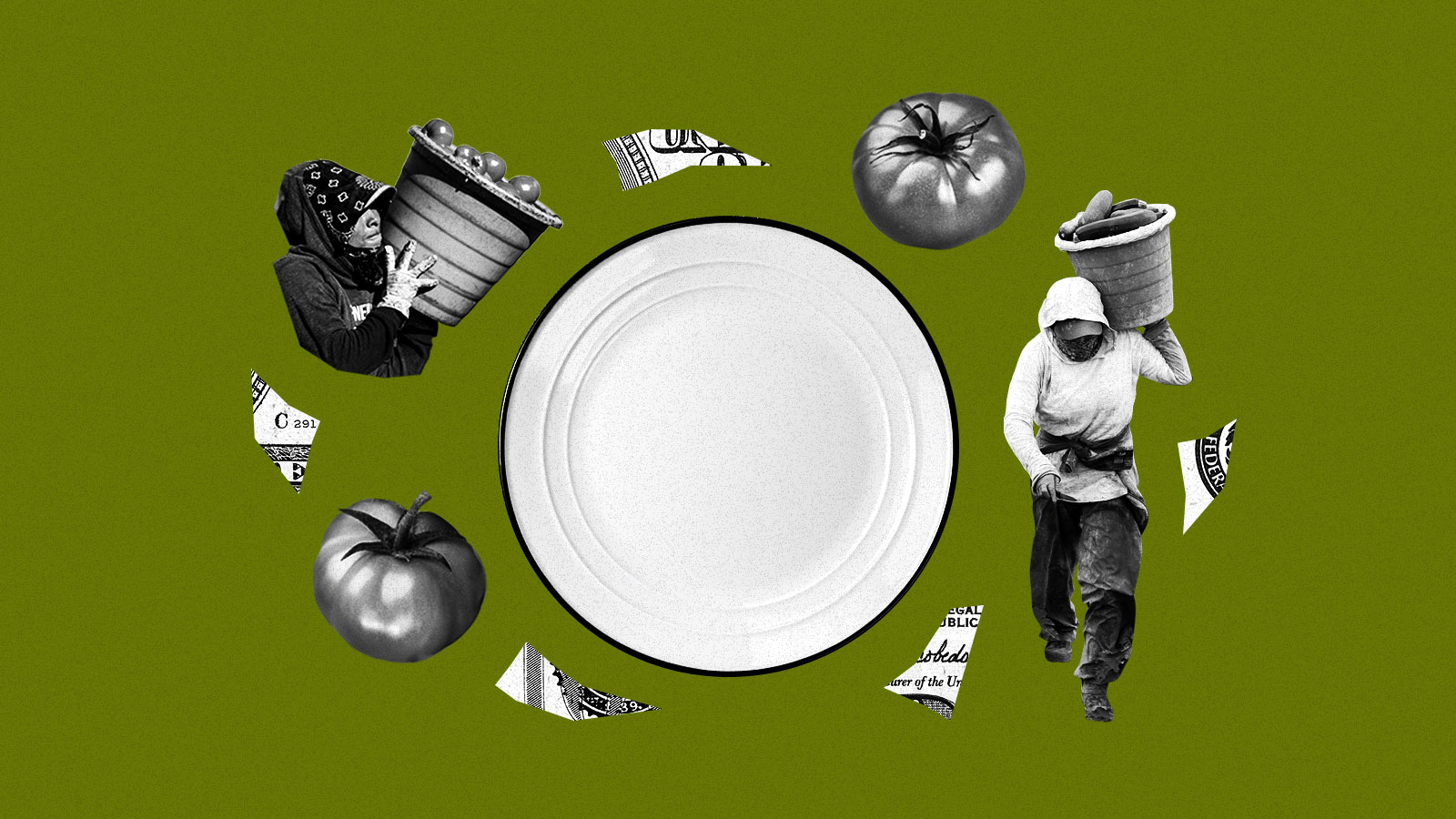
The people who feed America are going hungry
Climate change is escalating a national crisis, leaving farmworkers with empty plates and mounting costs.
Latest Articles
-
A Bunch of Debunk
Debate Over Benefits of Organic Food Heats Up The market for organic food is exploding, and as any star of teen movies can tell you, with success comes backlash. Some of the organic-food industry’s more enthusiastic backers have made lofty claims about the health benefits the foods confer, and now some scientists (and some industry-backed […]
-
If We Weren’t Already Fireproof, This Would Burn Us Up
Flame Retardants Found in Many Grocery-Store Foods A new study of grocery items like fish, meat, and dairy products revealed that virtually all of them contain detectable levels of PBDEs, human-made chemical fire retardants used in carpeting, electronics, and furniture that may or may not cause cancer. (We’ll get to the “may or may not” […]
-
Yes, We Have Mo’ Bananas
Australians Kick Some Renewable-Energy Butt Those Australians are busy bees these days! One team of Aussie researchers has announced that within seven years it will be able to produce hydrogen fuel from sunlight and water, in a process that has no moving parts and produces no pollutants. “This is potentially huge, with a market the […]
-
Umbra on organic syrup
Dear Umbra, I saw at the store there is “organic” maple syrup. Is there really a difference between organic and non-organic maple syrup? Do conventional farms spray the trees with massive amounts of pesticides? I don’t have much money (poor college student) so I was just trying to buy organic for things like apples and […]
-
Umbra on hydroponic farming
Dear Umbra, What are the advantages of hydroponics, and if it is so good, why isn’t it used more? LukeMitchellville, Iowa Dearest Luke, Plants take up most of their nutrients through their roots, despite all we learned in elementary school about leaves making food from the sun. Soil is a complex conglomeration of minerals, nutrients, […]
-
Umbra on genetically modified foods
Dear Umbra, Is most of the genetically modified food that makes its way into our grocery aisles really that harmful? It seems to me that the process of genetic modification is not that far from hybridizing and other tinkering processes that we’ve come to accept. Judi Boston, Mass. Dearest Judi, We don’t know, and that’s […]
-
![]()
![]()
Michelle Nijhuis reviews Against the Grain by Richard Manning
What's for dinner at your house? Unless you're a strict Atkins adherent, chances are you've got at least one of the world's four top crops on your plate. Corn, wheat, rice, and potatoes account for about two-thirds of the world's nourishment; from French fries to brown rice, these familiar starches dominate humanity's diet.