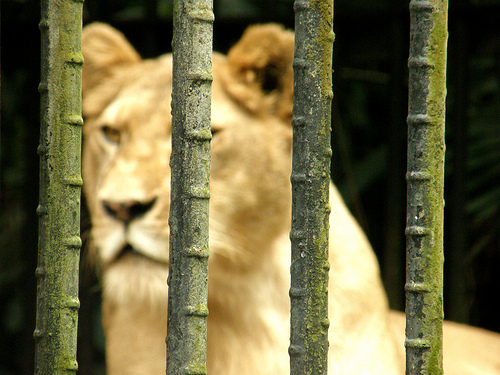
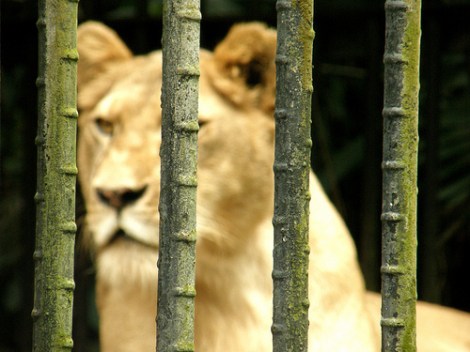
Simon Bolivar Zoo opened in 1921, in the Costa Rican capital San José. Although it’s small, it holds more than 300 animals of 70 different species — monkeys and jaguars and crocodiles and a lion. The Santa Ana Conservation Center, which opened in the 1970s, is much larger — 128 acres of trails and dry tropical forest, with an agricultural history museum on the ground.
The Costa Rican government is closing them both, and returning the animals that live there back to the wild.
The country’s environmental minister announced late in July that “We are getting rid of the cages and reinforcing the idea of interacting with biodiversity in botanical parks in a natural way,” Treehugger reports. By 2014, instead of zoos, the two pieces of land will be “urban parks or gardens where wildlife can visit and live freely if they so choose,” says Treehugger, and the zoo’s current inhabitants will be placed in forest preserves or wildlife sanctuaries. They’ll still be there to look at — but only if you know how to find them, and if they want to be seen.
A message from
Your support keeps our climate news free.
Grist is the only award-winning newsroom focused on exploring equitable solutions to climate change. It’s vital reporting made entirely possible by loyal readers like you.
At Grist, we don’t believe in paywalls. Instead, we rely on our readers to pitch in what they can so that we can continue bringing you our solution-based climate news. Donate today to keep our site free.