👋 Hi there, everyone. In today’s newsletter, we’re covering a topic that I’m willing to bet has been on your mind of late: extreme heat — and what you can do to stay safe when it arrives on your doorstep.
We’ve also got our typical solutions news roundup for you all, and a story that isn’t quite in the realm of climate progress, but I think you should read anyway. It’s about a hacking attack on a group of activists in 2016 who were trying to hold the company Exxon Mobil accountable for knowingly contributing to climate change for decades, and what they’re learning about who may have ordered the hack. More below.
This post originally appeared in Grist’s weekly solutions newsletter, Looking Forward. Not on our list yet? Subscribe here to get it in your inbox every Friday.
Don’t underestimate heat
Justin Sullivan / Getty Images
You may be getting tired of seeing headlines like this one: Western Europe just set the record for its hottest June ever. I know I am. Every new record smashed fills me with dread — especially when I consider that, on our current trajectory, this record-breaking summer will be one of the coolest for the rest of my lifetime.
We’ve covered extreme heat, and some of the ways we can prepare for it, in this newsletter before. But with yet another heat dome sitting over much of the U.S. this week, it bears discussing again. And as my colleagues at Grist are covering new developments in the ever-unfolding story of heat and what it does to us (like the fact that the world’s oceans are experiencing their own heat wave right now, likely contributing to more extreme weather on land), we also put together an explainer that synthesizes some of the reporting we’ve done over many years on the basics of heat, why it’s so dangerous, and what steps you can take to protect yourself and your community.
The main takeaway: Don’t underestimate heat.
Heat waves (periods of unusually hot weather) are one of the most obvious consequences of global warming. Our planet is, on average, getting hotter. Unfortunately, heat is also the single deadliest type of extreme weather. A sweeping report last year found that heat kills one person every minute, and that rate has risen 23 percent since the 1990s.
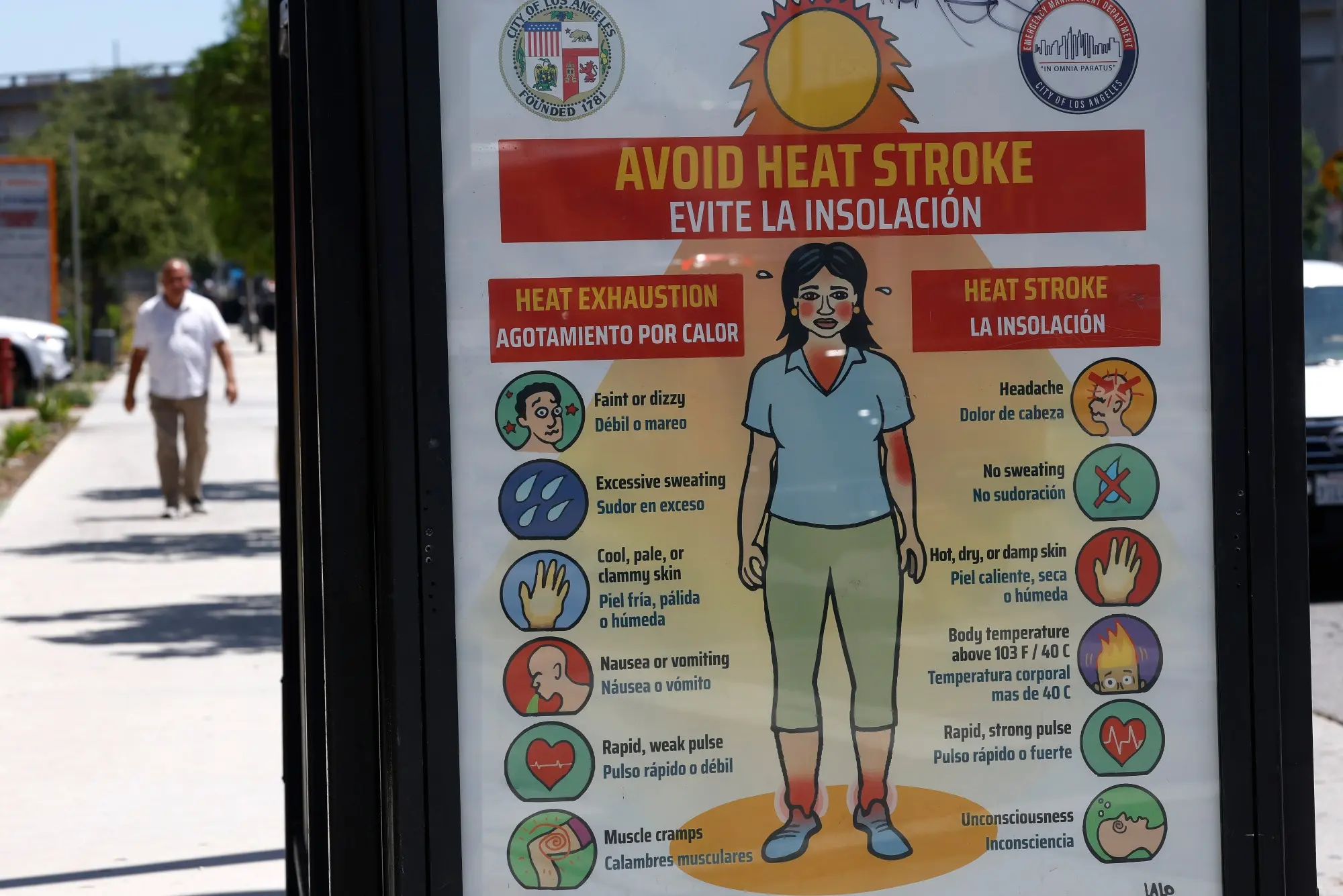
You probably know what it feels like to be too hot. Your blood pounds, your skin flushes, it becomes hard to think. (More concerning symptoms, like cramps, dizziness, or nausea may be signs of heat exhaustion. If that happens to you or someone you’re with, it’s best to take action quickly — move to a shaded or air-conditioned spot if possible, drink water, or try lying down with elevated legs or applying damp cloths.)
But heat impacts us in more subtle ways, too. It quite literally keeps us up at night, stealing about 45 hours of sleep per person per year. It affects our mental health. And repeated exposure to extreme temperatures can lead to cardiovascular disease, kidney disease, and other conditions.
The ways we protect ourselves in the face of worsening heat are not difficult to grok. Basically: Get cool.
At home, block off windows to prevent the sun from pounding in. Seal up cracks and leaks letting hot air in and cool air out. If you don’t have AC, you can build a DIY air conditioner (affectionately known as a swamp cooler) with a few pieces of relatively low-cost equipment (this works best in dry heat). Since humidity contributes a great deal to the way our bodies experience heat, dehumidifying your home can also go a long way.
For more community-level solutions, a good first step is to make a plan to check in on vulnerable neighbors, like the elderly or people with disabilities or chronic health conditions.
But getting cool isn’t a simple proposition for many. Among the most vulnerable are the unhoused, outdoor workers, and others who may not have the option to simply stay inside a climate-controlled space. Ultimately, every heat wave should serve as a reminder that we urgently need to address the underlying causes of climate change, and that every heat death is theoretically a preventable one. But in the meantime, adaptation measures are necessary to save lives now — and cities all over the world are contending with this.
New York City is one leader in trying to prevent these heat deaths. A network of community groups have sprung up to try and support uniquely vulnerable workers, like app-based bike couriers or street vendors. As Frida Garza reported this week, Mayor Zohran Mamdani recently signed an executive order announcing a “whole-of-government” approach to protect workers from the dangers of heat, and the city is partnering with some of these groups to expand resources like cooling centers and make sure they are accessible to those in need.
These types of adaptation measures will only become more important in cities around the world. As one advocate told Frida, “Extreme heat is no longer an occasional emergency.”
You can follow more of Grist’s heat coverage here — and check out more resources here on how to keep cool and help others do the same.
Dive deeper:
- Why heat is so deadly and how to stay safe
- No federal heat standard? NYC workers are building their own safety net.
More from Grist
✉️ #ExxonKnew
Just about a decade ago, reports revealed that the oil conglomerate Exxon Mobil knew about the science of climate change as early as 1982, but chose to fund climate denial campaigns and continue slinging fossil fuels anyway. Advocates at the time were dedicated to making sure the company faced accountability. But they experienced something strange. Their emails were hacked — with chilling consequences on their efforts. Now, court proceedings may finally solve the long mystery of who was behind the targeted attacks. Court documents allege a public affairs firm called DCI Group, which has had a long relationship with Exxon, ordered the hack. Both groups deny involvement. Read more
🏠 A stable home
The new bipartisan housing bill, which became law last week, contains a provision that will shore up a crucial grant program for long-term disaster recovery. The program previously operated on an ad hoc basis, making it difficult to get money where it was needed. But now it will have a more permanent home and funding stream. Read more
⚡ Sun power
After Hurricane Helene, many Appalachian communities have begun looking to small-scale solar microgrids to boost energy security in the event of future disasters. Some installations will begin this summer — in other places, portable systems known as “beehives” will be deployed next year. Read more
In other news
- New York has become the first state to actually implement a moratorium on new hyperscale data centers (Inside Climate News)
- EV sales slumped when federal incentives expired, but new models and high gas prices may bring new enthusiasm (Bloomberg)
- Momentum may be building for the geologic hydrogen industry, with startups both looking for hydrogen deposits and trying to engineer their own (Heatmap News)
- A new fleet of satellites will help detect wildfires and inform response efforts before blazes get out of hand (Gizmodo)
- This attorney is helping an Oregon county sue fossil fuel companies over a deadly heat wave (The New York Times)
And finally, looking forward to …
… a future where we are well-informed about heat, and well adapted to it.
🌡️🌡️🌡️
You know, fall vacation used to be in the summer, grown-ups love telling you. Of course, you know. You did a whole unit on it in history last year — around the same time your health instructor taught about heat safety and your science teacher was having you learn about how long it will take the Earth to cool down to pre-CC levels.
This summer wasn’t bad. No new records or anything, just the usual heat drills at school and wellness checks around the neighborhood with your parents. Now it’s finally fall, and two months of freedom and boredom await you.
— a drabble by Claire Elise Thompson
🌡️🌡️🌡️
A drabble is a 100-word piece of fiction — in this case, offering a tiny glimpse of what a clean, green, just future might look like. Want to try writing your own (and see it featured in a future newsletter)? We would love to hear from you! Please send us your visions for our climate future, in drabble form, at [email protected]
👋 See you next week!