Climate Food and Agriculture

Climate + Food and Agriculture
EDITOR’S NOTE
Grist has acquired the archive and brand assets of The Counter, a decorated nonprofit food and agriculture publication that we long admired, but that sadly ceased publishing in May of 2022.
The Counter had hit on a rich vein to report on, and we’re excited to not only ensure the work of the staffers and contractors of that publication is available for posterity, but to build on it. So we’re relaunching The Counter as a food and agriculture vertical within Grist, continuing their smart and provocative reporting on food systems, specifically where it intersects with climate and environmental issues. We’ve also hired two amazing new reporters to make our plan a reality.
Being back on the food and agriculture beat in a big way is critical to Grist’s mission to lead the conversation, highlight climate solutions, and uncover environmental injustices. What we eat and how it’s produced is one of the easiest entry points into the wider climate conversation. And from this point of view, climate change literally transforms into a kitchen table issue.
Featured
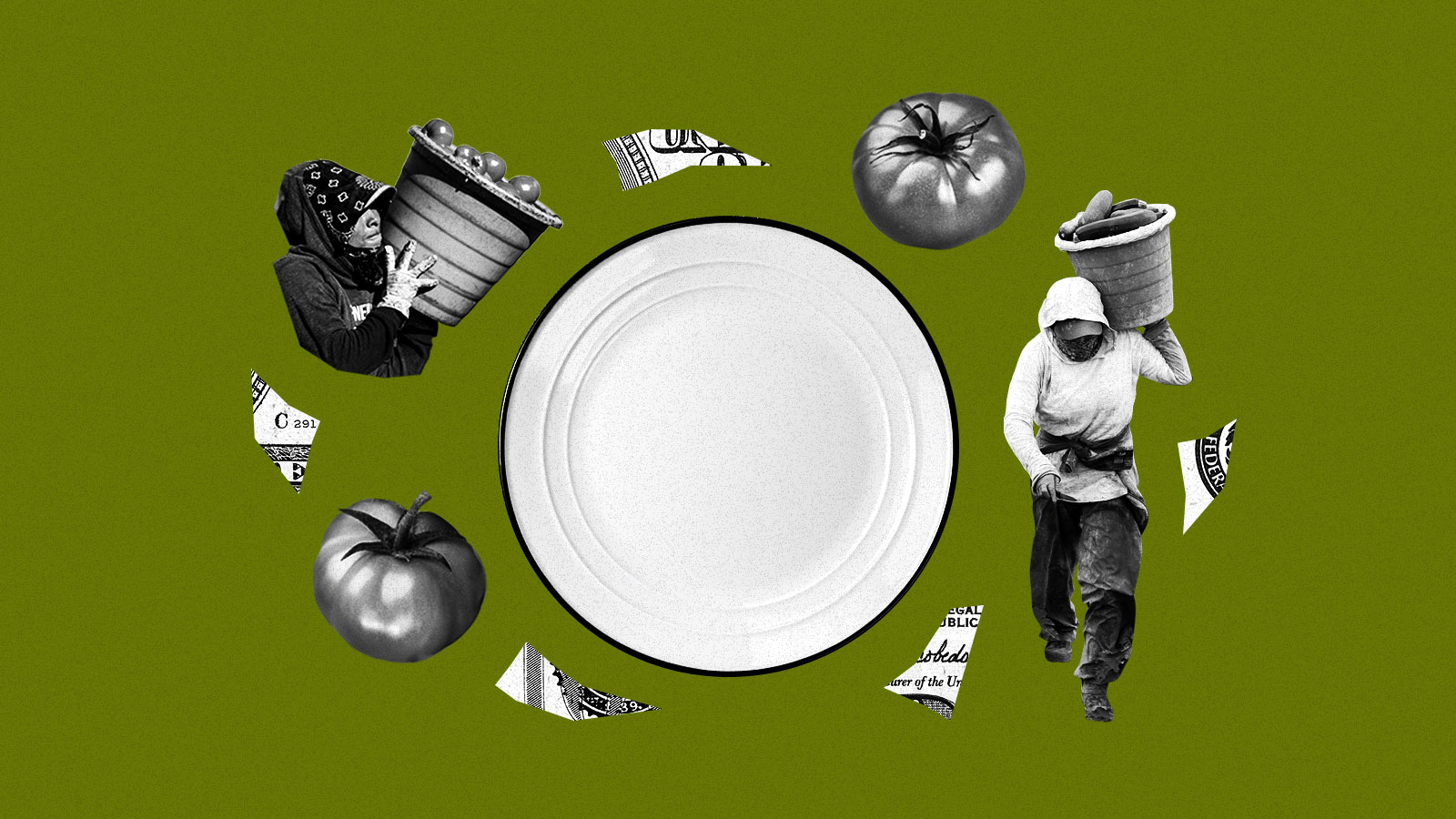
The people who feed America are going hungry
Climate change is escalating a national crisis, leaving farmworkers with empty plates and mounting costs.
Latest Articles
-
![]()
![]()
Deep impact: The toll your protein takes on the Earth
As part of our ongoing protein series, we take a broad look at the environmental impact of some of the most high-protein foods.
-
![]()
![]()
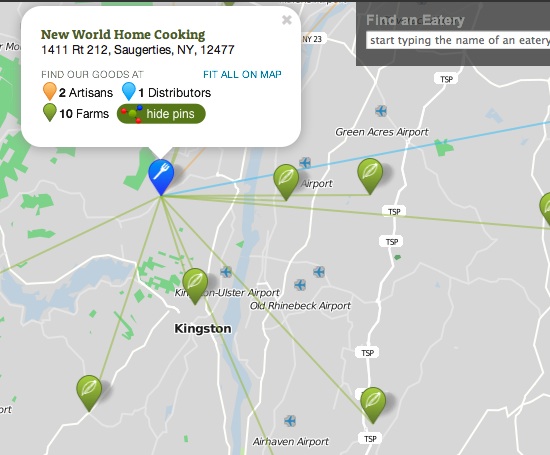
Real Time Farms tells you exactly where your food came from
Real Time Farms is a “crowd-sourced online food guide” that tells you exactly where the meal on your plate came from. As crazy as it sounds, our vision is to collectively document the whole food system.
-
![]()
![]()
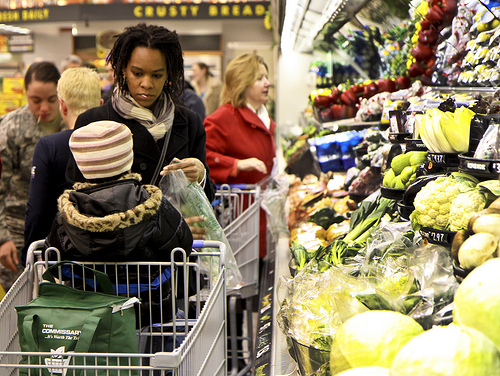
Shopping for kids aisle-by-aisle: Stocking up without breaking down
Think marketing companies don't impact your trips to the grocery store? Think again. These easy tips from The Cleaner Plate Club will help you stay focused on shopping for whole, nutritious foods.
-
![]()
![]()
Bike-a-Bee does beekeeping by bike
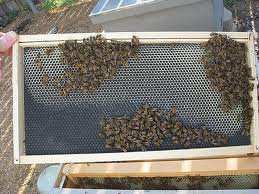
Jana Kinsman’s startup Bike-a-Bee will be a distributed network of beehives in the Chicago area — Kinsman will hook up local urban farms and gardens with bees, which will help pollinate the plants while also producing honey. (Greenspaces that host a beehive get a share of the honey profits.) Meanwhile, Kinsman will care for the […]
-
![]()
![]()
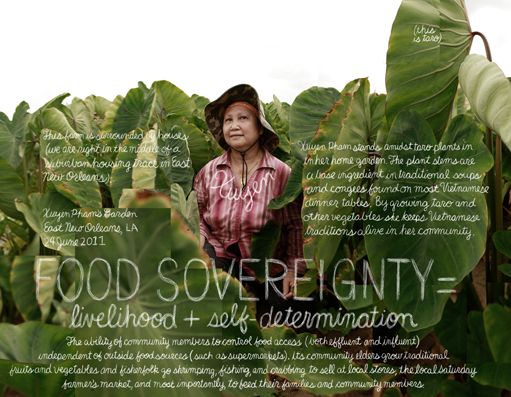
Lexicon of Sustainability: Food sovereignty
After Hurricane Katrina, the only fresh produce within 50 miles of New Orleans came from a tiny Vietnamese refugee community in East New Orleans.
-
![]()
![]()
‘Antibiotic-free’ pork has the same rate of antibiotic-resistant bacteria
We really do try to Pollan it up and do the whole “eat food, not too much, mostly plants” bit. But “mostly plants” obviously means “sometimes bacon.” And maybe the farmers’ market wasn’t open, so we bought that bacon at the store. Oh, but it was good bacon! “Raised without antibiotics” bacon! That’s something, right? […]
-
![]()
![]()
Protein: The soy next door
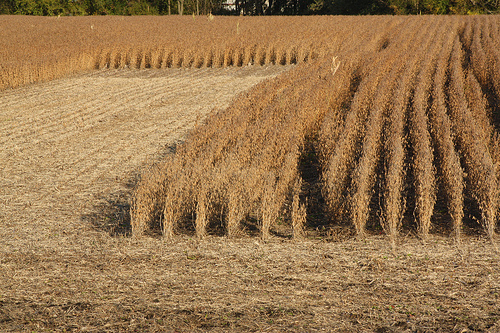
The rise in popularity of soy may be good for our collective carbon footprint, buy not all soy products are the same. Here's what you should know.
-
![almonds in bowl]()
![almonds in bowl]()
Protein: How much do we need?
Most of us tend to concern ourselves with whether we're getting enough protein. What about getting too much in a way that might waste the earth's natural resources? We start out our protein series with a look at how much of this nutrient is necessary.
-
![]()
![]()
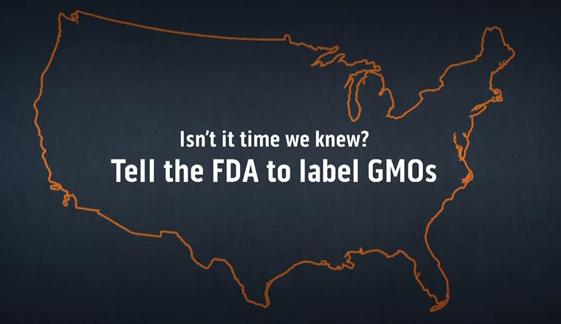
‘Just Label It’: New video from the Food, Inc. guy
Food, Inc. filmmaker Robert Kenner has a new project about labeling of GMO foods. This one's a short video, not a feature film, so it'll only take three minutes of your life to check it out.
-
![]()
![]()
The European Union bans battery cages for hens
In the European Union, hens can no longer be kept in tiny battery cages that pack them so tightly they could not walk or flap their wings. The EU voted to ban the cages in 1999 but gave the poultry industry 12 years to implement the switch-over. As of 2012, the use of battery cages […]