Climate Food and Agriculture
Climate + Food and Agriculture
EDITOR’S NOTE
Grist has acquired the archive and brand assets of The Counter, a decorated nonprofit food and agriculture publication that we long admired, but that sadly ceased publishing in May of 2022.
The Counter had hit on a rich vein to report on, and we’re excited to not only ensure the work of the staffers and contractors of that publication is available for posterity, but to build on it. So we’re relaunching The Counter as a food and agriculture vertical within Grist, continuing their smart and provocative reporting on food systems, specifically where it intersects with climate and environmental issues. We’ve also hired two amazing new reporters to make our plan a reality.
Being back on the food and agriculture beat in a big way is critical to Grist’s mission to lead the conversation, highlight climate solutions, and uncover environmental injustices. What we eat and how it’s produced is one of the easiest entry points into the wider climate conversation. And from this point of view, climate change literally transforms into a kitchen table issue.
Featured
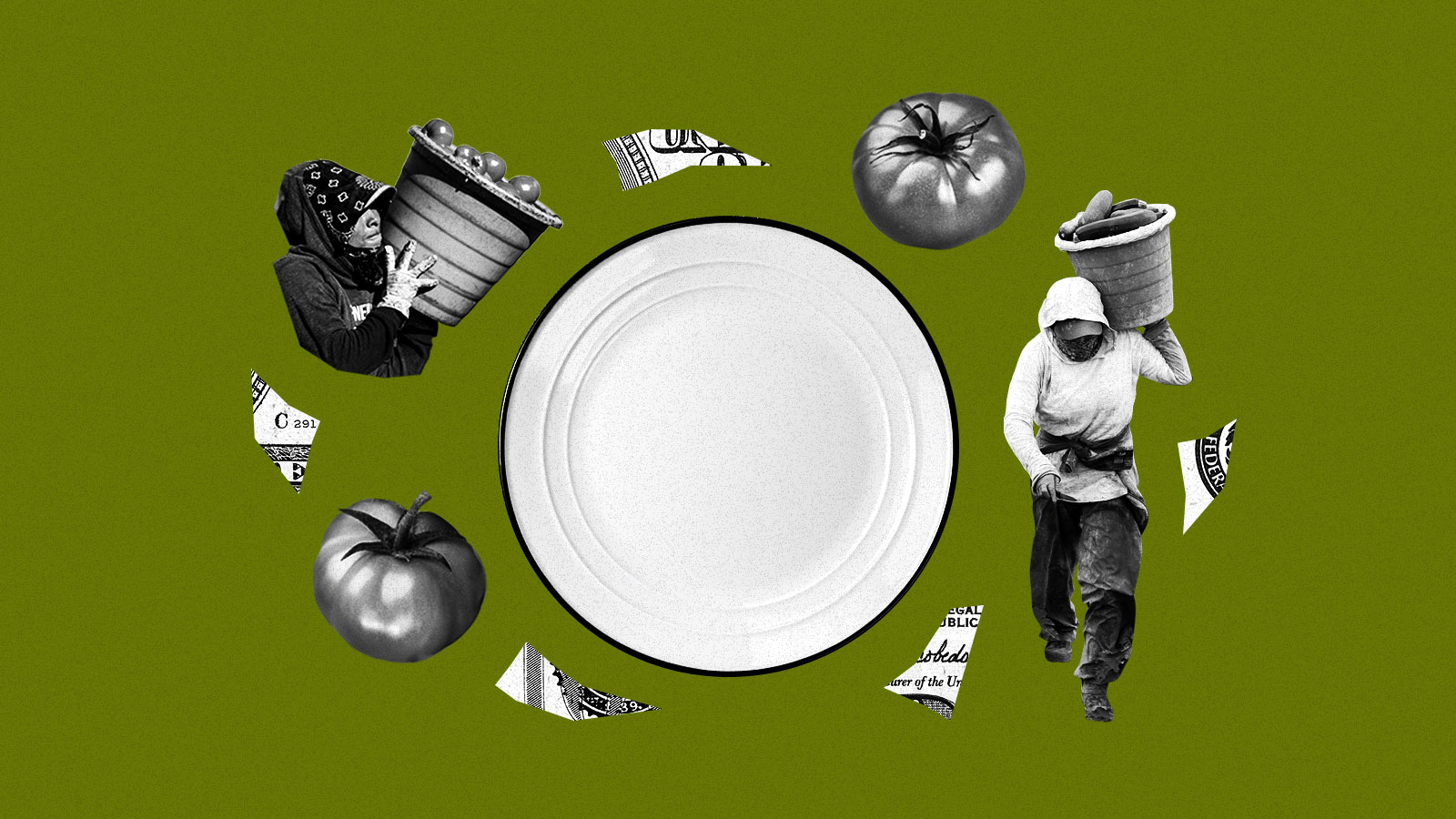
The people who feed America are going hungry
Climate change is escalating a national crisis, leaving farmworkers with empty plates and mounting costs.
Latest Articles
-
![]()
![]()
Teen acres [VIDEO]
Here's a Portland project that enables kids to actually get paid to farm -- further proof that the city is on the cutting edge of farms and food.
-
![]()
![]()
Forget potatoes: Idaho now grows CAFOs
Idaho rolls out the red carpet for industrial egg producers fleeing California's laws against confined animal feeding operations (CAFOs). Will they welcome the environmental disasters that come with them?
-
![]()
![]()
ConAgra sued over 'natural' GMO cooking oils
The class-action lawsuit could have far-ranging implications for the multitude of GMO products creeping onto supermarket shelves while claiming to be "natural."
-
![]()
![]()
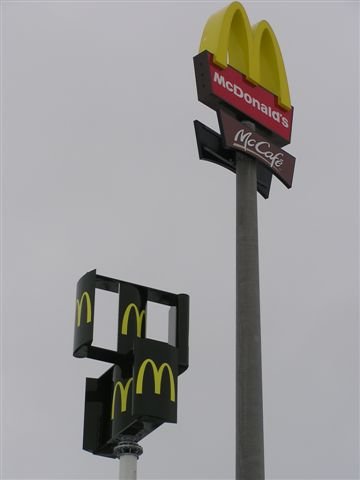
Does this wind turbine make McDonald's ass look green?

If you saw this on top of your local McDonald's, would it make you more likely to pull over for a burger and fries? I have to admit that it would work on me.
-
![]()
![]()
Too many markets or not enough farmers?
Is the growth of farmers markets around the U.S. too much of a good thing? Or do we need to grow more farmers and more infrastructure to meet demand?
-
![]()
![]()
As Obama pushes for rural jobs, his regulators obliterate them
FDA crackdowns on food clubs across the country intimidate producers at a time when our country can least afford to be trashing jobs and opportunity.
-
![]()
![]()
Sorry, NY Times: GMOs still won't save the world
Nina Federoff touts GMOs in The New York Times. But after more than 15 years of commercialized GMOs, we know not to believe the promises any longer.
-
![]()
![]()
Airport beekeeping project is a win-win-win
A new project raises bees on undeveloped land near O'Hare Airport, trains ex-convicts in beekeeping, and sells the resulting honey and beeswax.
-
![]()
![]()
Politics, farmers, and change: The end of rural America
Big Ag-friendly policy has put family farms in crisis, but Obama can reverse the trend if he delivers on campaign promises.
-
![]()
![]()
The good shepherd [VIDEO]
Daniel Klein talks to an Oregon sheep farmer who believes it's a big deal to kill an animal, and that this attitude should inform our meat consumption.