Climate Food and Agriculture
Climate + Food and Agriculture
EDITOR’S NOTE
Grist has acquired the archive and brand assets of The Counter, a decorated nonprofit food and agriculture publication that we long admired, but that sadly ceased publishing in May of 2022.
The Counter had hit on a rich vein to report on, and we’re excited to not only ensure the work of the staffers and contractors of that publication is available for posterity, but to build on it. So we’re relaunching The Counter as a food and agriculture vertical within Grist, continuing their smart and provocative reporting on food systems, specifically where it intersects with climate and environmental issues. We’ve also hired two amazing new reporters to make our plan a reality.
Being back on the food and agriculture beat in a big way is critical to Grist’s mission to lead the conversation, highlight climate solutions, and uncover environmental injustices. What we eat and how it’s produced is one of the easiest entry points into the wider climate conversation. And from this point of view, climate change literally transforms into a kitchen table issue.
Featured
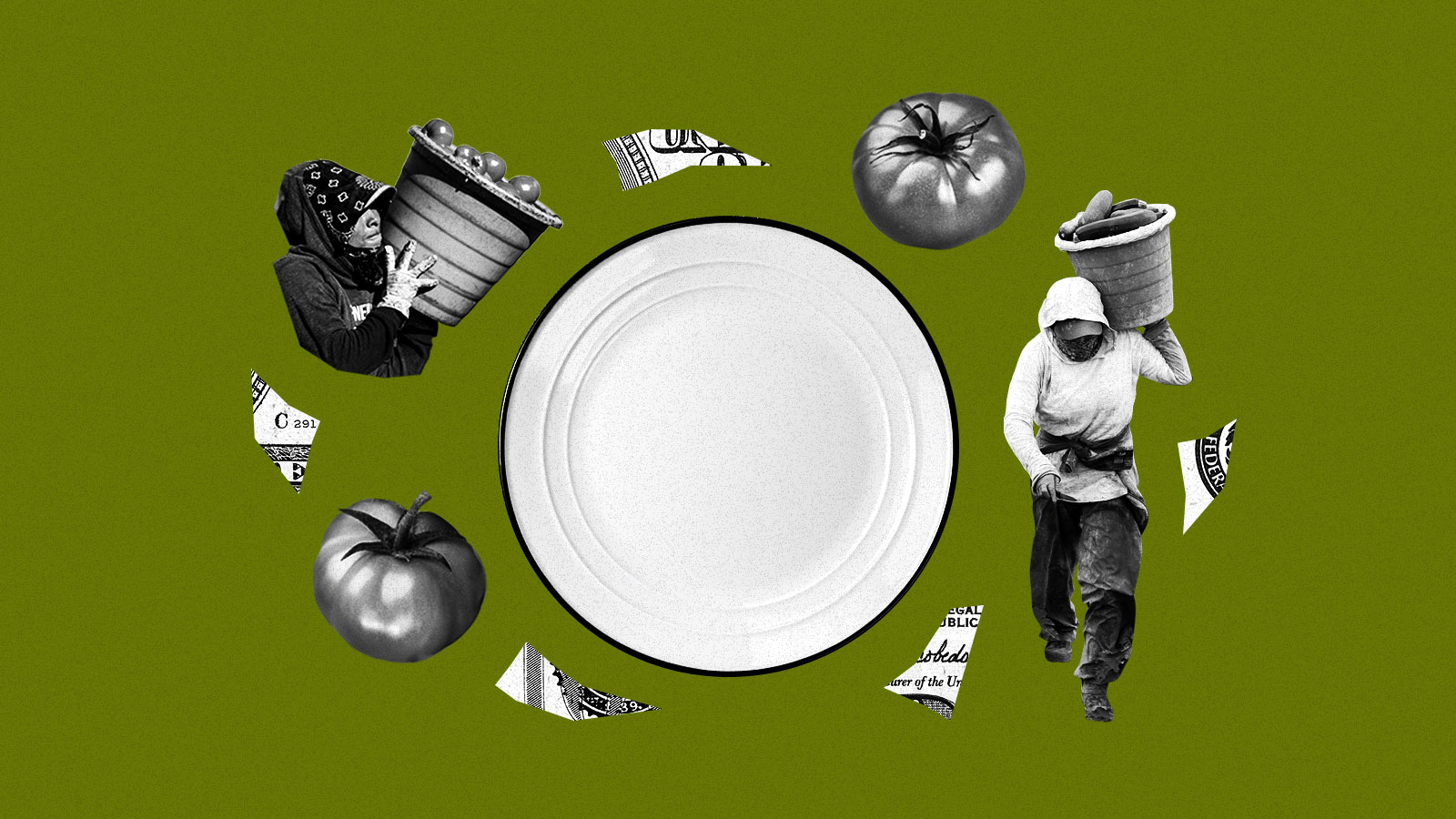
The people who feed America are going hungry
Climate change is escalating a national crisis, leaving farmworkers with empty plates and mounting costs.
Latest Articles
-
Will the Obama administration be the first to seriously regulate genetically modified food?
Will Obama buck the trend and regulate GMOs? On Nov. 11, Austria’s Ministries for Agriculture and Health released the results of a long-term study [PDF] of genetically modified organisms. A widely used strain of GM corn, they found, appears to decrease both birthrates and the size of offspring in mice — and the […]
-
Study: Common pollutant may lead to obesity
Ever heard of tributyltin? Probably not, but odds are you’ve been exposed to it. The chemical is used as a biocide in industrial water systems, breweries (gulp), and in wood preservatives; and as a pesticide on so-called "high-value" food crops (think fruits and vegetables). Its residues are also found in fish and shellfish. And … […]
-
Food should be controlled by farmers, not corporations
Food is an important part of most Holiday celebrations, not just because we need food to live, but food connects us to our culture, our past, and whether we know it or not, our future. Food Is Different: Why the WTO Should Get Out of Agriculture is a great book by Peter Rosset — one […]
-
Pressure rises for a reform-minded USDA pick
The Obama transition team is taking its time mulling candidates to head up USDA. That’s a good thing, considering the generally dismal names that dominate the circulating short-lists. Meanwhile, the temperature is rising around Obama to pick a real reformer, not a business-as-usual politician or outright industry flack. The latest: New York Times op-ed pundit […]
-
Notes from Stone Barns’ ‘Young Farmer Conference’
There’s a social movement cropping up in fields and markets across the country — America’s next generation of farmers are stepping up to the pitchfork. Young, excited and energized, they’re facing many challenges, but also reaping many rewards. To celebrate this burgeoning interest in farming, Stone Barns Center for Food and Agriculture in Tarrytown, New […]
-
Where does your food come from?
I wanted to recommend a story on Emmett Duffy’s Natural Patriot blog about where fast food comes from. This is not a topic I normally post on (or actually know that much about), but I loved this post because it’s a profound message combined with some interesting science.
-
The food price blame game
Tactic No. 1: Create a straw man. Nobody in their right mind can claim that corn ethanol has no impact on corn prices, or that corn prices have no impact on food prices. You can only debate the extent of the corn’s impact. Here’s a conclusion from a study released this year [PDF] that supports […]
-
Perennial rice on the rise?
It was good to read this weekend in the Land Institute’s The Land Report that they’re now working hard to develop perennial rice varieties (in addition to their well-known perennial prairie polyculture experiment, which could transform large parts of the American plains back into a wildscape that produces lots of food). Because agriculture is technically […]
-
Impoverished Africans can’t eat their own crops
From an interesting article by Dave Harcourt in Ecoworldly: The castor [oil], equivalent to 12,000 tons of oil, would actually be grown by 25,000 families [small African farmers] contracted by GEE and would have a value of around US$ 10 million [$400 per year or $1.10 per day per family]. … Ashenafi Chote was one […]
-
‘Second generation’ or not, biofuels contribute to Peak Soil
The Seattle Times has another story peddling the fantasy that there are "second generation biofuels" that magically appear without use of energy, land, or water (not to mention subsidies). The most revealing comment in the piece pushes that idea that biologic systems generate "waste," and that "waste" is a huge resource that’s going unused. Apparently […]
