Climate Food and Agriculture
Climate + Food and Agriculture
EDITOR’S NOTE
Grist has acquired the archive and brand assets of The Counter, a decorated nonprofit food and agriculture publication that we long admired, but that sadly ceased publishing in May of 2022.
The Counter had hit on a rich vein to report on, and we’re excited to not only ensure the work of the staffers and contractors of that publication is available for posterity, but to build on it. So we’re relaunching The Counter as a food and agriculture vertical within Grist, continuing their smart and provocative reporting on food systems, specifically where it intersects with climate and environmental issues. We’ve also hired two amazing new reporters to make our plan a reality.
Being back on the food and agriculture beat in a big way is critical to Grist’s mission to lead the conversation, highlight climate solutions, and uncover environmental injustices. What we eat and how it’s produced is one of the easiest entry points into the wider climate conversation. And from this point of view, climate change literally transforms into a kitchen table issue.
Featured
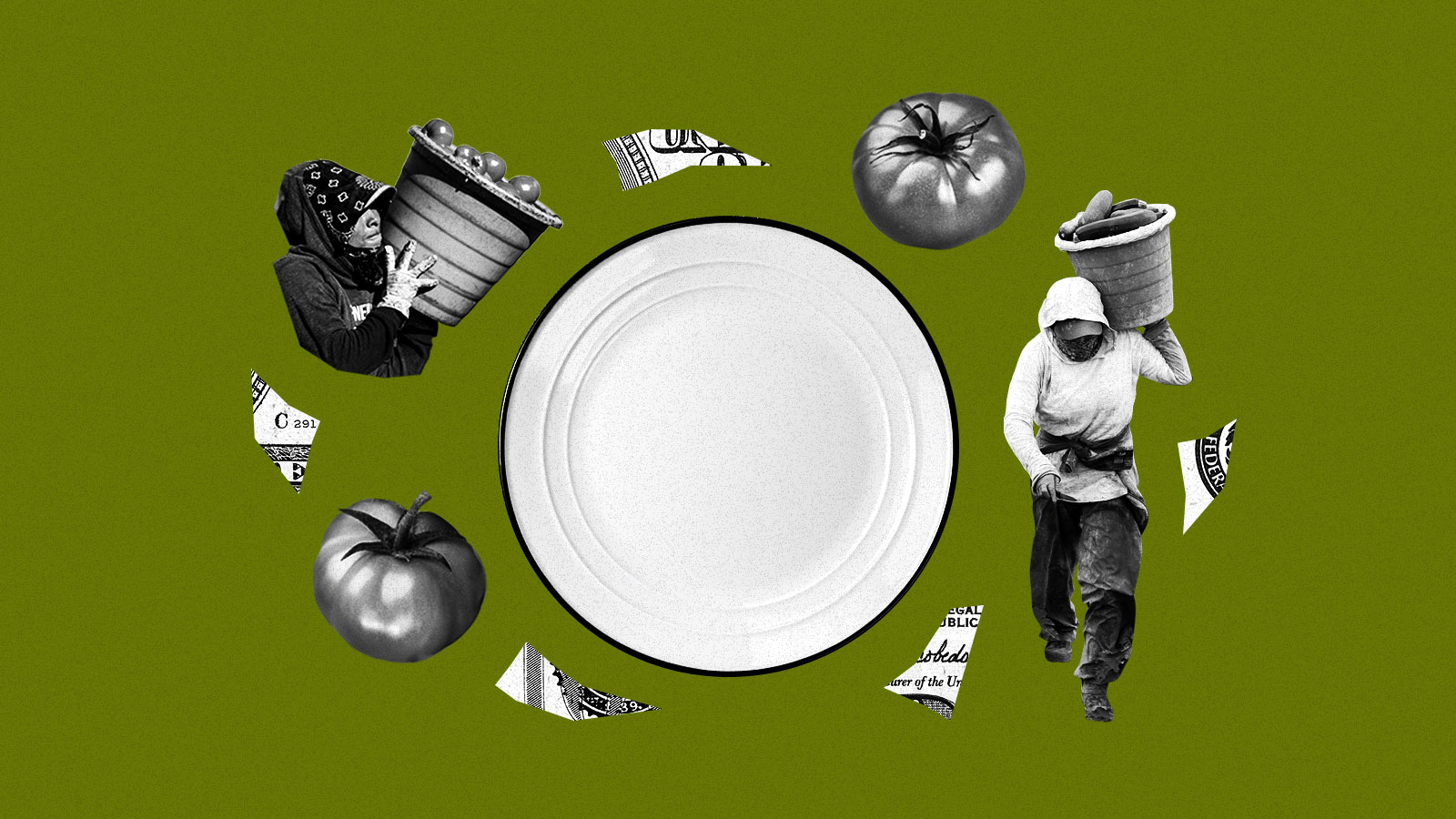
The people who feed America are going hungry
Climate change is escalating a national crisis, leaving farmworkers with empty plates and mounting costs.
Latest Articles
-
South America’s industrial-ag powerhouse eyes rainforest potash deposits
I’ve been writing for a while about industrial agriculture’s fertilizer problem — about how mass-scale food (and biofuel) production relies on finite, geopolitically problematic, and environmentally destructive resources to maintain soil fertility. (See posts here, here, and here.) Well, that story is heating up down in Brazil, an increasingly important hub in the global industrial […]
-
Much depends on finding a new generation to put dinner on the table
Every time I come in from my farm fields and tune into the news these days, the headline is about food: food prices, food scares, food shortages, food riots. Food has America's attention these days, but folks are overlooking a critical piece of the brewing crisis: a national shortage of farmers.
We farmers make up a mere 1.6 percent of the U.S. population right now. Picture an inverted pyramid balanced precariously on its nose: that's our national food supply, with about 3 million of us feeding three hundred million of you. In food terms, our nation resembles an elephant perched on a pair of stiletto heels.
-
USDA considers first-ever organic standards for farmed fish
You may have seen "organic salmon" on the menu in your favorite seafood restaurant or counter. Guess what? It's not organic, according to the USDA. It turns out that some fishmongers have been promoting their fish as organic with definitions of their own.
This week, a USDA advisory panel will consider a key element of the country's first-ever standards for "organic" farmed fish, including salmon. The surprising news is that this standard -- if adopted -- could be a boon for both seafood consumers and conservation.
-
-
An alternative to global industrial agriculture
At the conclusion to an article on the global food crisis, Walden Bello discusses an idea put forward by an international farmer's group, Via Campesina:
-
‘Science’: nitrogen as important as carbon in climate change
Speaking of the troubles associated with industrial agriculture and its fertilizer regime, check this out: The public does not yet know much about nitrogen, but in many ways it is as big an issue as carbon, and due to the interactions of nitrogen and carbon, makes the challenge of providing food and energy to the […]
-
I loathe the farm bill but can’t bring myself to accept the Bush administration’s party line
People keep asking me what I think about the new farm bill — the one that will soon likely become law, since both houses of Congress passed it with majorities that would withstand Bush’s threatened veto. I hate it; it fails utterly to make the investments we need to rebuild local and regional food systems […]
-
![]()
![]()
Why that organic label on your milk doesn’t tell the whole story
Tastes great, but who’s paying the health-care bills? As a writer, one of my goals is to demystify farming for non-farmers — to remind people that their food comes from somewhere, grown by someone, often drawing down finite resources. Less than 2 percent of Americans farm, yet all of us eat. Whether you’re scarfing a […]
-
One big corpration dominates the soon-to-be-prized potash market
Industrial agriculture currently stands as humanity’s big plan for "feeding the world" as global population moves toward 10 billion and the earth warms. Increasingly, as oil supplies tighten and prices rise, we’re looking to industrial ag to fill our gas tanks, too. Unhappily, this relatively new form of farming relies utterly on three elements — […]
-
Chicago overturns 2-year old ordinance banning foie gras
In The New York Times Dining section yesterday, I read this:
Chicagoans can feast on foie gras once more. The Chicago City Council just repealed the ban on its sale that it put in place two years ago.
Now I know that many of my vegan friends will go ballistic on me when I say that this is a good thing, but this is a good thing. The animal rights groups who supported this measure did so because they saw it as a layup -- an easy target. Who would oppose a ban on something only rich, snobby, hoity-toity gourmands consume?
Besides the measure being silly government intervention, it reminded me of the folks who say they won't eat veal because they heard it was cruel ... as they pull up to the KFC drive thru.
Banning foie gras saves a few ducks and geese. Wanna make a difference? Ban CAFOs. You needn't stop eating meat (unless of course you want to, that's entirely up to you), just stop eating feedlot meat. Get your beef, pork, and chicken from the farmer down the road, from the farmers market, from a CSA. Trust the source, and you'll trust the food.