Climate Food and Agriculture
Climate + Food and Agriculture
EDITOR’S NOTE
Grist has acquired the archive and brand assets of The Counter, a decorated nonprofit food and agriculture publication that we long admired, but that sadly ceased publishing in May of 2022.
The Counter had hit on a rich vein to report on, and we’re excited to not only ensure the work of the staffers and contractors of that publication is available for posterity, but to build on it. So we’re relaunching The Counter as a food and agriculture vertical within Grist, continuing their smart and provocative reporting on food systems, specifically where it intersects with climate and environmental issues. We’ve also hired two amazing new reporters to make our plan a reality.
Being back on the food and agriculture beat in a big way is critical to Grist’s mission to lead the conversation, highlight climate solutions, and uncover environmental injustices. What we eat and how it’s produced is one of the easiest entry points into the wider climate conversation. And from this point of view, climate change literally transforms into a kitchen table issue.
Featured
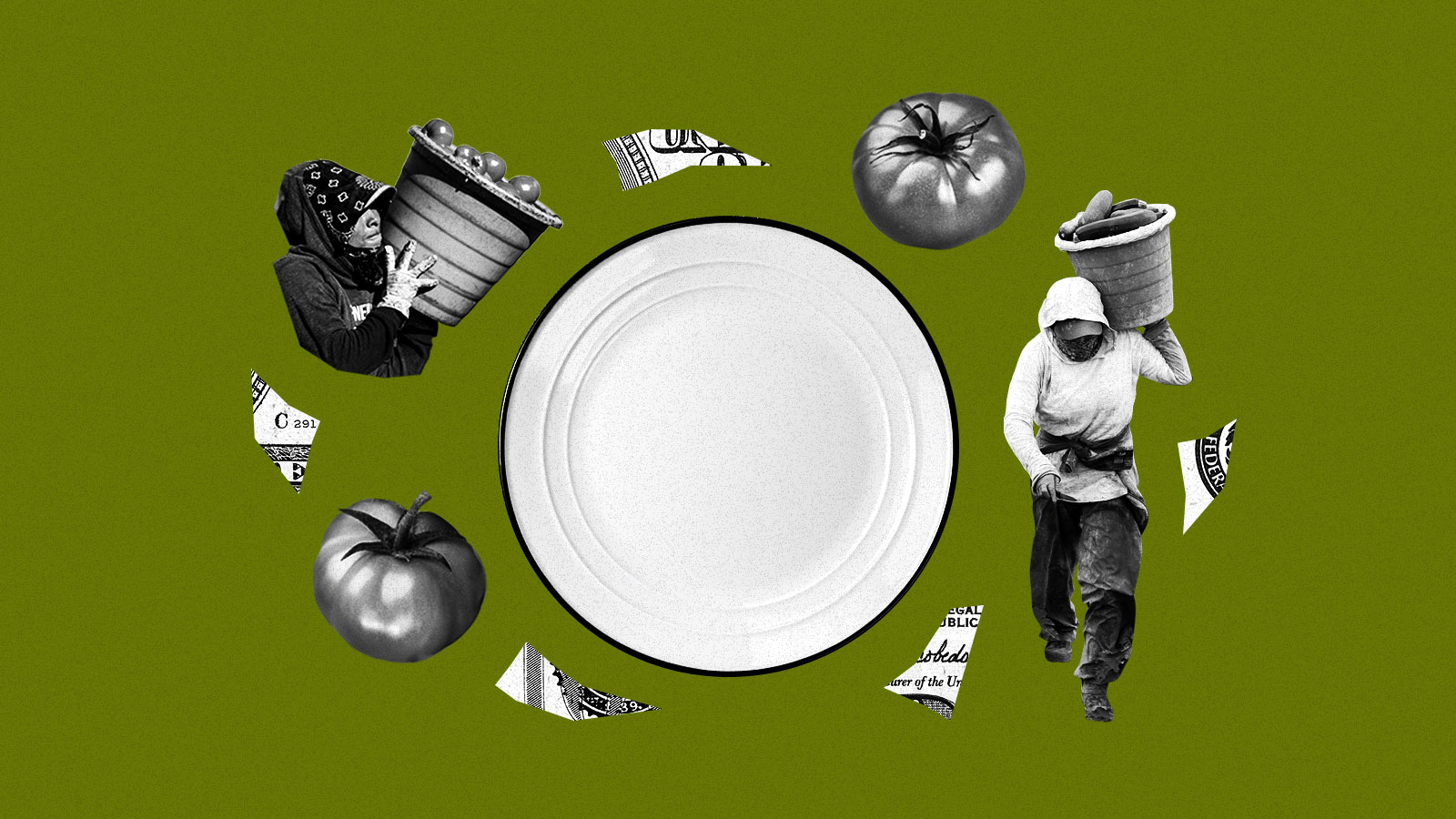
The people who feed America are going hungry
Climate change is escalating a national crisis, leaving farmworkers with empty plates and mounting costs.
Latest Articles
-
![]()
![]()
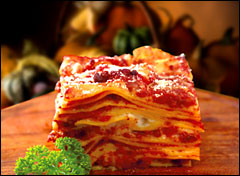
A recipe for no-boil pumpkin lasagna
For most of my adult life I’ve been anti-lasagna. It’s not that I refuse to eat it. Quite the reverse! I love to eat lasagna. I just refused to make it. The idea of boiling giant, unwieldy sheets of pasta always got on my nerves. It didn’t seem worth it, no matter how delicious the […]
-
McSweeney’s satirizes the quest for eco-eats
“Understanding food labels you might encounter at Whole Foods”: Natural: Pretty much everything is natural, including this sentence. What makes it natural? The fact that it has the word “natural.” Conventional: Conventional says, “I love the system,” and we’re not even sure why you’re shopping here. You don’t want paper or plastic — you have […]
-
Another study shows organic ag outpacing conventional
Apologists for industrial food production often level what they see as a devastating charge against organic agriculture: that it could never "feed the world." The claim goes like this: industrial ag produces higher yields, and as global population grows, we’re going to have to squeeze as much food as possible out of the earth, by […]
-
Pennsylvania bans hormone- and antibiotic-free labels on dairy products
Pennsylvania agriculture officials have banned the use of hormone- and antibiotic-free labels on dairy products sold in the state, upsetting food-safety advocates and handing the chemically enhanced dairy industry a significant victory. The ruling takes effect Jan. 1 and would affect at least 19 companies that label their milk or other dairy products as having […]
-
My search for organic amber spirits turned up only Scotch
On Grist, we’ve written about organic beer, organic wine, and organic vodka. But what about those of us whose heritage has left them with a deep and abiding love of the amber spirits? Are there eco versions of Irish, scotch, and bourbon whiskey available to us green-minded drunkards? I decided to investigate a bit, and […]
-
Why gutting subsidies shouldn’t be the focus of Farm Bill reform efforts
A lot of people, myself among them, have spent substantial time this year trying to demystify the 2007 Farm Bill. But as it lurches into its stretch run — with passage possible by year-end — I fear that the bill is more shrouded in mystery than ever, even among sustainable-agriculture advocates. The answer ain’t blowin’ […]
-
Fiji Water announces plan to become carbon negative
A bold new plan to bypass carbon neutrality and become carbon negative has been announced by, of all things, a bottled-water company. Fiji Water has announced specific goals to pursue renewable energy, forest preservation, and water conservation, and will buy carbon offsets to cover 120 percent of its greenhouse-gas emissions. Which is good and all, […]
-
More evidence that industrial ag is destroying the planet
From an ecological standpoint, the fundamental problem with U.S. farm policy dating back to the ’70s is that it rewards farmers for maximizing yield at all cost. Encouraged to produce as much as possible, all the time, farmers have few incentives to conserve resources or protect water, air, or soil quality. The federal government’s dizzying […]
-
Organic food is better for you
For years, studies showed no nutritional difference between organic and conventionally grown food. That’s because scientists were looking at macronutrients — vitamins A, B, C, and so on. But they’ve since learned that macronutrients are only part of the nutrition story. It turns out that there are all sorts of compounds like antioxidants and phytonutrients […]
-
Extreme weather wipes out pumpkin crop
 Global warming threatens our 4th of July celebrations with droughts that have forced communities to scrap plans for fireworks displays. And it threatens our White Christmases with winter heat waves. And our Arbor Days with record wildfires. Now it imperils our Halloweens.
In a story headlined, "Rain, Drought, Wipe Out Pumpkin Crops Across U.S.," Fox News reports the frightening news:
Scorching weather and lack of rain this summer wiped out some pumpkin crops from western New York to Illinois, leaving fields dotted with undersized fruit. Other fields got too much rain and their crops rotted.
Pumpkin production is predicted to be down for the second straight year.One expert ominously predicts a run on pumpkins: "If you've got to have them for your 5-year-olds, I certainly would not wait a long time to get them."
Even Stephen Colbert has reported on what he calls the War on Halloween (though, characteristic of his out-of-the-mainstream politics, he doesn't make the obvious link to global warming).
The bottom line, however, is clear: Pumpkins (like most people) hate extreme weather. Sadly, global warming means more droughts and more deluges.
What exactly does extreme weather do to pumpkins?