Climate Food and Agriculture

Climate + Food and Agriculture
EDITOR’S NOTE
Grist has acquired the archive and brand assets of The Counter, a decorated nonprofit food and agriculture publication that we long admired, but that sadly ceased publishing in May of 2022.
The Counter had hit on a rich vein to report on, and we’re excited to not only ensure the work of the staffers and contractors of that publication is available for posterity, but to build on it. So we’re relaunching The Counter as a food and agriculture vertical within Grist, continuing their smart and provocative reporting on food systems, specifically where it intersects with climate and environmental issues. We’ve also hired two amazing new reporters to make our plan a reality.
Being back on the food and agriculture beat in a big way is critical to Grist’s mission to lead the conversation, highlight climate solutions, and uncover environmental injustices. What we eat and how it’s produced is one of the easiest entry points into the wider climate conversation. And from this point of view, climate change literally transforms into a kitchen table issue.
Featured
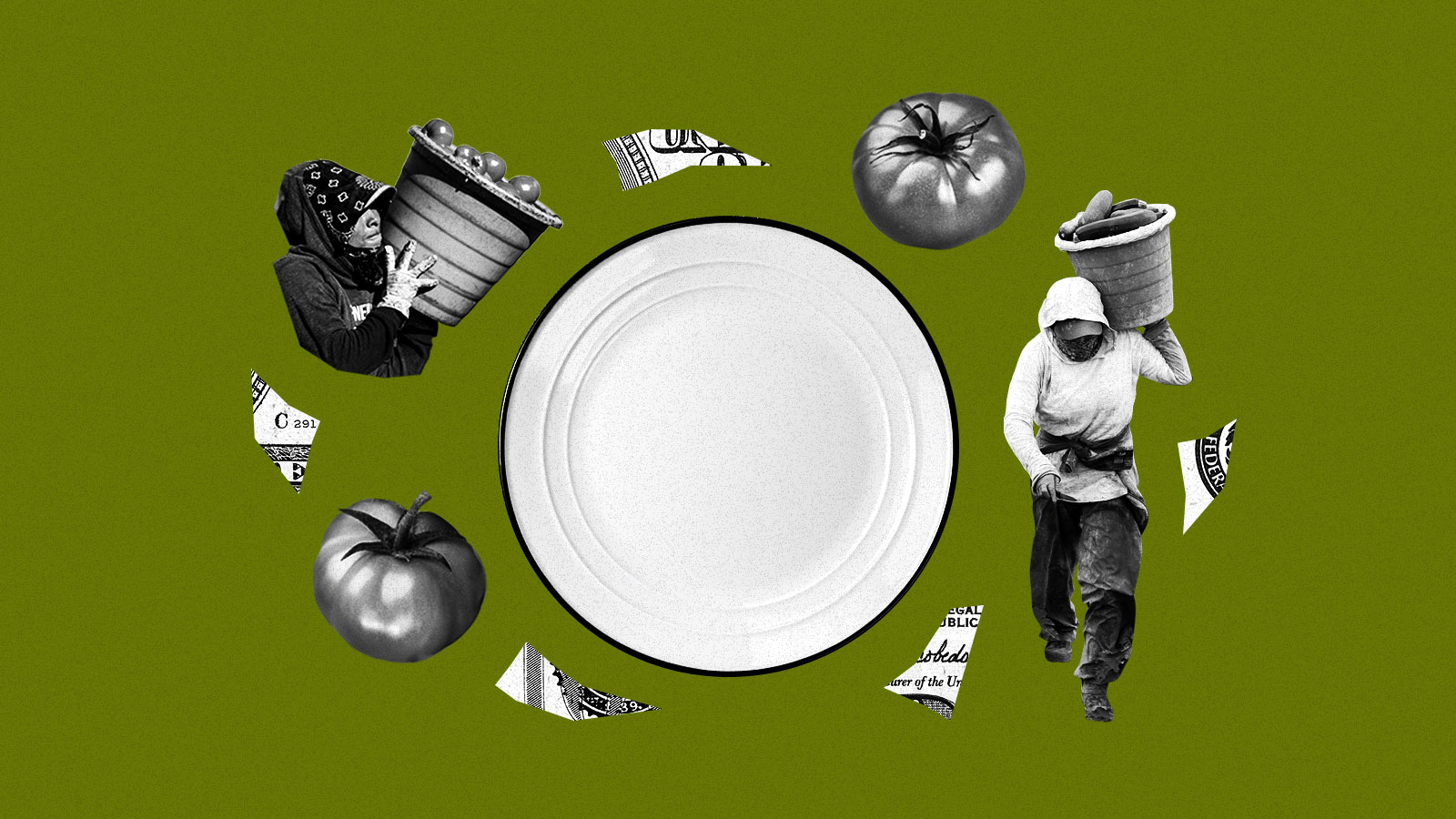
The people who feed America are going hungry
Climate change is escalating a national crisis, leaving farmworkers with empty plates and mounting costs.
Latest Articles
-
E. Coli news is bad news, any way you cut it
Grim headlines for organics, as the feds are linking Natural Selection Foods (Earthbound Farm) and its prepackaged fresh organic spinach to an outbreak of E. coli in many states.
If the linkage is confirmed, I bet we'll be hearing a lot from organics skeptics (including chief skeptic Dennis Avery), who'll do their darnedest to say that organic food on the whole is a scary thing (inputs like cow manure may contain contaminants and dirt is, you know, dirty!). And we'll probably be hearing too from smaller farmers, local-is-best-ers, and back-to-the-landers, who'll say, see!: organics doesn't work well on an industrial, Earthbound-size level. And what's up with packaged spinach in the first place?
Stay tuned.
-
San Joaquin Phoenix
Dead San Joaquin River will be revived More than 60 miles of California’s dead, sandy San Joaquin River may yet run with water and salmon again, as enviros and farmers have settled an 18-year legal battle over the river’s fate. Based on a new 20-year, $250-to-$800 million restoration plan, agricultural water diversion from the river […]
-
The activists among us should remember that there’s plenty to do together

I hope everyone's been following the discussion on animal rights and environmentalism. I continue to be impressed with the decency and thoughtfulness of the community that's gathered here.
Frogfish said most of what needed to be said. The unit of analysis for conservationism is population; for animal rights it is the individual. If you ask me, animal rights is morally bankrupt in the absence of environmentalism -- not the other way around.
But we should all remember: parsing the logical and ethical differences is a matter for thinkers. For doers, for activists, the job is to get things done. That means rallying people around the things they agree on, not emphasizing those that divide them.
-
A brazen move from an agency shot through with industry players.

Cows that feed solely on pasture perform a valuable service: they transform what's inedible to us -- grass -- into a rich source of protein and other nutrients. And when such cows are raised in moderate numbers, they can actually improve the health and biodiversity of grasslands. Moreover, cows evolved to eat grass, so the pasture model is clearly the most animal-friendly way to create beef.
To me, the grass-fed concept exemplifies responsible agrarianism: it's energy efficient (it relies on no vast, petroleum-guzzling corn fields), it enhances rather than degrades the ecosystems it relies on, and it forces us to eat mindfully and in season.
If we insisted on raising all of our beef on ample pasture, every American would be able to savor the privilege of eating beef only, say, every couple of weeks -- and less during the grazing season, when cows are fattening up.
Which sounds about right to me.
Leave it to the USDA -- that hothouse of food-industry flackery -- to attempt to screw it all up.
-
It’s time to get serious about reforming school lunches
Playground bullies aren’t the only ones shaking down kids for their milk money. Despite lots of recent fuss about the poor quality of school-cafeteria fare — and mounting evidence of widespread diet-related maladies among kids — corporate interests are still lining up for their cut of the cash the federal government and families spend on […]
-
Check out the trailer for the biggest food politics movie, well, ever
Eric Schlosser is serious about raising maximum hell with the fast-food industry. He's got a new book aimed at deprogramming kids from their burger, fries, and a Coke fetish (reviewed here).
And now he's somehow managed to get a big-studio fictional movie made based on his classic book Fast Food Nation. Check out the trailer:
-
Could small farms provide fresh food year-round, even in northern climes?
Is the sustainable-agriculture movement essentially Luddite? It’s a common charge — and a fair enough question. The Nobel Laureate Norman Borlaug, perhaps industrial agriculture’s greatest living apologist, deplores at every opportunity the organic movement’s supposedly technophobic ways. Addressing a graduating class a few years ago at Texas A&M — that factory for future big-ag farmers […]
-
Like Blight on Rice
U.S. commercial rice crop contaminated with GM strain The U.S. government admitted last week that its commercial supply of long-grain rice has been contaminated by an illegal, untested, genetically modified strain with the warm-and-fuzzy name of LLRICE 601. The European Union, the biggest importer of U.S. long-grain rice, may decide to delay or ban imports; […]
-
Do the Hempty Hemp
Hemp farming could be legalized in California Farmers could legally grow industrial hemp under a bill approved by the state Senate of, obviously, California. But isn’t hemp, like, totally marijuana? Didn’t Nancy Reagan warn us about this? No, no, says (Republican!) state Sen. Tom McClintock, in the best analogy we’ve ever heard: Hemp “bears no […]
-
I’d like to buy the world a Coke … er, maybe not
The Times reports:
INDIA'S highest court yesterday demanded that Coca-Cola should reveal its secret formula for the first time in 120 years.
Why?
