Being open for Thanksgiving has long been a goal for major ski resorts, including Sugarbush in Vermont. It had planned to have its lifts running and its slopes swarming by now. But with highs approaching 60 degrees Fahrenheit for much of the past week, that hasn’t happened.
”It’s been a really warm November,” said John Bleh, director of communications at Sugarbush. “New snowmaking technology has helped a ton, but it’s not the ultimate cure-all.”
The popular destination is one of a slew throughout the East, from Sugarloaf in Maine to Snowshoe Mountain in West Virginia, that have had to delay opening due to unseasonably balmy conditions.
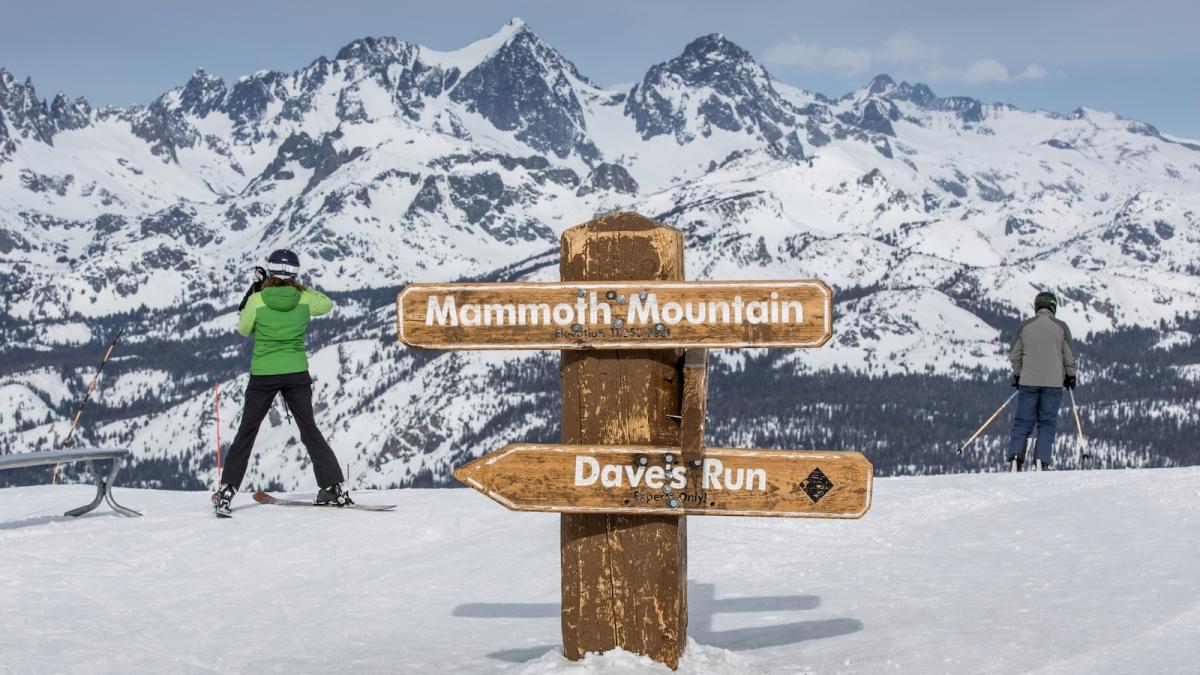
On the other side of the country, skiers in California are gloating. Resorts in the Lake Tahoe area received more than 4 feet of snow after a recent series of storms. The bounty was so generous that the Sierra Avalanche Center was warning of a “considerable” risk of slides and Kirkwood Mountain Resort opened nearly two weeks ahead of schedule. “It’s always exciting to get the season underway, but being able to open this early is a huge win,” Ricky Newberry, the resort’s general manager, said in a statement.
It’s a bit more complicated in the Rockies. Some resorts in Utah and Colorado got off to a slow start before recent storms brought snow, but Wolf Creek in the southern end of the state has opened all of its terrain.
These wildly different starts to the ski season are a clear sign that the “super” or “Godzilla” El Niño, the strongest on record, is already shaping what could be a weird winter on the slopes.
El Niño occurs every three to five years when a band of unusually warm water forms off the coast of South America, altering weather patterns worldwide. The effects will vary widely: California is expected to be wetter than normal, the Northwest drier, and the Northeast wetter and warmer.
With El Niño’s impacts sticking around through March, the contrasts playing out at resorts right now may become more pronounced as winter settles in, said meteorologist Chris Tomer, who specializes in mountain and snow forecasting. “All roads run through the Sierra,” noted Tomer, referring to the Sierra Nevada mountain range. He expects the region’s resorts to receive 100 to 200 inches more snow than usual over the season. The Northeast will see its share of storms, but with temperatures expected to run warmer than normal, the question is whether that precipitation will fall as snow or rain.
“It’s a little off-putting at times,” said Bryan Rivard, who handles media relations at the trade group Ski Vermont. Still, he’s trying to remain optimistic. “If the weather comes, it could bring some pretty big stuff.”
In some ways, this year may be a repeat of 2015 and 2016, another “super” El Nino season that blessed the West and stressed the East. But as climate change accelerates warming patterns in general, the guarantee of skiable snow is increasingly difficult to come by even in normal years. That’s one reason that resorts have been investing millions of dollars in advanced snowmaking equipment.
“It’s enabling us to make snow in much tighter windows,” said Rivard. Modern snow guns and systems allow crews to work even when the temperatures dip for only a matter of hours. Bleh agrees that this has changed the dynamic considerably, but cautions against overreliance on the technology. “Every year we are making snowmaking upgrades,” he said. “But we need the temperatures to be able to do anything, and a long enough window to make it worth it.”
Those temperatures are set to arrive at Sugarbush this week, and the resort hopes to open by Thanksgiving or the day after. By then, some places in California will have seen nearly two weeks of skiing, an early glimpse of a winter that promises plenty of snow — just not where or when skiers might want it.